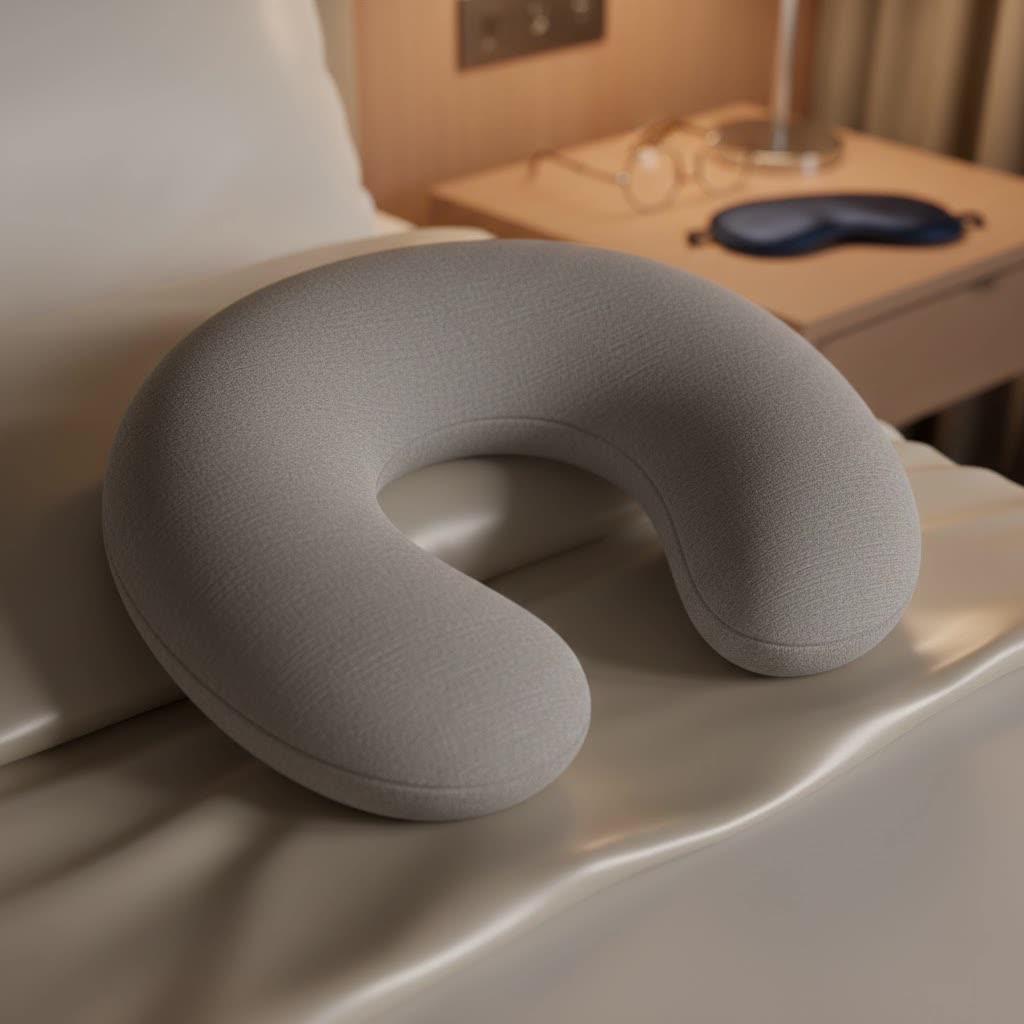
Waking up with a stiff neck or struggling to find comfort during travel can transform everyday experiences into unnecessary aches. A quality Neck Pillow, often overlooked, can be a game-changer, providing essential support and transforming your sleep and travel experiences. This guide, drawing on over a decade of expertise, will navigate you through the world of neck pillows, helping you discover the perfect solution for your unique needs.
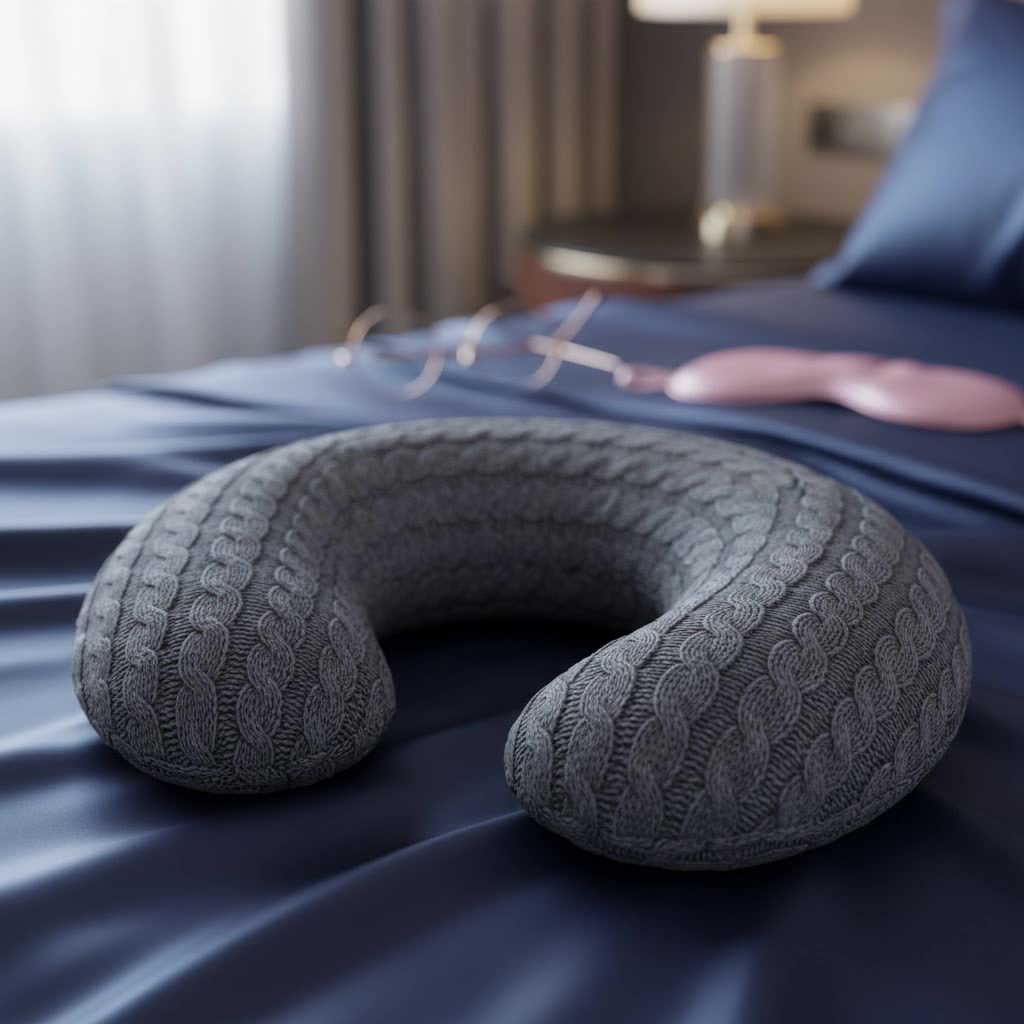
What is a Neck Pillow?
A neck pillow, sometimes referred to as a cervical pillow, is specifically designed to support the natural curvature of your cervical spine—the section of your backbone that makes up your neck. Unlike standard pillows that primarily support the head, neck pillows are contoured to cradle your neck and align it with the rest of your spine. This crucial support minimizes strain and helps maintain proper posture, whether you’re sleeping, working, or on the go. These pillows come in various forms, each offering distinct advantages for different users and situations.
Why You Need a Neck Pillow
The benefits of incorporating a neck pillow into your daily life extend far beyond simple comfort. For many, it’s a vital tool for preventing pain and improving overall well-being.
One of the primary advantages is the alleviation of neck and shoulder pain. By ensuring proper spinal alignment, neck pillows reduce pressure on cervical joints and relax tense muscles, often leading to a significant decrease in morning stiffness and discomfort. Some specialized therapeutic pillows can even offer relief from inflammation or nerve irritation. They can also help increase blood flow and relax muscles, reducing strains and sprains.
Beyond pain relief, neck pillows are instrumental in improving sleep quality. When your neck is correctly supported, your body can achieve a deeper, more restful sleep cycle, reducing tossing and turning. This proper alignment can even contribute to reducing snoring by keeping airways open.
Neck pillows are particularly beneficial for several groups:
- Office Workers: Those who spend long hours at a desk can use a neck pillow to maintain good posture and prevent “tech neck.”
- Travelers: During long journeys by plane, train, or car, a travel neck pillow prevents your head from drooping into awkward positions, averting strain and discomfort.
- Individuals with Spinal Issues: People suffering from chronic neck problems, arthritis, herniated discs, or recovering from neck injuries often find substantial relief and support from cervical pillows.
Popular Types of Neck Pillows
The market offers a diverse range of neck pillows, each catering to specific preferences and uses. Understanding the common types can help you narrow down your choices.
U-Shaped Neck Pillows
These are perhaps the most recognizable, shaped like a horseshoe to wrap around the neck.
- Advantages: Excellent for upright support, especially when traveling or sitting in a recliner. They prevent your head from tilting to the side. Many are compact and portable.
- Disadvantages: May not provide adequate chin support, allowing the head to fall forward for some users.
- Best For: Frequent travelers, people napping in seated positions, or those who need lateral head support.
|
Our Picks for the Best Neck Pillow in 2026
We may earn a commission when you use one of our links to make a purchase.
|
||
| Num | Product | Action |
|---|---|---|
| 1 | Ultra Pain Relief Cooling Pillow for Neck Support, Adjustable Cervical Pillow Cozy Sleeping, Odorless Ergonomic Contour Memory Foam Pillows, Orthopedic Bed Pillow for Side Back Stomach Sleeper |

|
| 2 | Cervical Memory Foam Pillow – Ergonomic Neck Support for Side, Back & Stomach Sleepers - Odorless Beauty Sleep Pillow for Deep Rest (Light Grey, King Size 24.8" Lx16.9 Wx5.9 H) |
|
| 3 | SAIREIDER Travel Pillow 100% Pure Memory Foam Travel Neck Pillow with Storage Bag, Airplane Pillow for Traveling、Car、Home、Office,Washable Cover(Black) |
|
| 4 | Ultra Pain Relief Cooling Pillow for Neck Support, Adjustable Cervical Pillow Cozy Sleeping, Odorless Ergonomic Contour Memory Foam Pillows, Orthopedic Bed Pillow for Side Back Stomach Sleeper |
|
| 5 | SAIREIDER Neck Pillows for Travel-Head Neck Support Travel Pillow for Traveling, Car, Home, Office Adjustable(Navy Blue) |
|
| 6 | SAIREIDER Travel Neck Pillow 100% Pure Memory Foam Airplane Pillow for Head Support,Soft Adjustable Pillow for Plane, Car & Home Recliner (Pink) |
|
| 7 | SAIREIDER Travel Pillow 100% Pure Memory Foam Travel Neck Pillow, Airplane Pillow for Traveling、Car、Home、Office,Washable Cover(Black) |
|
| 8 | Ultra Pain Relief Cooling Pillow for Neck Support, Adjustable Cervical Pillow Cozy Sleeping, Odorless Ergonomic Contour Memory Foam Pillows, Orthopedic Bed Pillow for Side Back Stomach Sleeper |
|
| 9 | SAIREIDER Travel Pillows for Sleeping Airplane 100% Pure Memory Foam Neck Pillow for Airplanes Washable Cover(Grey) |
|
| 10 | SAIREIDER Travel Pillows for Sleeping Airplane 100% Pure Memory Foam Neck Pillow for Airplanes Washable Cover with Storage Bag (Grey) |
|
Cylindrical (Neck Roll) Pillows
Often referred to as bolster pillows, these are tubular in shape.
- Advantages: Provide targeted support for the natural curve of the neck, often used in conjunction with a flatter pillow for head support. Some are designed for therapeutic purposes or for lumbar support.
- Disadvantages: Less comprehensive head support than U-shaped or contoured options.
- Best For: Back sleepers needing specific cervical curve support, or for use as a supportive prop while reading or reclining.
Contour (Cervical) Pillows
These pillows feature a distinctive wavy design with a raised area under the neck and a dip for the head.
- Advantages: Designed to maintain the natural cervical curve and spinal alignment during sleep, significantly reducing neck pain and stiffness. They distribute weight evenly.
- Disadvantages: Can take some getting used to due to their specific shape; may not suit all sleeping positions.
- Best For: Back and side sleepers suffering from chronic neck pain, those recovering from neck injuries, and individuals seeking optimal spinal alignment.
Memory Foam Neck Pillows
While memory foam is a material, its unique properties make it a category unto itself for neck pillows. Many U-shaped and contour pillows are made from memory foam.
- Advantages: Molds precisely to the contours of your neck and head, offering customized, pressure-relieving support. It retains its shape well, ensuring durability and consistent comfort.
- Disadvantages: Can sometimes retain body heat, which might be a concern for those who sleep hot. Some may find them too firm.
- Best For: Individuals seeking targeted support, custom fit, and relief from chronic pain, as well as those who appreciate a firm yet conforming feel.
Inflatable Neck Pillows
These pillows can be inflated or deflated to adjust firmness and easily packed away.
- Advantages: Highly portable and compact, making them ideal for minimalist travelers. Adjustable firmness allows for personalization.
- Disadvantages: Can sometimes feel less supportive or less comfortable than solid foam options. May be prone to punctures over time.
- Best For: Travelers with limited luggage space who prioritize portability and adjustable support.
How to Choose the Right Neck Pillow
Selecting the perfect neck pillow requires considering your individual needs, preferences, and lifestyle. Think of it as investing in your long-term comfort and health.
1. Identify Your Usage Needs
First, consider when and where you’ll primarily use the pillow.
- For Sleeping at Home: You’ll likely need a pillow that supports your chosen sleep position (back or side) and maintains spinal alignment throughout the night. Contour or cervical pillows are often recommended.
- For Travel: Portability, upright support, and prevention of head slumping are key. U-shaped or inflatable options are typically best.
- For Office/Reclining: A pillow that offers consistent neck support while seated can alleviate strain from prolonged static positions.
2. Choose the Right Material
The filling material significantly impacts comfort, support, and durability.
- Memory Foam: Offers excellent contouring and firm support, ideal for pain relief and custom fit. Look for cooling gel infusions if heat retention is a concern.
- Latex: Provides resilient, bouncy support and is naturally hypoallergenic and breathable, often staying cooler than traditional memory foam.
- Microbeads: Lightweight and flexible, offering a softer, more malleable feel. They allow for some custom shaping.
- Cotton/Synthetics (e.g., Polyester Fiberfill): Generally softer and more affordable, but may offer less structured support and can flatten over time. Look for breathable fabrics like rayon or bamboo blends for covers.
- Down/Feather: Very soft and moldable, but typically offers less firm support for the neck compared to foam or latex.
3. Consider Size and Shape Based on Your Sleeping Position
Your preferred sleep position is a crucial factor in choosing the right pillow.
- Back Sleepers: Need a pillow with enough give to cradle the head while supporting the natural curve of the neck. A contoured pillow with a central dip or a neck roll combined with a flatter head pillow works well. Your neck should be aligned with your spine, parallel to the mattress.
- Side Sleepers: Require a pillow that fills the gap between the head and shoulder, keeping the spine straight. A thicker-sided contour pillow or one specifically designed for side sleepers is ideal.
- Stomach Sleepers: Generally, stomach sleeping is discouraged for neck health. If unavoidable, use a very thin, flat pillow, or no pillow at all, to keep the spine as straight as possible and avoid excessive neck rotation.
- Forward/Upright Sleepers (e.g., in a plane): Look for pillows that offer chin support to prevent your head from falling forward.
4. Check Firmness and Support
A good neck pillow should be supportive enough to maintain alignment without being overly hard or too soft, which could allow your head to sink too much. The ideal pillow will prevent your neck from tilting or jerking to one side. Memory foam and latex often provide a good balance of firmness and contouring support.
5. Research Brands and User Reviews
Before making a purchase, look for reputable brands known for quality sleep products. Read user reviews to gauge real-world performance, durability, and common issues. Pay attention to comments regarding comfort for specific sleep positions or pain relief.
Top 5 Neck Pillows to Consider
Based on current market trends and expert recommendations, several types of neck pillows consistently receive high praise for their design, materials, and effectiveness. While specific product names can vary, here are some categories representing the most favored options:
- Ergonomic Contoured Memory Foam Pillow: Often featuring a distinct wavy shape, these pillows are celebrated for their ability to perfectly support the cervical spine, making them a top choice for alleviating neck pain and improving sleep posture. Many include removable layers for adjustable loft.
- Adjustable Shredded Memory Foam Pillow: These pillows allow users to add or remove fill to customize the firmness and height, offering personalized support for various sleep positions and preferences.
- High-Quality Latex Contour Pillow: Known for natural resilience, breathability, and hypoallergenic properties, latex contour pillows provide firm yet responsive support that maintains its shape and stays cool through the night.
- Premium Travel U-Shaped Memory Foam Pillow: Designed for ultimate portability and comfort on the go, these often feature high-density memory foam that offers robust head and neck support, preventing discomfort during long journeys. Many come with washable covers and compact carrying cases.
- Cervical Traction Pillow (Specialized): While not for everyday use, these therapeutic pillows are designed to gently stretch the neck and relieve pressure, often recommended by physical therapists for specific conditions like disc issues or pinched nerves. Always consult a healthcare professional before using such specialized devices.
Where to Buy Neck Pillows
Neck pillows are widely available, both online and in physical stores, making it easy to find one that suits your needs.
- Online Retailers: Major e-commerce platforms like Amazon, Target, and brand-specific websites (e.g., Tempur-Pedic, Saatva) offer a vast selection, often with detailed product descriptions and user reviews.
- Specialty Sleep Stores: Stores dedicated to mattresses and sleep accessories typically carry a range of high-quality neck pillows and can provide expert advice.
- Department Stores: Many larger department stores have home goods sections with a variety of pillows, including neck support options.
- Travel Stores: For U-shaped and inflatable travel pillows, specialty travel supply stores are a good resource.
- Medical Supply Stores/Chiropractic Offices: For therapeutic or cervical pillows, these outlets may offer specialized options and professional recommendations.
When buying online, always verify return policies and warranty information.
How to Clean and Maintain Your Neck Pillow
Proper care extends the life of your neck pillow and maintains hygiene. Always check the manufacturer’s care instructions, as methods vary depending on the material.
- Removable Covers: Most neck pillows come with removable, machine-washable covers. Wash these regularly according to the fabric care label (usually cold water, gentle cycle, and tumble dry low or air dry).
- Memory Foam/Latex Cores: These typically cannot be machine washed. Spot clean any stains with a mild detergent and water, then air dry thoroughly away from direct sunlight. To refresh, simply air them out.
- Microbead/Fiberfill Pillows: Some smaller microbead or fiberfill pillows may be machine washable on a delicate cycle, but drying them thoroughly is crucial to prevent mildew. Always verify the care label.
- Inflatable Pillows: Wipe down the surface with a damp cloth and mild soap. Ensure it’s completely dry before deflating and storing.
Store your neck pillow in a clean, dry place, ideally in a breathable bag or pillowcase, to protect it from dust and moisture when not in use.
Conclusion
Choosing the right neck pillow is a personalized journey toward better sleep, reduced pain, and enhanced comfort in your daily life and travels. By understanding the different types, materials, and factors influencing your choice, you can confidently select a pillow that aligns your spine, relaxes your muscles, and ultimately improves your overall well-being. Don’t underestimate the power of proper neck support – it’s an investment in your health that pays dividends every time you rest your head. What kind of comfort will your next neck pillow bring you?
Frequently Asked Questions
What is the difference between a regular pillow and a neck pillow?
A regular pillow primarily supports your head, often leading to misalignment of the cervical spine. A neck pillow, also known as a cervical pillow, is specifically contoured to support the natural curve of your neck, aligning it with your spine to prevent pain and improve posture.
Can a neck pillow help with snoring?
Yes, a properly supportive neck pillow can help reduce snoring. By maintaining the correct alignment of your head and neck, it keeps your airways open and unobstructed, which can alleviate mild to moderate snoring.
How long does a neck pillow typically last?
The lifespan of a neck pillow depends on its material and quality. Memory foam and latex pillows often last 3-5 years or even longer with proper care. Fiberfill or microbead pillows might need replacing every 1-2 years as they can lose their shape and support.