Waking up with a stiff, aching neck can turn the start of your day into an unwelcome challenge. Many people endure this discomfort, often unaware that the solution might lie just beneath their head: the right neck pillow. Designed to provide targeted support and maintain proper spinal alignment, a specialized neck pillow can be a game-changer for anyone struggling with cervical pain. This comprehensive guide will help you understand the nuances of these essential sleep aids, empowering you to choose the perfect one for your unique needs and reclaim your peaceful nights.
What is a Neck Pillow?
|
Our Picks for the Best Neck Pillow in 2026
We may earn a commission when you use one of our links to make a purchase.
|
||
| Num | Product | Action |
|---|---|---|
| 1 | Cervical Memory Foam Pillow – Ergonomic Neck Support for Side, Back & Stomach Sleepers - Odorless Beauty Sleep Pillow for Deep Rest (Light Grey, King Size 24.8" Lx16.9 Wx5.9 H) |

|
| 2 | SAIREIDER Travel Pillow 100% Pure Memory Foam Travel Neck Pillow with Storage Bag, Airplane Pillow for Traveling、Car、Home、Office,Washable Cover(Black) |
|
| 3 | Ultra Pain Relief Cooling Pillow for Neck Support, Adjustable Cervical Pillow Cozy Sleeping, Odorless Ergonomic Contour Memory Foam Pillows, Orthopedic Bed Pillow for Side Back Stomach Sleeper |
|
| 4 | SAIREIDER Neck Pillows for Travel-Head Neck Support Travel Pillow for Traveling, Car, Home, Office Adjustable(Navy Blue) |
|
| 5 | Ultra Pain Relief Cooling Pillow for Neck Support, Adjustable Cervical Pillow Cozy Sleeping, Odorless Ergonomic Contour Memory Foam Pillows, Orthopedic Bed Pillow for Side Back Stomach Sleeper |
|
| 6 | SAIREIDER Travel Pillows for Sleeping Airplane 100% Pure Memory Foam Neck Pillow for Airplanes Washable Cover with Storage Bag (Grey) |
|
| 7 | SAIREIDER Travel Pillow 100% Pure Memory Foam Travel Neck Pillow, Airplane Pillow for Traveling、Car、Home、Office,Washable Cover(Black) |
|
| 8 | SAIREIDER Travel Pillows for Sleeping Airplane 100% Pure Memory Foam Neck Pillow for Airplanes Washable Cover(Grey) |
|
| 9 | SAIREIDER Travel Neck Pillow 100% Pure Memory Foam Airplane Pillow for Head Support,Soft Adjustable Pillow for Plane, Car & Home Recliner (Pink) |
|
| 10 | Ultra Pain Relief Cooling Pillow for Neck Support, Adjustable Cervical Pillow Cozy Sleeping, Odorless Ergonomic Contour Memory Foam Pillows, Orthopedic Bed Pillow for Side Back Stomach Sleeper |
|
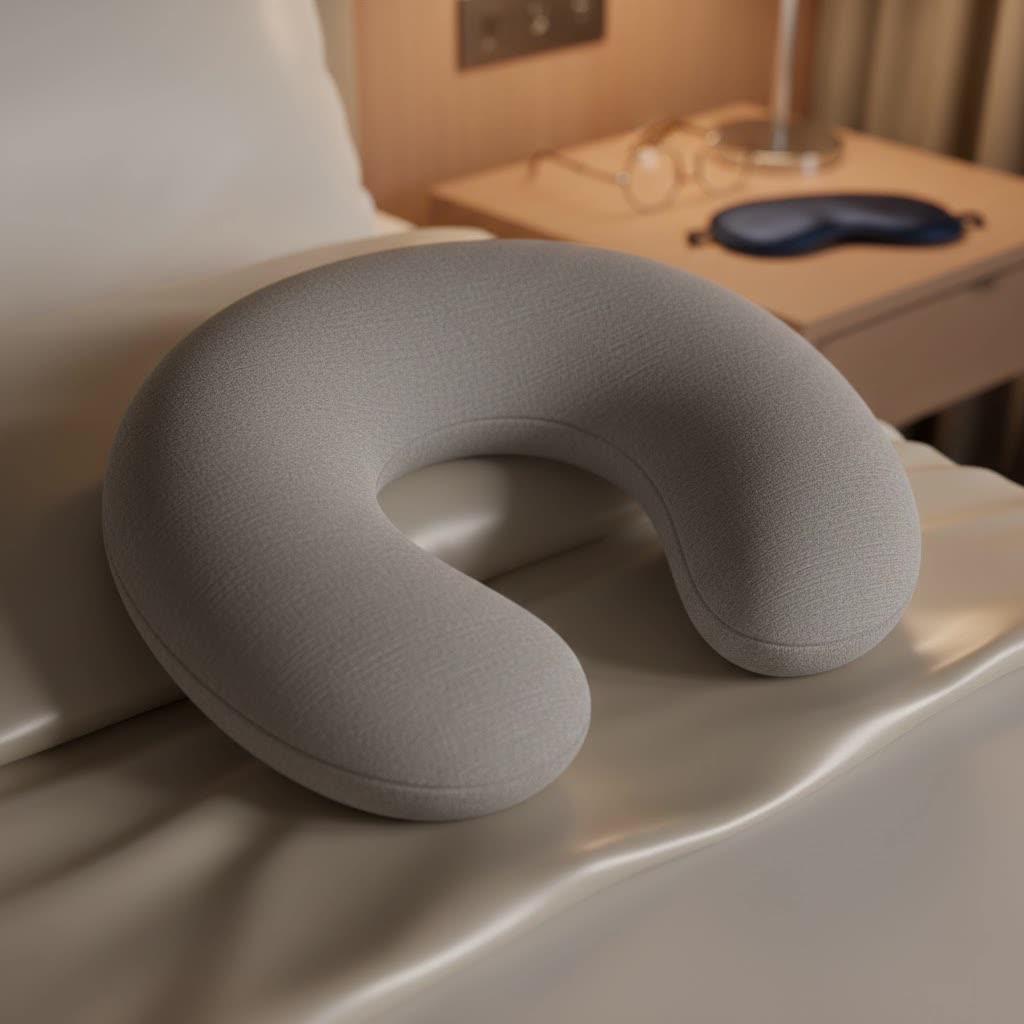
A neck pillow, particularly one designed for cervical support, is not just any ordinary pillow. It is an ergonomically crafted sleep accessory engineered to support the natural curvature of your cervical spine – the upper part of your backbone in your neck. Unlike traditional pillows that can flatten or clump, these pillows are shaped and constructed to cradle your head while providing consistent support to your neck. Their primary purpose is to maintain a neutral spinal alignment throughout the night, alleviating pressure, reducing muscle tension, and promoting restorative sleep. Common types include contoured cervical pillows, memory foam, latex, and adjustable designs.
Why Do You Need a Neck Pillow for Cervical Pain?
The benefits of using a specialized neck pillow extend far beyond simple comfort. For individuals experiencing cervical pain, these pillows offer a crucial pathway to relief and improved well-being. By ensuring your head and neck remain in proper alignment with your spine, they actively work to reduce the strain on muscles and ligaments that can lead to morning stiffness and chronic discomfort.
These pillows are especially beneficial for a wide range of individuals. If you suffer from conditions like arthritis, have experienced a pinched nerve, or deal with a herniated disc, the targeted support of a cervical pillow can significantly alleviate symptoms. Office workers who spend long hours at a desk, frequent travelers, and anyone with existing spinal issues can also find immense relief. Essentially, a supportive neck pillow acts as a preventative and therapeutic tool, fostering healthier sleep posture and contributing to overall spinal health.
Types of Neck Pillows for Cervical Pain
The market offers a diverse array of neck pillows, each with unique characteristics suited to different preferences and needs. Understanding these types is the first step in finding your ideal sleep companion.
-
Cervical (Orthopedic) Pillows:
These pillows are distinguished by their contoured design, featuring a central dip to cradle the head and raised edges or rolls to support the neck. This specific shaping is crucial for maintaining the natural C-curve of the cervical spine.- Pros: Provide excellent spinal alignment and targeted support, which is often recommended by medical professionals for chronic neck pain.
- Cons: Can have an initial adjustment period as your body adapts to the new shape. The specific contour might not feel comfortable for everyone immediately.
- Best for: Individuals with chronic neck pain, particularly back and side sleepers who need consistent support to prevent misalignment.
-
Memory Foam Pillows:
Memory foam, a viscoelastic material, responds to body heat and pressure by molding precisely to the unique contours of your head and neck. This personalized cradle offers exceptional pressure relief.- Pros: Offers custom support and excellent pressure distribution, making it suitable for various sleep positions. They are generally durable and maintain their shape well over time.
- Cons: Can sometimes retain body heat, leading to a warmer sleep experience. Some new memory foam pillows might have a temporary “off-gassing” odor.
- Best for: Sleepers seeking personalized contouring comfort and consistent support across all sleeping positions.
-
Latex Pillows:
Made from either natural or synthetic latex, these pillows are known for their buoyant, responsive feel. They offer a balance of firmness and springiness, providing robust support without a “sinking” sensation.- Pros: Highly durable, naturally hypoallergenic, and often more breathable than traditional memory foam, contributing to a cooler sleep. They offer consistent, resilient support.
- Cons: Can be more expensive than other types and might have a distinct, though usually faint, natural rubber odor. They are also typically heavier.
- Best for: Those needing firm yet responsive support, individuals with allergies, and anyone looking for a long-lasting, natural option.
-
Adjustable Pillows:
These innovative pillows allow you to customize their loft (height) and firmness by adding or removing fill material, such as shredded memory foam, buckwheat hulls, or microfibers.- Pros: Offers unparalleled customization, allowing you to fine-tune the pillow to your exact comfort and support needs. This versatility makes them adaptable to changing preferences or sleep positions.
- Cons: Requires some experimentation to find the optimal fill level. The process of adding or removing fill can be a bit messy.
- Best for: All sleep positions, individuals who are unsure of their ideal loft or firmness, and those whose support needs may vary.
-
Down Alternative Pillows:
Filled with synthetic fibers, these pillows mimic the softness and plushness of traditional down but are hypoallergenic and often more affordable.- Pros: Soft, moldable, and hypoallergenic, making them a good choice for allergy sufferers. They are generally lightweight and easy to care for.
- Cons: Tend to offer less robust support compared to foam or latex, making them less ideal for significant cervical pain. They can also flatten over time, requiring frequent fluffing.
- Best for: Those who prefer a softer, plush feel and require only mild support for their neck.
Comparison Table of Neck Pillows
| Type of Pillow | Material | Comfort | Support | Durability | Price Range | Special Features | Best For |
|---|---|---|---|---|---|---|---|
| Cervical/Orthopedic | Memory Foam, Foam Blends | Good, may require adjustment | Excellent, targeted | High | Mid-High | Contoured for natural curve | Back & Side Sleepers with chronic pain |
| Memory Foam | Viscoelastic Foam | Excellent, contouring | High, pressure-relieving | High | Mid-High | Molds to shape, reduces pressure points | All sleep positions |
| Latex | Natural or Synthetic Latex | Very Good, responsive | High, buoyant | Very High | High | Breathable, hypoallergenic | All sleep positions, allergy sufferers |
| Adjustable | Shredded Memory Foam, Microfiber | Customizable | Customizable | Medium-High | Mid | Customizable loft & firmness | All sleep positions, those with changing needs |
| Down Alternative | Polyester Fill, Microfiber | Soft, plush | Moderate | Medium | Low-Mid | Hypoallergenic, lightweight | Those preferring soft feel & mild support |
How to Choose the Perfect Neck Pillow for Your Cervical Pain
Selecting the right neck pillow is a personalized journey, influenced by your unique body and sleep habits. Consider these critical factors to make an informed choice.
- Understand Your Sleep Position: Your preferred sleeping posture is perhaps the most significant determinant.
- Back Sleepers: Require a pillow with a medium loft (height) that supports the natural curve of the neck without pushing the head too far forward. A contoured memory foam pillow or a medium-firm option is often ideal.
- Side Sleepers: Need a firmer, higher loft pillow to adequately fill the gap between their head, neck, and the mattress, keeping the spine aligned. The pillow should prevent the head from tilting up or down.
- Stomach Sleepers: This position is generally discouraged for individuals with neck pain as it often strains the neck. If you must sleep on your stomach, opt for a very thin, low-loft pillow or no pillow at all to minimize strain.
- Consider Loft (Pillow Height): The pillow’s loft is critical for maintaining neutral spinal alignment. It should match the distance between your head and neck and the mattress. A pillow that’s too high or too low will cause misalignment. Adjustable pillows are excellent for finding your perfect loft.
- Evaluate Firmness: A medium-firm pillow is frequently recommended for cervical pain. It offers a good balance of support and comfort, preventing the head from sinking too deeply while still cushioning. Too soft, and it won’t support; too firm, and it can create pressure points.
- Choose the Right Material: Memory foam and latex are excellent choices for their supportive and contouring properties. Down alternative offers a softer feel, while adjustable pillows provide flexibility in material and support.
- Look for Adjustability: Adjustable pillows, often filled with shredded memory foam or other customizable materials, allow you to fine-tune the pillow’s height and firmness. This adaptability is invaluable for ensuring long-term comfort and support as your needs may evolve.
- Assess for Special Features: For those who tend to sleep hot, consider pillows with cooling properties, such as gel-infused memory foam or breathable covers made from materials like bamboo or specialized cooling fabrics.
- Consider Existing Health Conditions: If you have severe or complex cervical conditions, such as advanced degenerative changes or disc herniations, it’s always wise to consult a healthcare professional. They can provide tailored recommendations or suggest specific orthopedic pillows.
Top Neck Pillows for Cervical Pain
While individual preferences vary, certain types of neck pillows consistently receive high marks for their effectiveness in alleviating cervical pain.
- Ergonomic Cervical Pillows: These are specifically designed with contours that follow the natural curve of your neck. They often feature a ‘valley’ for your head and elevated sections to support the neck. This design is exceptional for maintaining proper spinal alignment and providing targeted relief. Though they might feel different initially, many users find them transformative for chronic neck issues.
- Adjustable Shredded Memory Foam Pillows: The ability to customize the fill level in these pillows makes them incredibly versatile. You can add or remove the shredded foam to achieve the ideal loft and firmness for your specific sleep position and pain points, offering a personalized comfort that caters to evolving needs.
- Supportive Latex Pillows: Known for their natural resilience and firm yet cushioning support, latex pillows are an excellent choice. They offer consistent support that keeps your head and neck aligned without the sinking feeling sometimes associated with traditional memory foam. Their natural breathability also makes them a popular choice for cooler sleep.
- Cooling Memory Foam Pillows: For those who love the contouring benefits of memory foam but struggle with heat retention, cooling memory foam pillows are a superb innovation. These often incorporate gel infusions, open-cell designs, or specialized cooling covers to dissipate heat and maintain a comfortable sleeping temperature while still providing cervical support.
Where to Buy Neck Pillows
Finding the right neck pillow is easier than ever with numerous retail options available.
- Specialized Sleep Stores: These stores often have a knowledgeable staff who can guide you through different pillow types and allow you to test them in person.
- Department Stores: Many larger department stores carry a selection of reputable pillow brands.
- Online Retailers: Websites like Amazon, as well as direct-to-consumer brand websites (e.g., Tempur-Pedic, Helix, Coop Home Goods, Saatva), offer a vast selection. Online shopping provides convenience and access to extensive customer reviews.
- Medical Supply Stores: For more specialized orthopedic or therapeutic pillows, medical supply stores or those recommended by your chiropractor or physical therapist might be the best option.
When shopping online, always read customer reviews carefully to gauge real-world performance. Also, pay close attention to return policies and trial periods, as finding the perfect pillow sometimes requires a bit of trial and error.
How to Clean and Maintain Your Neck Pillow
Proper cleaning and maintenance will prolong the life of your neck pillow and ensure it remains hygienic and supportive.
- Always Check Care Labels: The most important rule is to follow the manufacturer’s specific cleaning instructions, as materials vary widely.
- Memory Foam and Latex: These materials are generally not machine washable. Instead, spot clean any spills or stains using a mild detergent and a damp cloth. Allow to air dry completely. The removable cover, if present, can usually be machine washed.
- Shredded Fill and Down Alternative: Many pillows with shredded memory foam, microfiber, or down alternative fills are machine washable. Use a mild detergent on a gentle cycle.
- Drying: For any washable pillow or cover, ensure it is thoroughly air dried to prevent mold, mildew, and unpleasant odors, especially for foam-based products. Using a low-heat setting in a dryer with dryer balls can help fluff up fillable pillows.
- Use a Pillow Protector: An easily washable pillow protector placed under your pillowcase can shield your pillow from sweat, oils, and allergens, extending its cleanliness and lifespan.
- Know When to Replace: Even the best pillows have a lifespan. Generally, neck pillows should be replaced every 1 to 2 years, or sooner if they become lumpy, lose their shape, or no longer provide adequate support, which can exacerbate neck pain.
Conclusion
Investing in the best neck pillow for cervical pain is an investment in your overall health and quality of life. By understanding the diverse types, materials, and crucial factors like sleep position, loft, and firmness, you can confidently navigate the options available. The right pillow will not only alleviate the persistent discomfort of cervical pain but also foster improved posture, better sleep quality, and a more energized start to your day. It’s about more than just a pillow; it’s about transforming your sleep experience and waking up refreshed and pain-free.
Are you ready to transform your sleep and wake up pain-free?
Frequently Asked Questions
What is the ideal firmness for a neck pillow if I have cervical pain?
Medium-firm pillows are generally recommended for cervical pain as they provide an optimal balance of support and comfort. They should be firm enough to maintain proper spinal alignment without being so rigid that they create pressure points or cause discomfort, allowing for gentle cradling and effective relief.
How often should I replace my neck pillow for cervical pain?
It is generally recommended to replace your neck pillow every 1 to 2 years. However, if your pillow starts to lose its original shape, becomes lumpy, or no longer provides adequate support to your neck and head, it’s advisable to replace it sooner. A worn-out pillow can exacerbate neck pain.
Can a regular pillow worsen cervical neck pain?
Yes, a regular pillow that lacks appropriate support for the natural curve of your neck can significantly worsen cervical neck pain. If a pillow is either too high, too low, or does not provide consistent support, it can lead to spinal misalignment, causing strain on your neck muscles and ligaments, resulting in discomfort, stiffness, and even headaches upon waking.
Are cervical pillows only for back and side sleepers?
While cervical pillows are particularly effective and recommended for back and side sleepers due to their contoured design that supports the natural neck curve in these positions, stomach sleeping is generally discouraged for individuals experiencing neck pain. This position often leads to an unnatural twist of the neck and potential spinal misalignment, making cervical pillows less suitable.
What materials are best for cervical neck pain pillows?
Memory foam and latex are widely considered the best materials for cervical neck pain pillows. Memory foam excels at contouring to the neck’s unique shape and relieving pressure, while latex offers a responsive, buoyant, and consistently supportive feel. Adjustable pillows with shredded fills also provide excellent customizable support.