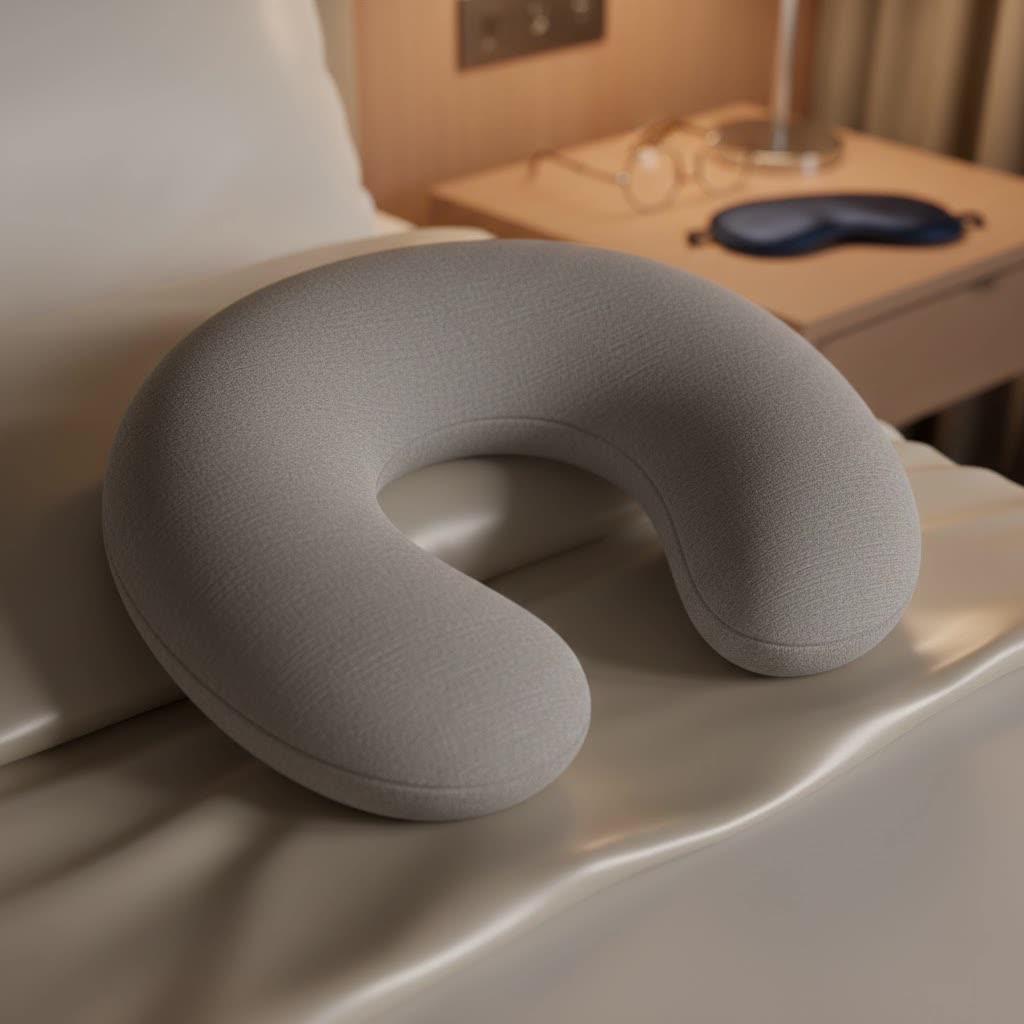
Waking up with a stiff, aching neck can turn a fresh morning into a struggle. If you frequently experience discomfort, headaches, or general stiffness in your neck and shoulders, the culprit might be right under your head: your pillow. Choosing the best neck pillow for neck strain is not just about comfort; it’s a vital step towards achieving proper spinal alignment, reducing pain, and ensuring restorative sleep. Let’s explore how the right pillow can transform your nights and mornings.
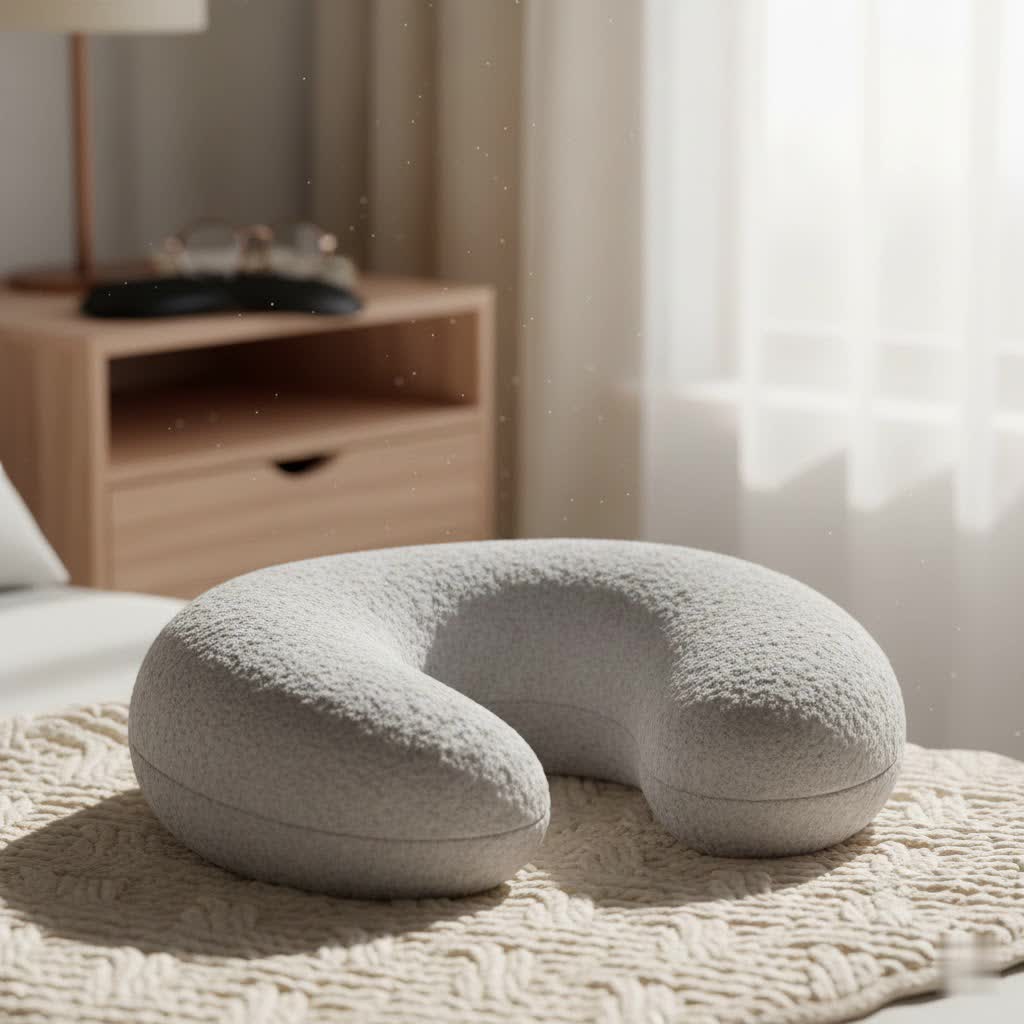
What is a Neck Pillow?
A neck pillow, often referred to as a cervical or orthopedic pillow, is specifically designed to support the natural curve of your cervical spine (neck) while you sleep. Unlike traditional pillows that may flatten or lump, these specialized pillows aim to keep your head and neck aligned with the rest of your spine. This ergonomic design helps prevent awkward sleeping positions that can lead to muscle strain, stiffness, and chronic pain.
While the term “neck pillow” can encompass travel pillows, this article focuses on those designed for overnight sleep, which come in various shapes, materials, and firmness levels to cater to diverse needs and sleeping preferences.
Why You Need the Right Neck Pillow for Strain Relief
Proper head and neck support during sleep is paramount for overall well-being. When your pillow doesn’t provide adequate support, your neck muscles work overtime to stabilize your head, leading to tension and strain. Over time, this can exacerbate existing neck pain or even create new issues.
The benefits of using a supportive neck pillow for strain relief extend beyond just comfort. It helps in alleviating chronic neck and shoulder pain, which can be a common complaint for office workers, individuals with poor posture, or those with underlying spinal conditions. By maintaining correct spinal alignment, a good neck pillow can also reduce the frequency of tension headaches, improve blood circulation, and promote deeper, more restful sleep. If you frequently travel, work long hours at a desk, or simply wake up feeling less than refreshed, investing in the right neck pillow is a proactive step toward a healthier, more comfortable life.
Popular Types of Neck Pillows for Neck Strain
The market offers a wide array of neck pillows, each with unique characteristics. Understanding the different types and their suitability can guide you toward the best choice for your specific needs.
Memory Foam Neck Pillows
Memory foam pillows are celebrated for their ability to conform precisely to the shape of your head and neck. This material responds to body heat, molding to your contours and providing personalized support that cradles your neck.
- Pros: Excellent for pressure relief, offers tailored support, and can reduce tossing and turning. Many come in contoured shapes specifically for cervical support.
- Cons: Can sometimes retain heat, leading to a warmer sleep experience. Some new memory foam pillows may have an initial “off-gassing” odor. They also have a slower response time compared to other materials.
- Best for: Individuals seeking firm, contouring support, especially back and side sleepers who need consistent alignment.
|
Our Picks for the Best Neck Pillow in 2026
We may earn a commission when you use one of our links to make a purchase.
|
||
| Num | Product | Action |
|---|---|---|
| 1 | SAIREIDER Neck Pillows for Travel-Head Neck Support Travel Pillow for Traveling, Car, Home, Office Adjustable(Navy Blue) |

|
| 2 | Ultra Pain Relief Cooling Pillow for Neck Support, Adjustable Cervical Pillow Cozy Sleeping, Odorless Ergonomic Contour Memory Foam Pillows, Orthopedic Bed Pillow for Side Back Stomach Sleeper |
|
| 3 | Ultra Pain Relief Cooling Pillow for Neck Support, Adjustable Cervical Pillow Cozy Sleeping, Odorless Ergonomic Contour Memory Foam Pillows, Orthopedic Bed Pillow for Side Back Stomach Sleeper |
|
| 4 | Ultra Pain Relief Cooling Pillow for Neck Support, Adjustable Cervical Pillow Cozy Sleeping, Odorless Ergonomic Contour Memory Foam Pillows, Orthopedic Bed Pillow for Side Back Stomach Sleeper |
|
| 5 | Cervical Memory Foam Pillow – Ergonomic Neck Support for Side, Back & Stomach Sleepers - Odorless Beauty Sleep Pillow for Deep Rest (Light Grey, King Size 24.8" Lx16.9 Wx5.9 H) |
|
| 6 | SAIREIDER Travel Pillows for Sleeping Airplane 100% Pure Memory Foam Neck Pillow for Airplanes Washable Cover with Storage Bag (Grey) |
|
| 7 | SAIREIDER Travel Pillow 100% Pure Memory Foam Travel Neck Pillow with Storage Bag, Airplane Pillow for Traveling、Car、Home、Office,Washable Cover(Black) |
|
| 8 | SAIREIDER Travel Pillow 100% Pure Memory Foam Travel Neck Pillow, Airplane Pillow for Traveling、Car、Home、Office,Washable Cover(Black) |
|
| 9 | SAIREIDER Travel Neck Pillow 100% Pure Memory Foam Airplane Pillow for Head Support,Soft Adjustable Pillow for Plane, Car & Home Recliner (Pink) |
|
| 10 | SAIREIDER Travel Pillows for Sleeping Airplane 100% Pure Memory Foam Neck Pillow for Airplanes Washable Cover(Grey) |
|
Latex Neck Pillows
Latex pillows are made from natural or synthetic rubber and are known for their distinctive bouncy feel and durability.
- Pros: Highly responsive, providing immediate support and maintaining its shape throughout the night. Naturally hypoallergenic and resistant to dust mites and mold, making them ideal for allergy sufferers. They also tend to be more breathable and cooler than traditional memory foam.
- Cons: Can be more expensive than other types. Some people might find the initial scent of natural latex strong, though it usually dissipates.
- Best for: Hot sleepers, allergy sufferers, and those who prefer a firmer, more resilient support with a quicker bounce-back.
Cervical/Orthopedic Neck Pillows
These pillows are specifically engineered with ergonomic contours, often featuring a wave-like shape with a higher ridge for neck support and a dip for the head.
- Pros: Designed to promote optimal spinal alignment, reducing strain and supporting the neck’s natural curve. Highly recommended by chiropractors and physical therapists for chronic neck pain.
- Cons: The unique shape can feel unusual at first and might not be comfortable for all sleeping positions, particularly stomach sleepers.
- Best for: Back and side sleepers, and individuals with chronic neck pain or specific cervical conditions who require targeted alignment.
Adjustable Neck Pillows
Adjustable pillows typically contain shredded memory foam, buckwheat hulls, or other malleable fills that can be added or removed to customize the pillow’s loft and firmness.
- Pros: Offers unparalleled customization, allowing you to fine-tune the pillow to your exact preference for height and feel. This adaptability makes them suitable for various sleep positions and body types.
- Cons: May require some experimentation to find the perfect fill level.
- Best for: All sleepers, especially those who are unsure about their ideal pillow firmness or loft, or those whose needs change over time.
Buckwheat/Millet/Hemp Hull Pillows
These natural pillows are filled with plant-based hulls that shift and mold to your head and neck, providing highly customizable and firm support.
- Pros: Excellent for support and alignment as the hulls conform perfectly to your shape. Very breathable, promoting airflow and preventing heat buildup.
- Cons: Can be very firm, and the hulls can create a rustling sound with movement. They are also heavier than other pillow types.
- Best for: Those seeking natural, highly customizable support and firm pressure relief, often favored by side sleepers.
Down/Feather Neck Pillows
Traditionally luxurious, down and feather pillows are known for their plushness and softness.
- Pros: Extremely soft, lightweight, and easily moldable. A high feather content can offer some level of support.
- Cons: Pure down pillows can be too soft for adequate neck support, potentially leading to misalignment and increased strain. May trigger allergies for some individuals.
- Best for: Sleepers who prioritize a soft, cloud-like feel, but careful consideration is needed to ensure sufficient neck support. Often best used in conjunction with a firmer base pillow or with a higher percentage of feathers for added structure.
Comparison Table: Neck Pillow Types
| Feature | Memory Foam | Latex | Cervical/Orthopedic | Adjustable | Buckwheat/Hull | Down/Feather |
|---|---|---|---|---|---|---|
| Material | Polyurethane foam | Natural/Synthetic Latex | Memory foam/Latex | Shredded foam/Hulls | Buckwheat/Millet/Hemp | Down/Feathers |
| Comfort | Contouring, soft | Bouncy, responsive | Ergonomic, supportive | Customizable plush/firm | Firm, molding | Plush, soft |
| Support | Excellent contouring | Consistent, resilient | Targeted cervical | Highly customizable | Excellent, adaptable | Variable (can be low) |
| Breathability | Can retain heat | Very breathable | Varies by material | Good (shredded/hulls) | Excellent | Moderate |
| Durability | Good | Excellent | Good | Good | Very good | Moderate |
| Pros | Pressure relief, customized feel | Hypoallergenic, cool, long-lasting | Optimal alignment, pain relief | Adaptable to all needs | Natural, breathable, superior support | Luxurious, soft, moldable |
| Cons | Heat retention, off-gassing | Higher cost, unique scent | Specific shape, initial adjustment | Initial adjustment required | Heavy, noisy, very firm | Insufficient support, allergens |
How to Choose the Perfect Neck Pillow for Your Strain
Selecting the right neck pillow is a personal journey, as what works for one person may not work for another. Consider these key factors to find your ideal match:
Assess Your Sleeping Position
Your preferred sleep position significantly influences the type of pillow you need to maintain proper spinal alignment.
- Back Sleepers: Look for a pillow with a medium loft (height) and medium firmness. A contoured or cervical pillow can support the natural curve of your neck without pushing your head too far forward. An ideal thickness is typically between 3 and 5 inches.
- Side Sleepers: You generally need a firmer, higher loft pillow to fill the gap between your shoulder and head, keeping your spine straight. Pillows with a thickness of 4 to 6 inches are often suitable. Cervical pillows with pronounced side contours can also be beneficial.
- Stomach Sleepers: This position is generally not recommended for neck health, as it forces your neck into a twisted position. If you must sleep on your stomach, opt for a very thin, soft, low-loft pillow (under 2-3 inches) or even no pillow at all, to minimize neck strain.
Consider Pillow Material
The material directly impacts the pillow’s feel, support, and other characteristics.
- Memory Foam provides a conforming, “hug-like” feel, excellent for targeted pressure relief.
- Latex offers a more responsive, buoyant support, often preferred for its breathability and durability.
- Cervical designs typically use memory foam or latex for their ability to hold a specific shape.
- Adjustable pillows (e.g., shredded memory foam, buckwheat) allow you to customize the fill, offering versatility.
- Down/Feather can be soft and luxurious, but be cautious to ensure it provides adequate neck support.
Determine Ideal Loft (Height) and Firmness
The loft and firmness of your pillow are critical for maintaining a neutral spine.
- Loft: This is the height of the pillow. Too high, and your head will be pushed up; too low, and it will drop down. The correct loft ensures your head and neck align with your spine. As noted above, specific ranges work best for different sleeping positions.
- Firmness: Generally, a medium to medium-firm pillow is recommended for neck strain, striking a balance between support and comfort. A pillow that is too soft will collapse, offering no support, while one that is too firm can create pressure points and discomfort.
Evaluate Special Features and Health Needs
Consider additional features that cater to your specific concerns:
- Cooling Properties: If you tend to sleep hot, look for gel-infused memory foam, latex, or breathable materials like bamboo covers.
- Hypoallergenic Features: Latex and certain synthetic fills are naturally hypoallergenic, ideal for those with allergies or sensitivities.
- Specific Pain Points: If you have chronic conditions like degenerative disc disease or severe stiffness, a doctor or physical therapist might recommend a specific orthopedic design.
Check Brand Reputation and Reviews
Before making a purchase, research reputable brands known for quality sleep products. Read user reviews, paying attention to comments from individuals with similar sleep positions or neck issues. Many companies offer trial periods or generous return policies, which can be invaluable when investing in a new pillow.
Top Neck Pillows for Strain Relief
While specific product recommendations can vary widely based on individual preference and evolving market offerings, certain categories consistently deliver effective relief for neck strain.
- Ergonomic Contoured Pillows: These are often crafted from memory foam or latex and feature a distinct wave shape designed to cradle the neck and head. They are excellent for maintaining the natural cervical curve and are highly favored by back and side sleepers experiencing chronic pain.
- Adjustable Shredded Memory Foam Pillows: Offering unparalleled customization, these pillows allow you to add or remove fill to achieve your perfect loft and firmness. This adaptability makes them a versatile choice for any sleeping position and for those whose support needs may change.
- Responsive Natural Latex Pillows: Known for their buoyant support and durable nature, natural latex pillows provide firm yet gentle cushioning. They are also celebrated for their breathability, making them an excellent choice for those who tend to overheat at night, while their hypoallergenic properties benefit allergy sufferers.
- Hybrid Support Pillows: Some innovative pillows combine materials, such as a memory foam core with a down-alternative outer layer, to offer a balance of contouring support and soft comfort. These can be ideal for sleepers who want the benefits of specialized support without sacrificing a plush feel.
Where to Buy Neck Pillows
Finding the best neck pillow for neck strain is easier than ever, with several reputable avenues available:
- Online Retailers: Websites like Amazon, dedicated sleep product sites, and direct-to-consumer brands offer a vast selection, often with detailed descriptions, customer reviews, and competitive pricing. Look for companies that provide generous trial periods and easy return policies.
- Specialty Sleep Stores: Visiting a physical store allows you to touch, feel, and even lie down with different pillows to assess their comfort and support firsthand. Sales associates can also offer personalized recommendations.
- Department Stores: Many larger department stores carry a range of popular pillow brands, offering another opportunity to compare options in person.
- Chiropractor or Physical Therapy Clinics: Healthcare professionals who treat neck pain often recommend specific brands or types of orthopedic pillows, and some even sell them directly.
When purchasing online, always review the product specifications, customer feedback, and the company’s return policy to ensure a satisfactory experience.
Care and Maintenance for Your Neck Pillow
Proper care and maintenance can extend the life of your neck pillow and ensure it continues to provide optimal support and hygiene.
- Washing Instructions: Always check the manufacturer’s care label. Many pillow covers are machine washable, but the pillow insert itself may require spot cleaning, hand washing, or professional dry cleaning, especially for memory foam or latex. For shredded foam or natural fills, some designs allow for the removal of the filling so the casing can be washed.
- Airing Out: Regularly air out your pillow, especially if it’s made from memory foam or latex, to help dissipate any odors and maintain freshness.
- When to Replace: A general rule of thumb is to replace your pillow every one to two years. However, if your pillow no longer bounces back, feels lumpy, or shows visible signs of wear and tear, it’s time for a replacement, regardless of age. A worn-out pillow can compromise spinal alignment and exacerbate neck strain.
“A good pillow isn’t just a comfort item; it’s a therapeutic tool that actively contributes to spinal health and restorative sleep. Prioritizing its cleanliness and replacing it when needed are simple steps for profound health benefits.”
Conclusion
Choosing the Best Pillow For Neck Strain is a critical investment in your overall health and daily comfort. By understanding your unique sleep position, the benefits of different materials like memory foam and latex, and the importance of appropriate loft and firmness, you can make an informed decision. An effective neck pillow will actively support your cervical spine, alleviating pain and promoting the neutral alignment essential for a truly restful night.
Don’t let neck strain dictate your mornings. Have you considered how your current pillow might be affecting your sleep?
Frequently Asked Questions
What is the ideal firmness for a neck pillow for neck strain?
For most individuals experiencing neck strain, a medium to medium-firm pillow is ideal. This level of firmness offers a balance of support and comfort, ensuring your head and neck are adequately supported without being too stiff or allowing your head to sink too much.
Can a regular pillow cause neck strain?
Yes, a regular pillow can absolutely cause or worsen neck strain if it doesn’t provide proper support for your cervical spine. If a pillow is too soft, too firm, too high, or too flat for your sleeping position, it can lead to misalignment of your head and neck, putting stress on muscles and ligaments, and resulting in pain and stiffness.
How often should I replace my neck pillow if I have neck strain?
If you suffer from neck strain, it’s generally recommended to replace your neck pillow every one to two years. However, more important than age is the pillow’s condition. If it loses its shape, becomes lumpy, or no longer provides consistent support, it’s time for a new one, as a compromised pillow can exacerbate your neck issues.