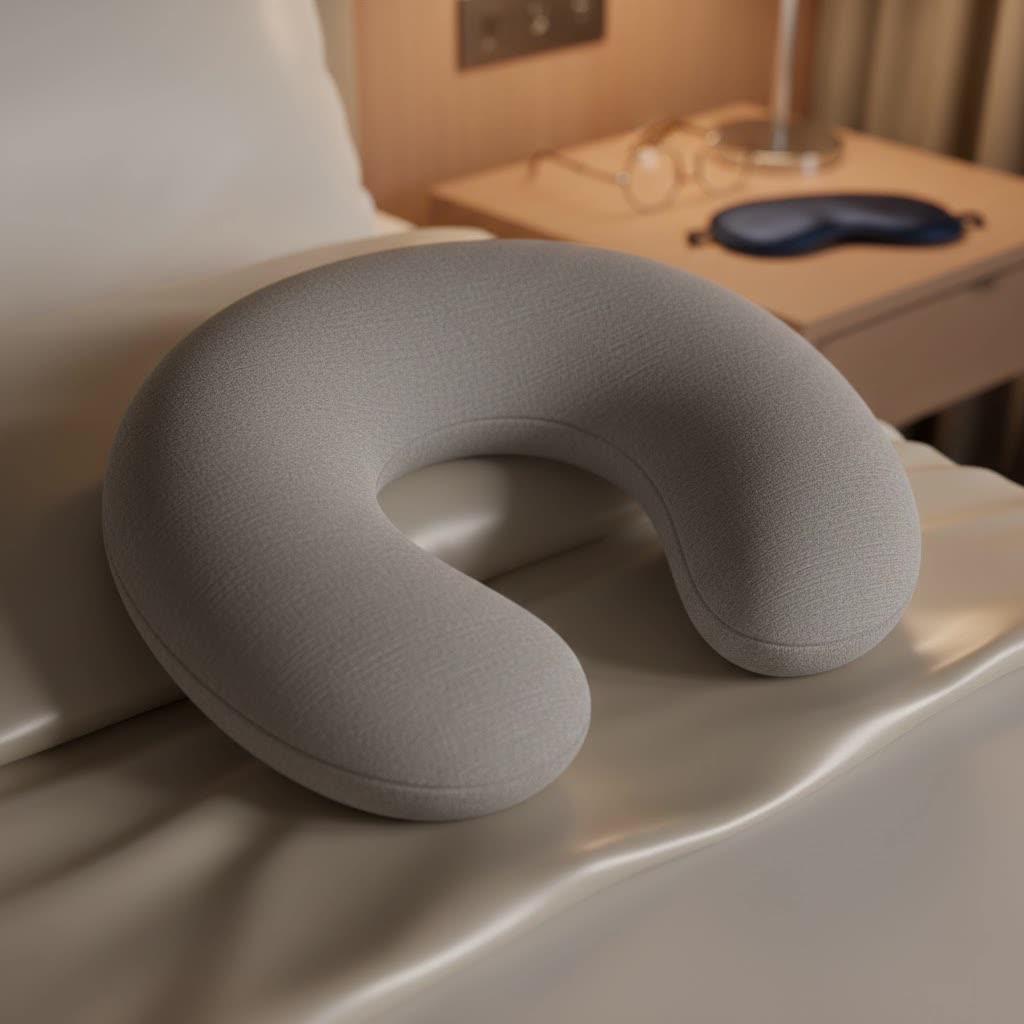
Waking up with a stiff, aching neck can turn the promise of a restful night into a painful reality. Many of us dismiss neck pain as a minor inconvenience, but it’s often a clear signal that something in our sleep setup isn’t quite right. Your pillow, often overlooked, plays a critical role in supporting your cervical spine throughout the night. Choosing the wrong one can exacerbate existing discomfort or even create new problems, preventing you from enjoying the restorative sleep your body desperately needs.
This comprehensive guide is designed to transform your sleep experience. We’ll delve into the world of specialized neck pillows, exploring their types, benefits, and how to select the perfect one to alleviate your sore neck and promote healthy spinal alignment. Get ready to discover how a simple change can lead to profound relief and significantly improve your overall well-being.
Understanding Neck Pillows: Your Ally Against Pain
A neck pillow, often referred to as a cervical pillow, is specifically engineered to support the natural curvature of your neck and head. Unlike standard pillows that may flatten or bunch, a well-designed neck pillow maintains optimal spinal alignment, reducing strain on the muscles and ligaments in your neck and shoulders. Its primary purpose is to fill the gap between your head and the mattress, ensuring your head doesn’t tilt too far in any direction, regardless of your sleeping position.
Why You Need a Specialized Neck Pillow
Investing in a specialized neck pillow goes beyond simple comfort; it’s a commitment to your long-term health and sleep quality.
- Alleviates Pain and Stiffness: The most immediate and significant benefit is the reduction of chronic neck and shoulder pain. By supporting your cervical spine in a neutral position, these pillows help to decompress your vertebrae and relax tense muscles.
- Improves Sleep Quality: When your neck is properly supported, your body can fully relax, leading to deeper, more uninterrupted sleep. This improved sleep quality contributes to better mood, increased energy, and enhanced cognitive function during the day.
- Promotes Spinal Alignment: Maintaining proper spinal alignment throughout the night is crucial for overall postural health. A good neck pillow works in harmony with your mattress to ensure your head, neck, and spine form a straight line, which can prevent issues like pinched nerves and muscle imbalances.
- Ideal for Various Needs: Specialized neck pillows are beneficial for a wide range of individuals, including:
- Office Workers: Those who spend hours at a desk often experience forward head posture and upper back tension, which a supportive pillow can counteract at night.
- Travelers: While often associated with travel, the principles of neck support apply universally.
- Individuals with Chronic Conditions: People suffering from conditions like arthritis, whiplash, or degenerative disc disease can find significant relief with a pillow designed to cradle their sensitive areas.
|
Our Picks for the Best Neck Pillow in 2026
We may earn a commission when you use one of our links to make a purchase.
|
||
| Num | Product | Action |
|---|---|---|
| 1 | Cervical Memory Foam Pillow – Ergonomic Neck Support for Side, Back & Stomach Sleepers - Odorless Beauty Sleep Pillow for Deep Rest (Light Grey, King Size 24.8" Lx16.9 Wx5.9 H) |

|
| 2 | SAIREIDER Travel Neck Pillow 100% Pure Memory Foam Airplane Pillow for Head Support,Soft Adjustable Pillow for Plane, Car & Home Recliner (Pink) |
|
| 3 | SAIREIDER Travel Pillow 100% Pure Memory Foam Travel Neck Pillow, Airplane Pillow for Traveling、Car、Home、Office,Washable Cover(Black) |
|
| 4 | SAIREIDER Travel Pillows for Sleeping Airplane 100% Pure Memory Foam Neck Pillow for Airplanes Washable Cover(Grey) |
|
| 5 | Ultra Pain Relief Cooling Pillow for Neck Support, Adjustable Cervical Pillow Cozy Sleeping, Odorless Ergonomic Contour Memory Foam Pillows, Orthopedic Bed Pillow for Side Back Stomach Sleeper |
|
| 6 | SAIREIDER Travel Pillow 100% Pure Memory Foam Travel Neck Pillow with Storage Bag, Airplane Pillow for Traveling、Car、Home、Office,Washable Cover(Black) |
|
| 7 | Ultra Pain Relief Cooling Pillow for Neck Support, Adjustable Cervical Pillow Cozy Sleeping, Odorless Ergonomic Contour Memory Foam Pillows, Orthopedic Bed Pillow for Side Back Stomach Sleeper |
|
| 8 | SAIREIDER Neck Pillows for Travel-Head Neck Support Travel Pillow for Traveling, Car, Home, Office Adjustable(Navy Blue) |
|
| 9 | SAIREIDER Travel Pillows for Sleeping Airplane 100% Pure Memory Foam Neck Pillow for Airplanes Washable Cover with Storage Bag (Grey) |
|
| 10 | Ultra Pain Relief Cooling Pillow for Neck Support, Adjustable Cervical Pillow Cozy Sleeping, Odorless Ergonomic Contour Memory Foam Pillows, Orthopedic Bed Pillow for Side Back Stomach Sleeper |
|
Decoding Pillow Types for Neck Pain Relief
The market offers a diverse array of neck pillows, each designed with unique features and materials to cater to different needs. Understanding these types is the first step toward finding your ideal match.
Cervical/Contoured Pillows
These are perhaps the most recognizable pillows for neck pain. They feature an ergonomic design with a depression in the center for the head and raised, bolstered edges to support the neck.
- Description: Their sculpted shape is intended to perfectly cradle the head while filling the natural curve of the cervical spine.
- Pros: Excellent for maintaining neutral spinal alignment, targeted support, and reducing pressure points. They are often recommended by chiropractors.
- Cons: Can take some getting used to due to their specific shape and firmness; some find them too rigid initially.
- Best for: Back sleepers, side sleepers, and individuals with chronic neck pain, postural strain, or disc issues who require structured support.
Memory Foam Pillows
Memory foam is a viscoelastic material known for its ability to contour to the body’s shape in response to heat and pressure, offering personalized support.
- Description: Available as solid blocks or shredded fill. Solid memory foam provides consistent, firm support, while shredded memory foam offers adjustability.
- Pros: Exceptional pressure relief, deep cradling, and molds perfectly to your unique neck and head shape. Many modern versions include cooling technologies.
- Cons: Traditional memory foam can sometimes retain heat. Some solid memory foam pillows might feel too dense for certain sleepers.
- Best for: Side and back sleepers seeking customized comfort and pressure point alleviation.
Latex Pillows
Made from either natural or synthetic latex, these pillows offer a unique blend of support and resilience.
- Description: Latex pillows are naturally springy, durable, and maintain their shape exceptionally well. They are often hypoallergenic.
- Pros: Provides firm yet flexible support, excellent durability, naturally resistant to dust mites and mold. They offer consistent support without flattening.
- Cons: Can be heavier than other pillow types, and some people may find the initial scent (if natural latex) or the unique bouncy feel takes adjustment.
- Best for: Individuals who prefer a firmer, more structured support that lasts, and those with allergies.
Adjustable Pillows
Adjustable pillows allow you to customize their loft and firmness by adding or removing fill material.
- Description: Typically filled with shredded memory foam, shredded latex, or a down alternative. They often come with extra fill so you can fine-tune the pillow to your exact preference.
- Pros: Highly versatile, allowing you to achieve the perfect height and firmness for your specific sleeping position and comfort needs.
- Cons: Requires some experimentation to find the “sweet spot”; the shredded fill can sometimes shift.
- Best for: Combination sleepers, those unsure of their ideal pillow characteristics, and individuals who appreciate personalization.
Other Specialized Support Pillows
While the core focus for relieving a sore neck during sleep is on the types above, other specialized pillows serve different purposes:
- U-shaped/Travel Pillows: Primarily designed for upright support during travel (plane, car) to prevent head slouching. They are not intended for full-night sleep in bed.
- Cylindrical/Bolster Pillows: These are often used as supplementary support, placed under the neck in conjunction with a main pillow, or for lumbar support. They can provide targeted neck cradling.
- Inflatable Pillows: Mostly found as travel pillows due to their portability. While adjustable in firmness, they rarely offer the consistent, contoured support needed for therapeutic sleep at home.
Comparative Overview: Finding Your Perfect Match
To help you navigate the choices, here’s a comparison of the most effective pillow types for neck pain:
| Feature | Cervical/Contoured Pillow | Traditional Memory Foam Pillow | Latex Pillow | Adjustable Pillow (Shredded) |
|---|---|---|---|---|
| Material | Memory foam, dense foam | Solid memory foam | Natural/synthetic latex | Shredded memory foam, down alternative |
| Comfort | Structured, cradling, firm | Conforming, pressure-relieving | Responsive, buoyant, firm | Customizable, adaptable |
| Support | Excellent spinal alignment | Excellent contouring & support | Consistent, resilient support | Variable, dependent on fill level |
| Durability | High (maintains shape) | High (resists impressions) | Very High (long-lasting) | Moderate (fill can shift over time) |
| Price Range | Mid to High | Mid to High | Mid to High | Mid |
| Best For | Back/Side sleepers, chronic pain | Side/Back sleepers, pressure relief | Firm support, allergy sufferers | All sleep positions, personalization |
Expert Guidance: How to Choose the Right Neck Pillow
Selecting the ideal neck pillow is a personal journey, but a few expert-backed criteria can guide your decision. The goal is to maintain a neutral spinal alignment, ensuring your head and neck are neither tilted too far up nor too far down.
Assess Your Sleeping Position
Your primary sleeping position is the most crucial factor in determining the right pillow loft (height) and firmness.
- Back Sleepers: Look for a medium-loft pillow that cradles the natural curve of your neck while keeping your head relatively flat. A contoured memory foam or cervical pillow often works well by supporting the cervical lordosis without pushing your head too far forward.
- Side Sleepers: You need a firmer, higher-loft pillow to fill the gap between your shoulder and neck. This keeps your head in line with your spine, preventing your neck from drooping. Latex or adjustable shredded foam pillows are often excellent choices. Some side sleepers also benefit from placing a body pillow between their knees to maintain hip and spinal alignment.
- Stomach Sleepers: This position is generally not recommended for spinal health, as it forces your neck into an unnatural twist. If you must sleep on your stomach, opt for a very thin, low-loft pillow—or even no pillow at all—to minimize strain. Consider trying to transition to side or back sleeping for long-term neck health.
Consider Pillow Loft (Height) and Firmness
The right loft and firmness are essential for maintaining proper head and neck alignment.
- Loft: This refers to the pillow’s height. Too high, and your neck will be angled upwards; too low, and it will drop downwards. Both scenarios create strain.
- Firmness: The pillow should be firm enough to provide consistent support but soft enough to conform comfortably to your head and neck. A pillow that is too soft will offer inadequate support, allowing your head to sink too deeply.
Material Matters
Each material offers distinct benefits for neck pain:
- Memory Foam: Ideal for its ability to contour precisely to your head and neck, offering personalized pressure relief.
- Latex: Provides a more responsive and consistently firm support, excellent for maintaining alignment and resisting flattening.
- Adjustable Fills (Shredded Foam, Down Alternative): Offers unparalleled customization, allowing you to fine-tune the pillow’s feel to your exact preference.
Special Features
Modern pillows come with various enhancements that can improve your sleep experience:
- Cooling Technology: Many memory foam and latex pillows incorporate gel infusions, breathable covers, or ventilated designs to dissipate heat, crucial for hot sleepers.
- Hypoallergenic Properties: Latex and some synthetic fills are naturally hypoallergenic and resistant to dust mites, making them ideal for allergy sufferers.
- Washable Covers: Easy-to-remove, washable covers are a practical feature for maintaining hygiene.
Evaluate Your Specific Needs
Consider any pre-existing health conditions or personal preferences:
- Do you have chronic neck pain, arthritis, or a history of injury? You might benefit from a pillow with more targeted cervical support.
- Are you a hot sleeper? Look for cooling materials.
- Do you have allergies? Opt for hypoallergenic options.
Top Picks: Highly-Rated Neck Pillows for Soreness
Based on extensive research and expert recommendations, several pillows consistently stand out for their ability to provide superior relief for a sore neck. These are not just pillows; they are tools designed to promote healthy sleep posture.
- Tempur-Pedic Tempur-Neck Pillow: Often hailed as an overall best for neck pain, this ergonomic, contoured memory foam pillow is lauded for its targeted support and ability to encourage neutral alignment across various sleep positions.
- Eli & Elm Side Sleeper Pillow: Specifically designed for side sleepers, its unique crescent shape cradles the shoulders and neck, ensuring excellent pressure relief and spinal alignment.
- Saatva Latex Pillow: A top choice for those preferring latex, this pillow offers resilient, supportive, and naturally breathable comfort, making it a great sustainable option.
- Coop Sleep Goods Original Adjustable Pillow: This highly popular adjustable pillow allows users to customize its loft and firmness by adding or removing shredded memory foam, making it incredibly versatile for all sleep types and pain levels.
- Purple Harmony Pillow: Combining a unique honeycomb GelFlex Grid with a responsive core, this pillow offers adaptive support and exceptional airflow, making it an excellent cooling option for those with neck pain.
Where to Purchase Your Neck Pillow
Finding the right neck pillow is an investment in your health, and several reputable avenues can help you make an informed purchase.
- Specialty Sleep Stores: These stores often have a wide selection and knowledgeable staff who can guide you. You can usually test pillows in person, which is invaluable.
- Online Retailers: Websites like Amazon, as well as direct-to-consumer brand websites, offer vast selections, competitive pricing, and often generous sleep trials. Always check return policies and read customer reviews diligently.
- Department Stores: Many large department stores carry a range of pillows from well-known brands.
When buying online, pay close attention to the company’s return policy and warranty. A good sleep trial period (e.g., 30-100 nights) allows you to test the pillow at home and ensure it truly provides the relief you need.
Care and Maintenance for Your Neck Pillow
Proper care extends the life of your neck pillow and maintains its hygienic properties. Always refer to the manufacturer’s care label, as materials vary.
- Covers: Most neck pillows come with removable, washable covers. Wash these regularly according to the instructions, typically in cold water on a gentle cycle and tumble dry low.
- Pillow Core:
- Memory Foam and Latex: These materials generally cannot be machine washed. Spot clean with a mild detergent and allow to air dry completely, away from direct sunlight.
- Shredded Foam/Down Alternative: If the inner fill is washable, it will typically be indicated. Otherwise, spot cleaning is usually recommended.
- Airing Out: Periodically air out your pillow to keep it fresh and reduce moisture buildup.
- Longevity: Replace your neck pillow when it loses its support, develops permanent indentations, or no longer provides comfort. This typically ranges from 1-2 years for synthetic fills and 2-3 years for memory foam and latex.
Conclusion
A sore neck can severely impact your quality of life, but the solution might be closer than you think. Investing in the best neck pillow for your specific needs is a crucial step towards achieving lasting relief and revitalizing your sleep. By understanding the different types of pillows, considering your unique sleeping position, and prioritizing materials that offer optimal support and alignment, you can transform your nights from restless to truly restorative.
Remember, a pillow isn’t just a headrest; it’s a vital component of your spinal health. Take the time to explore your options, and don’t hesitate to seek out pillows with sleep trials to ensure it’s the perfect fit. Your comfort and well-being are worth the effort. What will your ideal neck pillow feel like, and how will it change your sleep?
Frequently Asked Questions
Is a firm or soft pillow better for neck pain?
Generally, a medium-firm to firm pillow is better for neck pain as it provides adequate support to maintain spinal alignment. A pillow that is too soft allows the head to sink too deeply, misaligning the neck, while one that is too hard can create uncomfortable pressure points. The ideal firmness depends on your sleeping position and personal preference.
Can a bad pillow cause neck pain?
Absolutely. A pillow that doesn’t properly support the natural curve of your neck can lead to misalignment of the cervical spine, causing muscle strain, stiffness, headaches, and chronic neck pain. Poor pillow choice disrupts the neutral position your neck needs to rest and recover.
How often should you replace a neck pillow?
The lifespan of a neck pillow varies by material, but a general guideline is every 1 to 2 years for synthetic pillows and 2 to 3 years for memory foam or latex pillows. You should replace your pillow sooner if it loses its shape, becomes lumpy, or no longer provides adequate support and comfort, as these are signs its therapeutic benefits have diminished.
Are cervical pillows good for everyone?
Cervical or contoured pillows are excellent for many people, especially back and side sleepers experiencing neck pain, as they are specifically designed to support the natural curve of the neck. However, some individuals might find their structured shape and firmness take some getting used to, or they might prefer a more traditional-shaped pillow with adjustable fill.
What is the best sleeping position for neck pain?
The best sleeping positions for neck pain are typically on your back or side, as these allow for better spinal alignment when using the correct pillow. Stomach sleeping is generally discouraged because it requires twisting the neck for extended periods, which can exacerbate pain and strain.