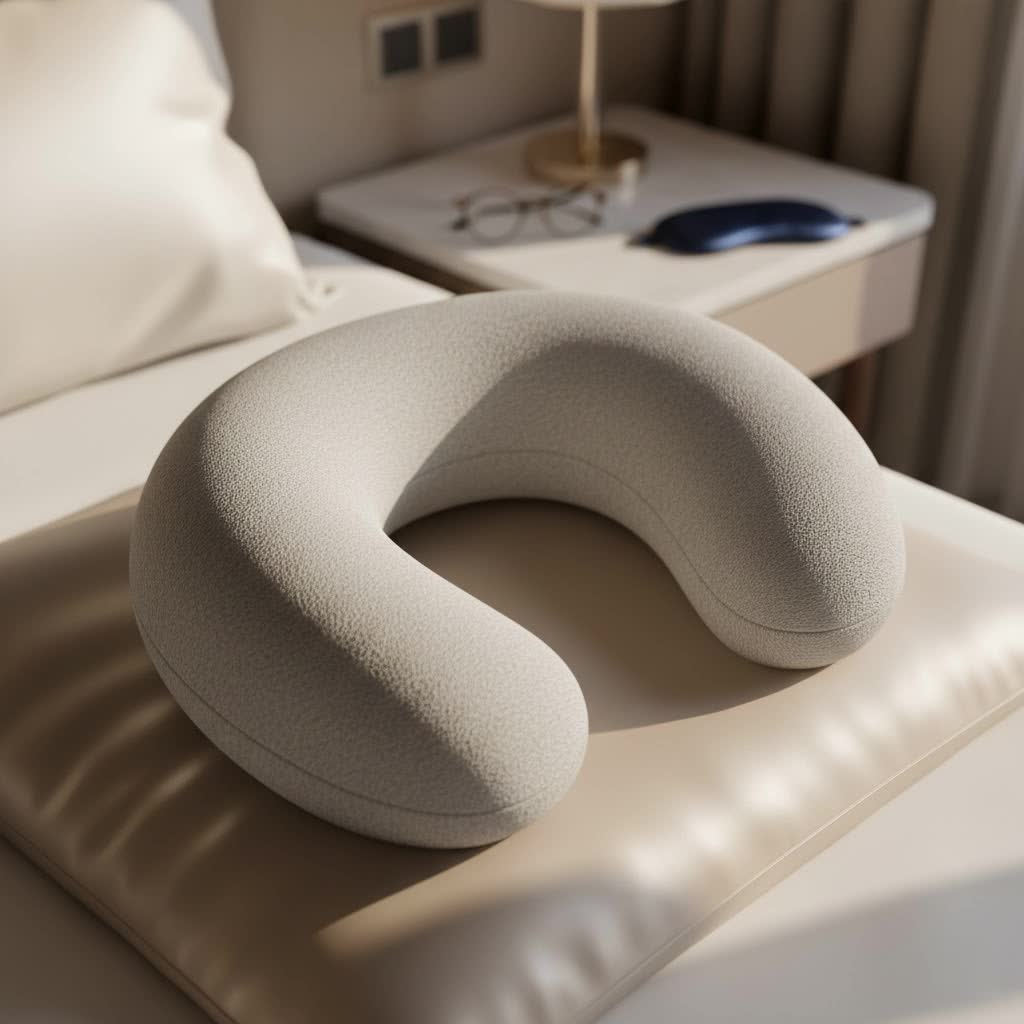
Do you often wake up with a stiff neck, persistent aches, or a feeling of unrest, despite a full night’s sleep? The culprit might not be your mattress, but rather the very pillow supporting your head. A quality neck pillow isn’t just a luxury; it’s a vital component for maintaining spinal health, alleviating pain, and unlocking the deep, restorative sleep you deserve. This comprehensive guide will navigate the world of neck pillows, helping you understand their benefits, explore popular types and materials, and ultimately choose the perfect companion for your nightly slumber.
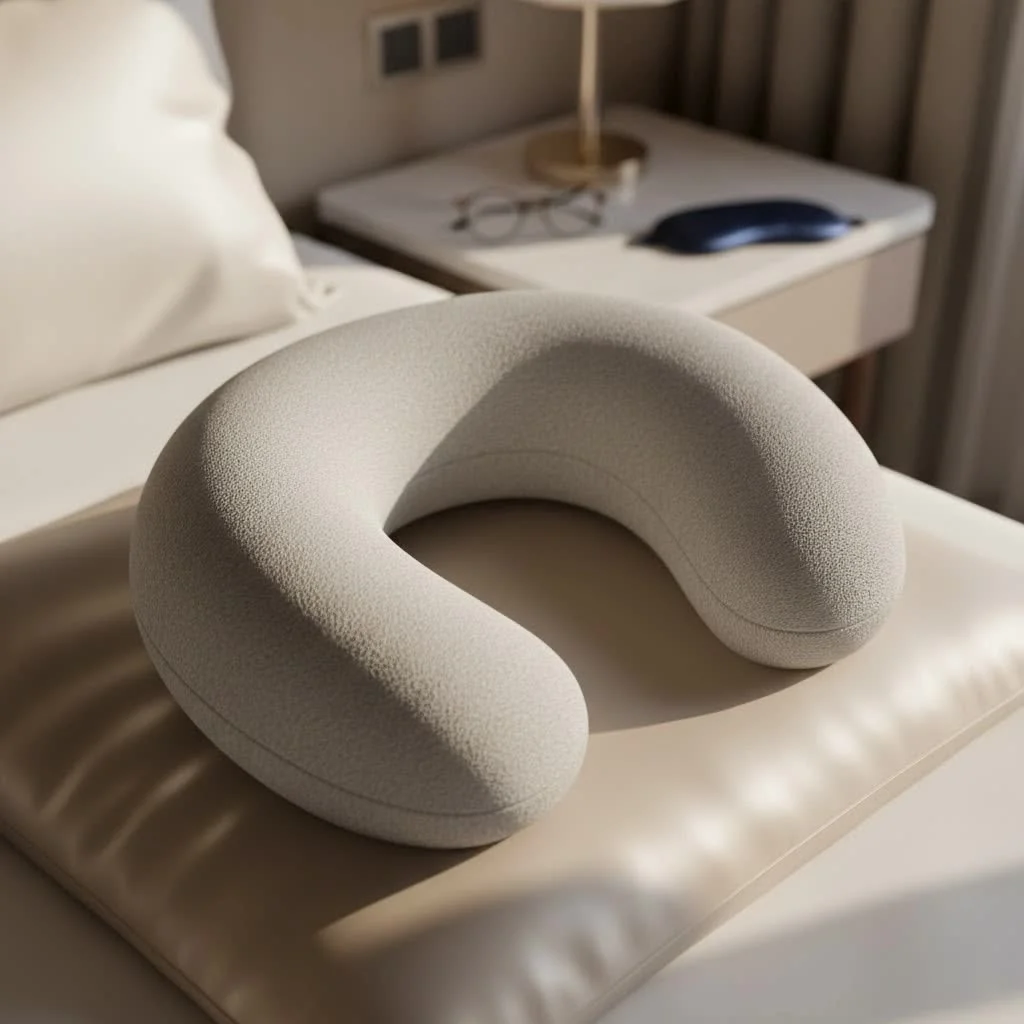
What Exactly is a Neck Pillow?
A neck pillow, often referred to as a cervical or orthopedic pillow, is specifically designed to support the natural curve of your cervical spine—the upper part of your backbone that forms your neck. Unlike traditional pillows that primarily cushion your head, neck pillows aim to maintain neutral spinal alignment, ensuring your head and neck rest in a position similar to how they are when you are standing comfortably. This ergonomic design helps alleviate pressure, reduces muscle strain, and promotes proper posture throughout the night.
Why You Need a Dedicated Neck Pillow for Sleeping
Investing in the right neck pillow can profoundly improve your sleep and overall well-being. The benefits extend far beyond simple comfort, addressing fundamental physiological needs for healthy rest.
Health Benefits of Using a Neck Pillow
- Alleviates Neck Pain and Stiffness: By supporting the natural curve of your neck, a good neck pillow prevents unnatural bending or straining, significantly reducing morning pain and stiffness.
- Improves Spinal Alignment and Posture: It works to keep your head, neck, and spine in a neutral, aligned position, which is crucial for overall musculoskeletal health and can prevent long-term issues.
- Enhances Sleep Quality: With proper support, your muscles and ligaments can fully relax, leading to deeper, more restful sleep and improving mental sharpness upon waking.
- Reduces Muscle and Joint Strains: Correct alignment minimizes tension on joints and muscles, decreasing the likelihood of strains and sprains that can accumulate over time.
- May Help with Snoring and Sleep Apnea: By maintaining an open airway, certain neck pillows can help reduce snoring and alleviate symptoms of mild sleep apnea, benefiting both you and your sleep partner.
Who Benefits Most from a Neck Pillow?
While beneficial for almost anyone, neck pillows are particularly impactful for:
- Individuals experiencing chronic neck pain, stiffness, or frequent headaches.
- Side and back sleepers who need specific support to maintain spinal alignment.
- People looking to improve their overall sleep posture and prevent future issues.
- Those recovering from neck injuries or dealing with conditions like degenerative disc disease.
Popular Types of Neck Pillows and Their Materials
The market offers a diverse array of neck pillows, each distinguished by its shape, material, and intended use. Understanding these variations is key to finding your ideal match.
U-Shaped Neck Pillows
|
Our Picks for the Best Neck Pillow in 2026
As an Amazon Associate I earn from qualifying purchases.
|
||
| Num | Product | Action |
|---|---|---|
| 1 | Ultra Pain Relief Cooling Pillow for Neck Support, Adjustable Cervical Pillow Cozy Sleeping, Odorless Ergonomic Contour Memory Foam Pillows, Orthopedic Bed Pillow for Side Back Stomach Sleeper |

|
| 2 | Ultra Pain Relief Cooling Pillow for Neck Support, Adjustable Cervical Pillow Cozy Sleeping, Odorless Ergonomic Contour Memory Foam Pillows, Orthopedic Bed Pillow for Side Back Stomach Sleeper |
|
| 3 | Cervical Memory Foam Pillow – Ergonomic Neck Support for Side, Back & Stomach Sleepers - Odorless Beauty Sleep Pillow for Deep Rest (Light Grey, King Size 24.8" Lx16.9 Wx5.9 H) |
|
| 4 | SAIREIDER Neck Pillows for Travel-Head Neck Support Travel Pillow for Traveling, Car, Home, Office Adjustable(Navy Blue) |
|
| 5 | SAIREIDER Travel Pillows for Sleeping Airplane 100% Pure Memory Foam Neck Pillow for Airplanes Washable Cover(Grey) |
|
| 6 | Ultra Pain Relief Cooling Pillow for Neck Support, Adjustable Cervical Pillow Cozy Sleeping, Odorless Ergonomic Contour Memory Foam Pillows, Orthopedic Bed Pillow for Side Back Stomach Sleeper |
|
| 7 | SAIREIDER Travel Neck Pillow 100% Pure Memory Foam Airplane Pillow for Head Support,Soft Adjustable Pillow for Plane, Car & Home Recliner (Pink) |
|
| 8 | SAIREIDER Travel Pillows for Sleeping Airplane 100% Pure Memory Foam Neck Pillow for Airplanes Washable Cover with Storage Bag (Grey) |
|
| 9 | SAIREIDER Travel Pillow 100% Pure Memory Foam Travel Neck Pillow with Storage Bag, Airplane Pillow for Traveling、Car、Home、Office,Washable Cover(Black) |
|
| 10 | SAIREIDER Travel Pillow 100% Pure Memory Foam Travel Neck Pillow, Airplane Pillow for Traveling、Car、Home、Office,Washable Cover(Black) |
|
While commonly called “neck pillows,” U-shaped designs are primarily for travel or upright sitting. They offer lateral support to prevent your head from flopping sideways, but they are not typically designed for maintaining proper spinal alignment during a full night’s sleep in a bed.
- Pros: Portable, provides support during travel, helps prevent head tilt.
- Cons: Not suitable for most nightly sleeping positions, can push the head forward if too bulky.
- Best for: Airplane travel, car rides, or short periods of upright rest.
Cylindrical or Bolster Neck Pillows
These pillows are typically tube-shaped and are versatile for various support needs. For sleeping, they are often placed directly under the neck to fill the natural curve, sometimes in conjunction with a flatter head pillow.
- Pros: Provides targeted support for the neck’s curve, can be used for lumbar or knee support.
- Cons: May not offer comprehensive head support, can feel too firm for some.
- Best for: Back sleepers needing specific cervical curve support.
Memory Foam Neck Pillows
Memory foam, a viscoelastic polyurethane foam, is renowned for its ability to contour precisely to the shape of your head and neck.
- Pros: Excellent pressure relief, adaptive support that cradles your unique contours, consistent firmness.
- Cons: Can retain body heat (though many now include cooling features), may have an initial “off-gassing” odor.
- Best for: Back and side sleepers seeking firm, adaptive support and significant pressure relief, especially those with chronic neck pain.
Latex Neck Pillows
Latex pillows are made from natural or synthetic rubber, offering a distinct feel from memory foam.
- Pros: Highly responsive and resilient, offers buoyant support, very durable, often more breathable and hypoallergenic than memory foam.
- Cons: Can be pricier, heavier, and may have a unique natural scent.
- Best for: Those who prefer a bouncier feel, need consistent support, or suffer from allergies. Shredded latex options offer some adjustability.
Adjustable Fill Neck Pillows
These pillows allow you to customize their loft (height) and firmness by adding or removing fill material, which can include shredded memory foam, kapok, buckwheat hulls, or down alternative fibers.
- Pros: Highly customizable to your exact preferences and sleep position, offering personalized support.
- Cons: May require some experimentation to find your ideal fill level.
- Best for: All sleep positions, particularly individuals with very specific height or firmness requirements, or those who are unsure of their ideal pillow.
Comparison Table of Popular Neck Pillow Types
| Type | Primary Material | Comfort | Support | Durability | Price Range | Key Features | Best For |
|---|---|---|---|---|---|---|---|
| U-Shaped (Travel) | Foam, microbeads | Soft to medium | Moderate | Varies | Low-Medium | Portability, lateral head support | Travel, upright resting |
| Cylindrical (Bolster) | Foam, buckwheat | Firm | Targeted | Good | Medium | Specific neck curve support, versatile use | Targeted cervical support, back sleepers |
| Memory Foam | Viscoelastic foam | Adaptive, contouring | Excellent | Excellent | Medium-High | Pressure relief, body-conforming | Back & Side sleepers, chronic pain |
| Latex | Natural/Synthetic rubber | Responsive, firm | Excellent | Superior | High | Breathable, hypoallergenic, buoyant support | Back & Side sleepers, allergy sufferers |
| Adjustable Fill | Shredded foam/latex, kapok | Customizable | Customizable | Good | Medium-High | Personalized loft and firmness | All positions, specific needs, combination sleepers |
How to Choose the Perfect Neck Pillow for Your Sleep
Selecting the best neck pillow is a personalized journey, deeply influenced by your unique sleeping habits and physical needs. Here’s a detailed guide to help you make an informed decision:
Identify Your Primary Sleeping Position
Your sleep posture is the most critical factor in determining the right pillow.
- Side Sleepers: You typically need a higher loft and firmer pillow. The pillow must fill the gap between your shoulder and head, keeping your spine in a straight, neutral line. A curved or contoured pillow can often accommodate the shoulder comfortably.
- Back Sleepers: Opt for a medium loft pillow that cradles the natural curve of your neck without pushing your head too far forward. Pillows that mold to your head and neck, offering gentle contouring, are ideal.
- Stomach Sleepers: This position is generally discouraged due to the strain it places on the neck and spine. If you must sleep on your stomach, choose a very low loft and soft pillow, or consider sleeping without one altogether, to prevent hyperextension of the neck.
Consider Pillow Loft (Height) and Firmness
Loft refers to the pillow’s height, and firmness indicates its density and resistance.
- Loft: The ideal loft ensures your head and neck are aligned with your spine. A pillow that’s too high or too low can cause discomfort. Side sleepers typically need higher lofts, while back sleepers need medium.
- Firmness: The pillow should be firm enough to provide adequate support, preventing your head from sinking too much, but not so hard that it causes pressure points. Medium-firm is often a good balance for many.
Choose the Right Material
Each material offers distinct properties impacting comfort, support, and temperature.
- Memory Foam: Excellent for deep contouring and pressure relief, ideal for those seeking a “hugging” sensation. Look for gel-infused or open-cell varieties if you tend to sleep hot.
- Latex: Offers responsive, buoyant support and tends to be more breathable than traditional memory foam. A great choice for those who move frequently or prefer natural materials.
- Adjustable Fill: If customization is your priority, pillows with shredded foam, kapok, or buckwheat fill allow you to fine-tune the loft and firmness to your exact preference.
- Cooling Properties: If you’re a hot sleeper, prioritize pillows with breathable covers (like cotton or bamboo), gel infusions, or materials like latex that naturally dissipate heat.
Evaluate Pillow Shape
Beyond traditional rectangular pillows, specialized shapes can offer enhanced support.
- Contoured/Cervical Pillows: These often have a dip for the head and a raised ridge for the neck, specifically designed to support the cervical curve.
- Crescent-shaped Pillows: Ideal for side sleepers, these are designed to accommodate the shoulder, allowing for better neck alignment.
Check for Certifications and Warranties
Reputable certifications ensure the safety and quality of materials, such as CertiPUR-US for foams (indicating absence of harmful chemicals) or GOTS for organic textiles. A generous trial period (e.g., 30-100 nights) and a warranty are strong indicators of a manufacturer’s confidence in their product and allow you to test the pillow’s suitability risk-free.
Factor in Your Mattress Firmness
Your mattress firmness plays a role in how much your body sinks, which in turn affects the required pillow height. A softer mattress will allow your body to sink more, potentially requiring a slightly lower loft pillow to maintain spinal alignment, while a firmer mattress might necessitate a higher pillow.
Top Neck Pillows for Restful Sleep in 2026
Based on extensive research and expert recommendations, here are some of the most highly-regarded neck pillows designed for improving sleep quality and alleviating neck pain:
- Tempur-Pedic TEMPUR-Neck Pillow: Renowned for its ergonomic, firm support, this memory foam pillow contours precisely to your neck and head. Its patented TEMPUR material provides exceptional pressure relief and maintains its shape throughout the night, making it an excellent choice for those with chronic neck pain, particularly back and side sleepers.
- Saatva Latex Pillow: A luxurious blend of shredded Talalay latex and down-alternative fill, the Saatva Latex Pillow offers responsive, buoyant support that’s also highly breathable. It provides a comfortable yet firm foundation, ideal for those seeking a supportive pillow with a plush feel and cooling properties.
- Coop Home Goods Original Adjustable Pillow: This highly popular pillow features an adjustable fill of shredded memory foam and microfiber. Its customizable nature allows you to add or remove fill to achieve your perfect loft and firmness, making it versatile for all sleep positions, especially beneficial for side sleepers and those with specific support needs.
- Eli & Elm Side Sleeper Pillow: Uniquely designed with a crescent shape, this pillow cradles your shoulder while you sleep on your side, ensuring optimal neck and spinal alignment. Its latex and polyester blend fill offers supportive yet pressure-relieving comfort, specifically tailored to the contours of side sleepers.
- Avocado Green Pillow: For the eco-conscious sleeper, the Avocado Green Pillow is crafted with organic kapok and shredded GOLS-certified organic latex. This adjustable pillow combines the softness of kapok with the resilience of latex, offering a sustainable and supportive option suitable for a wide range of sleepers, including back, side, and even stomach sleepers if adjusted properly.
Where to Buy Your Best Neck Pillow
Finding the right neck pillow is an investment in your health, and knowing where to purchase it can impact your overall experience.
- Specialty Sleep Stores: These stores often have knowledgeable staff who can guide you through different options and allow you to test pillows in person, which is invaluable for assessing comfort and support.
- Online Retailers (Brand Websites & Marketplaces): Websites like Amazon, as well as direct-to-consumer brand sites, offer a vast selection, competitive pricing, and often detailed customer reviews. Be sure to check for clear return policies and trial periods when buying online.
- Department Stores: While their selection might be more limited compared to specialty stores or online platforms, department stores can be convenient for hands-on evaluation of common brands.
When purchasing, always prioritize retailers that offer a generous trial period and a solid warranty. This allows you to truly test the pillow in your own sleeping environment and ensure it meets your needs.
Caring for Your Neck Pillow: Cleaning and Maintenance
Proper care and maintenance will extend the life of your neck pillow and maintain its hygienic properties. Always refer to the manufacturer’s specific instructions, as care varies significantly by material.
- Pillow Protectors: Using a washable pillow protector is highly recommended. It acts as a barrier against sweat, oils, dust mites, and allergens, significantly prolonging the life and cleanliness of your pillow.
- Washing: Many neck pillows, especially those made of solid memory foam or latex, are spot-clean only. Their removable covers are typically machine washable. For pillows with shredded or fiberfill, check if the entire pillow is machine washable; if so, use a gentle cycle with mild detergent and ensure it’s thoroughly dried to prevent mildew.
- Fluffing: For pillows with adjustable or fiber fills, regular fluffing helps maintain their loft and even distribution of material, preventing flat spots and ensuring consistent support.
- Replacement: Experts generally recommend replacing your neck pillow every one to two years. However, if your pillow loses its shape, becomes lumpy, or no longer provides adequate support, it’s time for a replacement, regardless of its age.
Conclusion
The pursuit of restorative sleep is a cornerstone of overall health, and the importance of a properly supportive neck pillow cannot be overstated. By understanding your unique sleeping position, exploring the diverse materials and designs available, and prioritizing quality and adjustability, you can select a neck pillow that aligns your spine, alleviates discomfort, and paves the way for truly rejuvenating nights. Investing in the best neck pillow for sleeping isn’t just about comfort; it’s about investing in your long-term well-being. Are you ready to improve your sleep and wake up refreshed and pain-free every morning?
Frequently Asked Questions
What is the ideal pillow height for neck pain?
The ideal pillow height for neck pain depends heavily on your sleeping position. Side sleepers typically require a higher, firmer pillow to fill the gap between their shoulder and head, while back sleepers need a medium-height, contoured pillow to support the natural curve of their neck without pushing their head too far forward. Stomach sleepers are generally advised to use a very thin or no pillow.
Can a neck pillow help with snoring?
Yes, a properly supportive neck pillow can contribute to reducing snoring. By maintaining optimal spinal alignment, particularly in the cervical region, it helps keep your airways open and clear, facilitating easier breathing and potentially minimizing snoring.
How often should I replace my neck pillow?
It is generally recommended to replace your neck pillow every one to two years. However, if your pillow loses its supportive qualities, becomes lumpy, or no longer springs back to its original shape, it’s advisable to replace it sooner to ensure continued neck support and hygiene.
Is memory foam or latex better for a neck pillow?
Both memory foam and latex are excellent choices for neck pillows, each offering distinct advantages. Memory foam excels in deep contouring and pressure relief, providing a custom-molded feel. Latex, on the other hand, offers more responsive, buoyant support, is highly durable, and often boasts better breathability. The “better” option comes down to personal preference for firmness, feel, and temperature regulation.
Can stomach sleepers use a neck pillow?
For stomach sleepers, it is generally advised to use a very thin, soft pillow or, ideally, no pillow at all. This position can hyperextend the neck and put strain on the cervical spine, so most traditional neck pillows designed for side or back sleepers are not suitable and can worsen discomfort.
Get our weekly buyer guide
Practical specs, not advice. Unsubscribe anytime.

I was really hoping a new neck pillow would solve my persistent aches, but I’m still on the fence. I got one in the mid-range price point, and while it’s better than my old flat pillow, I still feel some discomfort. Maybe I need to try a different type or shape, as the one I picked isn’t quite supporting my neck curve perfectly. It’s not bad, just not the miracle cure I was hoping for.
This pillow has been a game changer for my sleep! I used to toss and turn all night, never feeling truly rested. Since switching to a neck pillow designed for side sleepers, I’ve noticed a huge improvement in my sleep quality. It really does support the natural curve of my spine and I wake up feeling refreshed instead of unrested. Highly recommend!
I’ve tried a few different orthopedic pillows over the years, and this guide really helped me understand the different materials. I ended up getting one with memory foam, and it’s been pretty good. It took a couple of nights to get used to the different feel compared to my old pillow, but now I’m getting much more restorative sleep. My only minor complaint is that it can feel a little warm sometimes.
I used to wake up with such a stiff neck every single morning, it was unbearable. After reading about how important spinal alignment is, I finally invested in a good cervical pillow. It’s made such a difference! I’m sleeping so much better and the morning aches are practically gone. Definitely worth it for anyone struggling with neck pain.