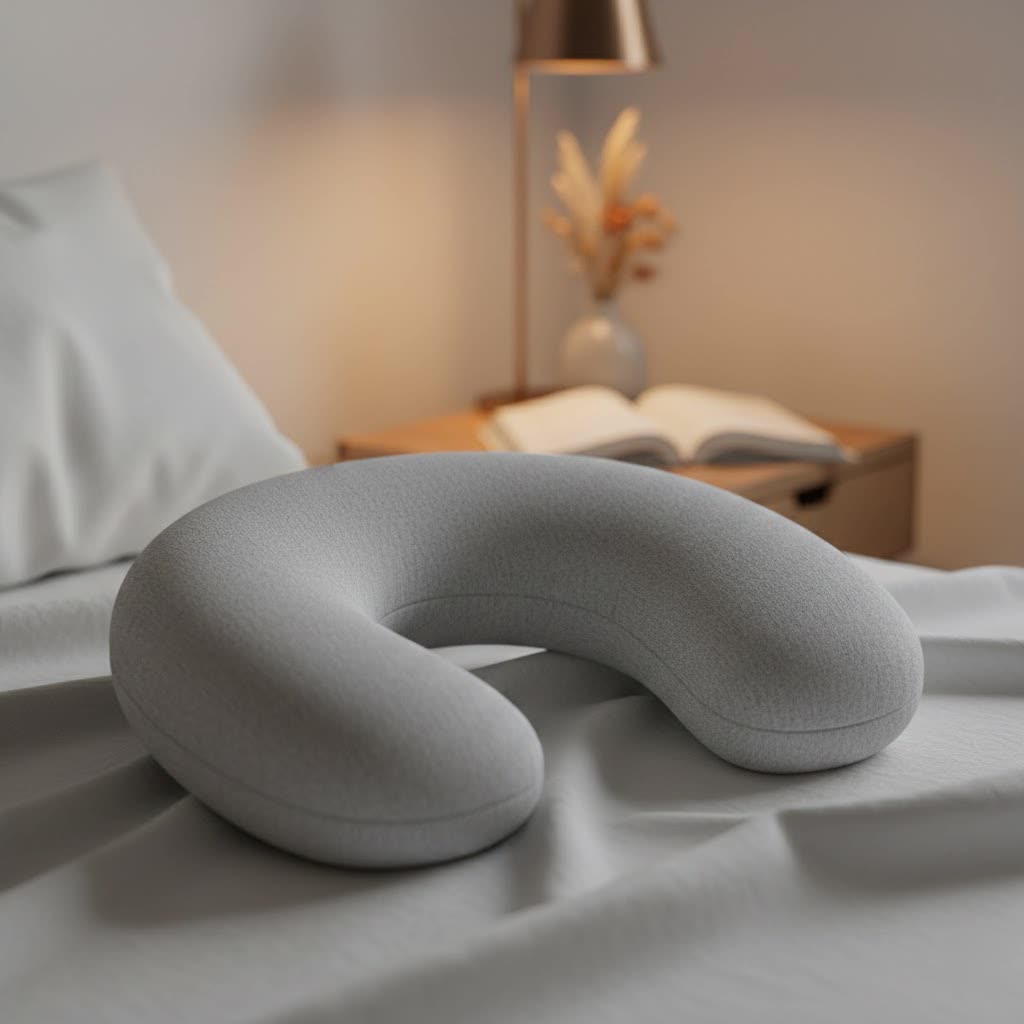
Waking up with a stiff neck or throbbing shoulder pain can derail your entire day, turning what should be a restful night into a source of discomfort. Many factors contribute to these aches, but an often-overlooked culprit is your pillow. Choosing the best neck pillow for neck pain and shoulder pain is crucial for achieving restorative sleep and maintaining optimal spinal health. This guide will walk you through everything you need to know to find the ideal neck pillow, transforming your nights and invigorating your mornings.
What is a Neck Pillow?
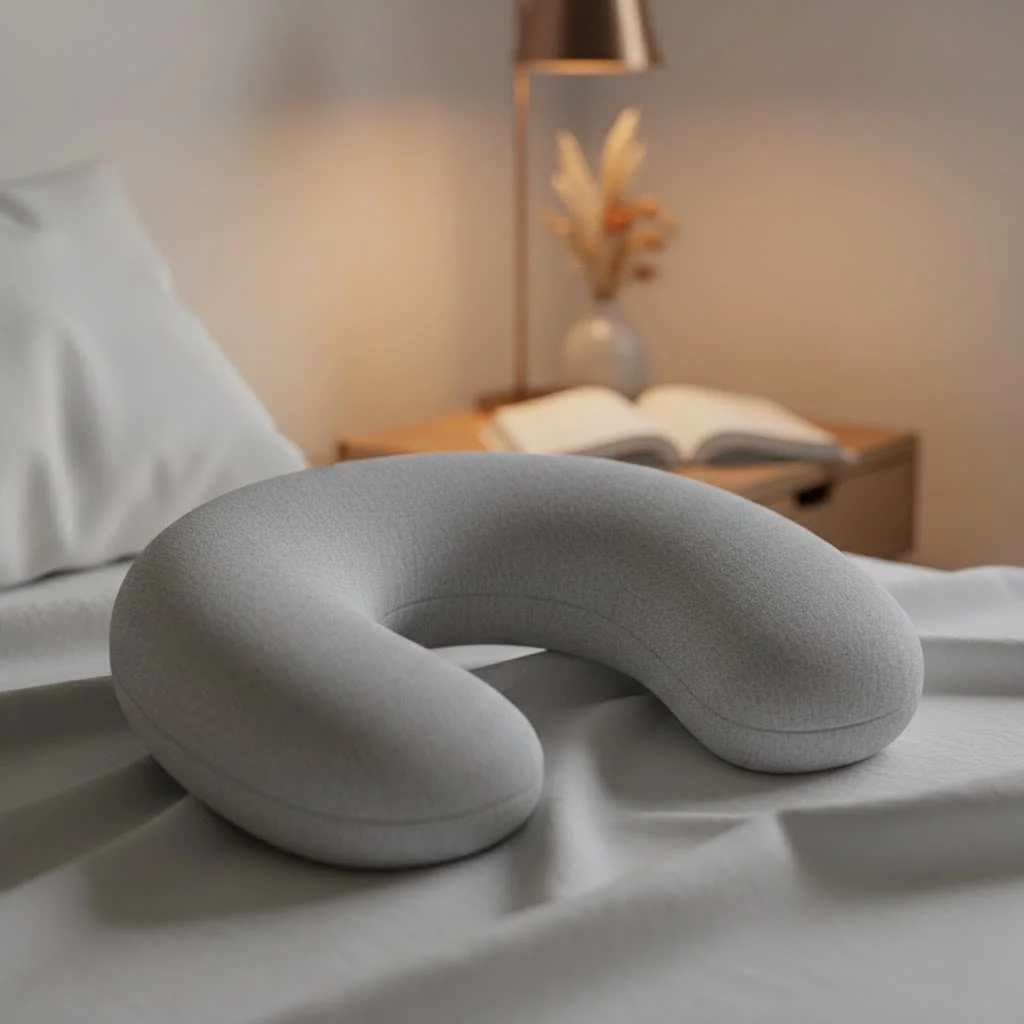
A neck pillow, often referred to as a cervical or orthopedic pillow, is specifically engineered to support the natural curve of your neck and align your spine during sleep. Unlike traditional pillows that may flatten or lose their shape, neck pillows are designed to cradle your head while providing consistent support to your cervical spine. Their primary function is to fill the gap between your head and shoulders, preventing awkward sleeping positions that lead to strain and pain.
These specialized pillows come in various shapes and materials, each offering unique benefits tailored to different sleep positions and preferences. From contoured designs that fit your body’s natural curves to adjustable options that customize firmness and loft, neck pillows are more than just a place to rest your head—they are a vital tool for promoting healthy sleep posture.
Why Do You Need a Neck Pillow for Neck and Shoulder Pain?
The benefits of using an appropriate neck pillow extend far beyond simple comfort. For individuals experiencing neck and shoulder pain, a supportive pillow can be a game-changer for overall well-being.
- Alleviates Pain: The most significant advantage is the reduction or elimination of neck and shoulder pain. By maintaining proper spinal alignment, these pillows relieve pressure on sensitive nerves and muscles, minimizing tension and soreness upon waking.
- Improves Sleep Quality: When your neck and spine are properly supported, your body can fully relax, leading to deeper, more restorative sleep. This improved sleep quality contributes to better mood, increased energy, and enhanced cognitive function.
- Corrects Posture: Consistent use of a neck pillow helps reinforce healthy sleep posture, which can, in turn, positively influence your posture during waking hours. This is particularly beneficial for those who spend long hours at a desk or experience “tech neck.”
- Reduces Snoring and Sleep Apnea Symptoms: In some cases, proper head and neck alignment can help keep airways open, potentially reducing snoring and alleviating symptoms associated with mild sleep apnea.
- Prevents Future Issues: Investing in a good neck pillow isn’t just about addressing current pain; it’s about preventing future musculoskeletal issues. Maintaining spinal health through supportive sleep is a proactive step towards long-term comfort.
Individuals who work in offices, travel frequently, or have existing conditions like arthritis or herniated discs are particularly strong candidates for using a neck pillow. Even those without chronic pain can benefit from the enhanced support and improved sleep quality they offer.
Popular Types of Neck Pillows for Pain Relief
The market offers a diverse range of neck pillows, each with distinct features. Understanding these types is the first step in identifying which one best suits your specific needs.
Contoured (Cervical/Orthopedic) Pillows
|
Our Picks for the Best Neck Pillow in 2026
As an Amazon Associate I earn from qualifying purchases.
|
||
| Num | Product | Action |
|---|---|---|
| 1 | SAIREIDER Travel Pillows for Sleeping Airplane 100% Pure Memory Foam Neck Pillow for Airplanes Washable Cover with Storage Bag (Grey) |

|
| 2 | SAIREIDER Travel Pillow 100% Pure Memory Foam Travel Neck Pillow with Storage Bag, Airplane Pillow for Traveling、Car、Home、Office,Washable Cover(Black) |
|
| 3 | SAIREIDER Neck Pillows for Travel-Head Neck Support Travel Pillow for Traveling, Car, Home, Office Adjustable(Navy Blue) |
|
| 4 | Cervical Memory Foam Pillow – Ergonomic Neck Support for Side, Back & Stomach Sleepers - Odorless Beauty Sleep Pillow for Deep Rest (Light Grey, King Size 24.8" Lx16.9 Wx5.9 H) |
|
| 5 | SAIREIDER Travel Pillow 100% Pure Memory Foam Travel Neck Pillow, Airplane Pillow for Traveling、Car、Home、Office,Washable Cover(Black) |
|
| 6 | Ultra Pain Relief Cooling Pillow for Neck Support, Adjustable Cervical Pillow Cozy Sleeping, Odorless Ergonomic Contour Memory Foam Pillows, Orthopedic Bed Pillow for Side Back Stomach Sleeper |
|
| 7 | SAIREIDER Travel Pillows for Sleeping Airplane 100% Pure Memory Foam Neck Pillow for Airplanes Washable Cover(Grey) |
|
| 8 | Ultra Pain Relief Cooling Pillow for Neck Support, Adjustable Cervical Pillow Cozy Sleeping, Odorless Ergonomic Contour Memory Foam Pillows, Orthopedic Bed Pillow for Side Back Stomach Sleeper |
|
| 9 | SAIREIDER Travel Neck Pillow 100% Pure Memory Foam Airplane Pillow for Head Support,Soft Adjustable Pillow for Plane, Car & Home Recliner (Pink) |
|
| 10 | Ultra Pain Relief Cooling Pillow for Neck Support, Adjustable Cervical Pillow Cozy Sleeping, Odorless Ergonomic Contour Memory Foam Pillows, Orthopedic Bed Pillow for Side Back Stomach Sleeper |
|
Contoured pillows are perhaps the most recognizable type designed for neck pain. They typically feature a wave-like or butterfly shape with a raised area to support the neck and a dip for the head.
- Pros:
- Excellent for maintaining natural cervical curve.
- Provides targeted support to the neck and head.
- Often recommended by chiropractors and physical therapists.
- Ideal for back and side sleepers.
- Cons:
- May not be comfortable for stomach sleepers.
- Requires an adjustment period.
- Less versatile for those who change positions frequently.
- Best For: Individuals with chronic neck pain, whiplash recovery, or those seeking precise spinal alignment.
Memory Foam Pillows
Memory foam is a popular material known for its ability to conform to the unique shape of your head and neck, offering personalized pressure relief. These can be solid blocks of foam or shredded foam.
- Pros:
- Molds to your body, distributing weight evenly.
- Excellent pressure relief and support.
- Durable and maintains shape over time.
- Hypoallergenic.
- Cons:
- Can sometimes retain heat (though many modern versions incorporate cooling technologies).
- May have a slight off-gassing smell initially.
- Solid memory foam is not adjustable.
- Best For: All sleep positions, especially those needing consistent, conforming support. Shredded memory foam offers adjustability.
Latex Pillows
Latex pillows are made from the sap of rubber trees, offering a natural and resilient alternative to memory foam. They provide a balance of firmness and responsiveness.
- Pros:
- Naturally hypoallergenic and resistant to dust mites.
- Highly durable and retains shape well.
- Offers firm yet flexible support.
- Generally cooler than traditional memory foam.
- Cons:
- Can be more expensive.
- May have a distinct natural odor.
- Less conforming than memory foam.
- Best For: Those seeking a natural, hypoallergenic option with resilient, consistent support; hot sleepers.
Adjustable Pillows
Adjustable pillows allow you to customize the firmness and loft by adding or removing fill material, often shredded memory foam, latex, or a blend.
- Pros:
- Highly customizable to your preferred height and firmness.
- Accommodates various sleep positions and body types.
- Ideal for those unsure of their exact pillow needs.
- Cons:
- Adjusting the fill can be messy.
- May require an experimentation period to find the perfect loft.
- Best For: Combination sleepers, individuals with fluctuating pain levels, or those seeking ultimate personalization.
Water Pillows
Water pillows feature a water-filled base that conforms to your head and neck, allowing you to adjust the firmness by adding or removing water.
- Pros:
- Provides highly customizable and dynamic support.
- Automatically adjusts to your head movements.
- Offers good pressure relief.
- Cons:
- Can be heavy and less portable.
- Potential for leaks, though rare with quality products.
- Water temperature can affect comfort.
- Best For: Those needing highly adaptable support and customized firmness.
Comparison Table: Key Pillow Types for Neck & Shoulder Pain
| Feature | Contoured/Cervical | Memory Foam | Latex | Adjustable | Water Pillow |
|---|---|---|---|---|---|
| Material | Foam (often memory) | Viscoelastic Polyurethane | Natural/Synthetic Latex | Shredded Foam/Latex/Fiber | Water Base, Foam/Fiber top |
| Support | Targeted, firm contour | Conforming, pressure-relieving | Resilient, firm yet flexible | Customizable, adaptable | Dynamic, customizable |
| Comfort | Specific, can take adjustment | Cradling, slow-response | Bouncy, responsive | Personalized | Fluid, adapts to movement |
| Durability | High | High | Very High | Medium to High | Medium to High |
| Adjustability | Low (some have inserts) | Low (solid), High (shredded) | Low | Very High | Very High |
| Heat Retention | Moderate | Can retain heat (varies) | Low | Low to Moderate | Low (can be cooling) |
| Best For | Back & Side sleepers with chronic pain | All sleepers, pressure relief | Allergy sufferers, resilient support | All sleepers, custom fit | All sleepers, dynamic support |
| Pros | Spinal alignment, targeted pain relief | Hugs curves, durable, hypoallergenic | Natural, durable, cool, hypoallergenic | Versatile, perfect fit | Adapts to movement, customizable |
| Cons | Not for stomach sleepers, adjustment period | Can sleep hot, initial odor | Pricey, distinct odor | Messy to adjust | Heavy, potential leaks |
How to Choose the Right Neck Pillow for You
Selecting the perfect neck pillow requires a personalized approach. Consider these factors to ensure your choice effectively addresses your neck and shoulder pain.
1. Identify Your Sleep Position
Your primary sleep position is the most critical factor in pillow selection, as it dictates the necessary loft and firmness to maintain spinal alignment.
- Side Sleepers: Need a firmer, higher-loft pillow to fill the space between your ear and shoulder, keeping your head and neck aligned with your spine. A pillow with a shoulder cut-out or crescent shape can also be beneficial.
- Back Sleepers: Require a medium-loft pillow with good neck support to maintain the natural curve of your cervical spine without pushing your head too far forward or letting it drop too low. Contoured or cervical pillows are often excellent choices.
- Stomach Sleepers: This position is generally not recommended for neck pain as it often involves twisting the neck. If you must sleep on your stomach, opt for a very soft, flat pillow or even no pillow at all to minimize strain. Some may benefit from placing a thin pillow under their hips to reduce lower back arching.
2. Choose the Right Material
The pillow’s fill material determines its feel, support, and other characteristics like cooling properties or allergen resistance.
- Memory Foam: Excellent for conforming support and pressure relief. Look for gel-infused or open-cell memory foam if you tend to sleep hot.
- Latex: Offers a bouncier, more resilient feel than memory foam. It’s naturally hypoallergenic and cooler, making it great for allergy sufferers or hot sleepers.
- Buckwheat: Provides extremely firm, adjustable support. The hulls allow for excellent airflow, keeping it cool. It can be noisy when adjusting.
- Down/Down Alternative: Soft and plush, but may not offer enough firm support for significant neck pain unless specifically designed with firm chambers.
3. Consider Loft and Firmness
Loft refers to the pillow’s height, while firmness describes how soft or hard it feels. Both are crucial for proper spinal alignment.
- Loft: Should match the gap between your head and the mattress, depending on your sleep position and shoulder width. Too high, and your neck will bend upwards; too low, and it will drop downwards.
- Firmness: Needs to be supportive enough to keep your head and neck aligned but comfortable enough to allow relaxation. “Medium-firm” is a common recommendation for neck pain. Adjustable pillows are great for fine-tuning this.
4. Look for Ergonomic Design Features
Many neck pillows incorporate specific designs to enhance support and comfort.
- Contoured Shapes: Like the wave or butterfly designs, these are tailored to support the natural curve of the neck.
- Shoulder Cut-outs: Ideal for side sleepers, allowing the shoulder to fit snugly into the pillow, reducing pressure and promoting alignment.
- Adjustable Inserts: Removable layers or shredded fill allow you to customize the pillow’s height and density.
5. Check for Certifications and Brand Reputation
Reputable brands often have certifications (e.g., CertiPUR-US for foam) that ensure materials are free from harmful chemicals. Reading user reviews and consulting expert recommendations can provide valuable insights into a pillow’s real-world performance and durability. A good warranty and trial period are also strong indicators of a brand’s confidence in its product.
“A common mistake people make is choosing a pillow based solely on softness. While comfort is important, effective neck pain relief hinges on adequate support that maintains spinal alignment.” – Dr. Alex Chen, Orthopedic Specialist
Top 5 Neck Pillows for Neck and Shoulder Pain
Based on extensive research and expert recommendations, here are some of the most highly-regarded neck pillows currently available that excel in alleviating neck and shoulder pain.
-
Tempur-Pedic TEMPUR-Neck Pillow:
- Pros: Ergonomic contoured shape provides excellent targeted cervical support, dense TEMPUR foam maintains shape, available in multiple sizes. Ideal for back and side sleepers.
- Cons: Can be firm, requires an adjustment period, not suitable for stomach sleepers, no trial period.
- Best For: Those needing robust, consistent cervical support and firm pressure relief.
-
Eli & Elm Side Sleeper Pillow:
- Pros: Unique U-shaped design perfectly accommodates the shoulder for side sleepers, adjustable latex/polyester fill, promotes excellent spinal alignment.
- Cons: Primarily designed for side sleepers, may not suit combination sleepers who frequently switch positions.
- Best For: Dedicated side sleepers with shoulder pain or those struggling to find alignment in that position.
-
Layla Kapok Pillow:
- Pros: Adjustable fill of shredded memory foam and Kapok fiber allows for customized loft and firmness, provides substantial support that molds to head, neck, and shoulders, good for combination sleepers.
- Cons: May require an adjustment period to find the ideal fill level.
- Best For: Individuals seeking adjustable comfort and comprehensive support for both neck and shoulder pain.
-
Coop Sleep Goods Original Adjustable Pillow:
- Pros: Highly customizable with shredded memory foam and microfiber fill, suitable for all sleep positions, machine washable cover and fill, excellent for pressure relief.
- Cons: Adjusting fill can be a bit messy.
- Best For: Call sleepers who want maximum adjustability and a plush yet supportive feel.
-
Osteo Cervical Pillow:
- Pros: Butterfly shape cradles the neck, made with supportive memory foam, comes with a removable insert for height adjustment, good for back and side sleepers.
- Cons: Not ideal for frequent position changers due to its distinct shape.
- Best For: Back and side sleepers seeking a dedicated cervical pillow with adjustable height.
Where to Buy Your Neck Pillow
Finding the right neck pillow is easier than ever with various reputable retailers offering a wide selection.
- Specialty Sleep Stores: Stores like Tempur-Pedic or other mattress retailers often have knowledgeable staff who can guide you through options and allow you to try pillows in person.
- Department Stores: Major department stores sometimes carry a selection of popular brands, though the range might be limited compared to specialty stores.
- Online Retailers: E-commerce giants like Amazon, as well as brand-specific websites (e.g., Eli & Elm, Coop Sleep Goods, Avocado Green Mattress), offer the widest variety, often with competitive pricing and detailed customer reviews.
- Tip for Online Shopping: Look for brands that offer generous trial periods (e.g., 30-100 nights) and clear return policies, as trying a pillow at home is the best way to determine its suitability.
How to Clean and Maintain Your Neck Pillow
Proper care extends the life of your neck pillow and maintains its hygienic properties. Always check the manufacturer’s specific care instructions, as materials vary.
- Covers: Most neck pillows come with removable, machine-washable covers. Wash these regularly according to the fabric care label, typically in cold water on a gentle cycle and tumble dry low.
- Memory Foam/Latex: These materials usually cannot be machine washed. Spot clean with a mild detergent and water, then air dry thoroughly away from direct sunlight. Ensure the pillow is completely dry before using it again to prevent mold or mildew.
- Shredded Fill: Some adjustable pillows with shredded fills (like Coop Sleep Goods) allow the entire pillow (or at least the inner fill bag) to be machine washed. Follow instructions carefully, often requiring low heat drying with dryer balls to fluff the fill.
- Protection: Using a pillow protector under your pillowcase can help shield the pillow from sweat, oils, and allergens, prolonging its cleanliness and lifespan.
- Fluffing: Regularly fluffing non-contoured pillows helps maintain their loft and even out the fill.
Conclusion
Choosing the best neck pillow for neck pain and shoulder pain is a significant step towards achieving better sleep and overall physical comfort. By understanding your unique sleep position, the characteristics of various pillow materials, and the importance of loft and firmness, you can make an informed decision. Investing in a high-quality neck pillow isn’t just about buying a product; it’s about investing in your health, ensuring your spine is properly aligned, and transforming restless nights into truly restorative sleep. Don’t let discomfort dictate your mornings any longer—discover the relief a perfect neck pillow can bring.
Ready to wake up refreshed and pain-free? What aspect of your pillow search will you prioritize first?
Frequently Asked Questions
What firmness level is best for neck pain?
For neck pain, a medium-firm to firm pillow is generally recommended. This level of firmness provides adequate support to maintain the natural curve of your neck and keeps your spine aligned without being too hard or too soft. Adjustable pillows can help you find your ideal firmness.
Can a pillow cause shoulder pain?
Yes, an unsupportive or inappropriate pillow can absolutely contribute to shoulder pain. If your pillow doesn’t properly fill the gap between your head and shoulder (especially for side sleepers), it can cause your neck to bend downwards, leading to strain that radiates into your shoulders and upper back.
How often should I replace my neck pillow?
The lifespan of a neck pillow varies by material, but generally, it should be replaced every 1-2 years for synthetic fills, and 2-4 years for memory foam or latex. If your pillow has lost its shape, developed lumps, or no longer provides adequate support, it’s time for a replacement.
Are cervical pillows good for all sleep positions?
Cervical pillows, with their contoured designs, are typically best suited for back and side sleepers. Their specific shape helps maintain spinal alignment in these positions. Stomach sleepers usually find contoured pillows uncomfortable and should opt for flatter, softer options or no pillow at all.
Is memory foam or latex better for neck pain?
Both memory foam and latex are excellent choices for neck pain, but they offer different feels. Memory foam provides a deep, conforming cradle, ideal for pressure relief. Latex offers a more responsive, resilient, and slightly bouncier support, often with better cooling properties. The “better” option depends on personal preference for feel and any specific needs like heat sensitivity or allergies.
Get our weekly buyer guide
Practical specs, not advice. Unsubscribe anytime.
