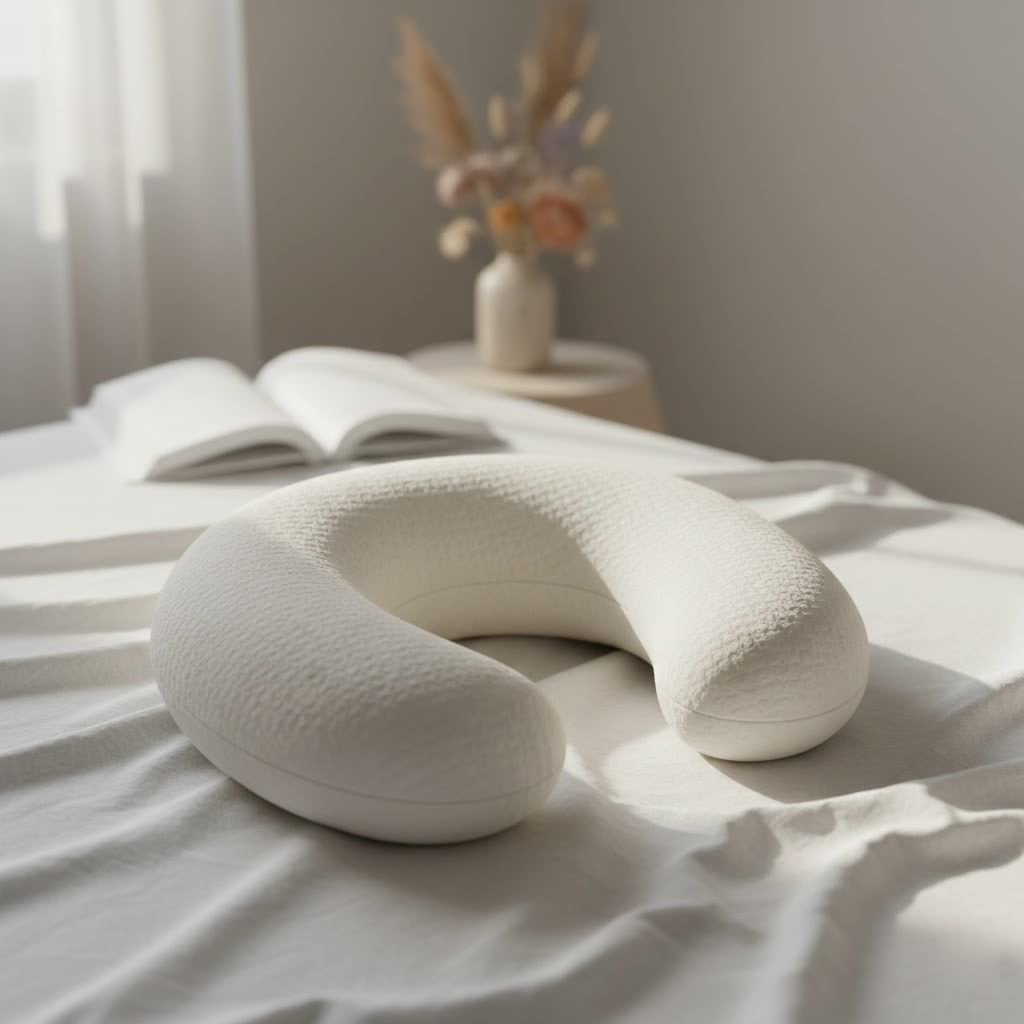
Waking up with a stiff, aching neck can turn the promise of a refreshing morning into a daily struggle. If you find yourself constantly adjusting your pillow or experiencing persistent neck and shoulder discomfort, it’s a clear signal that your current sleep setup might be working against you. The right pillow isn’t just about comfort; it’s a critical tool for maintaining proper spinal alignment, easing muscle tension, and ensuring restorative sleep. Choosing the best pillow for neck problems can be a game-changer, transforming your nights and invigorating your days.
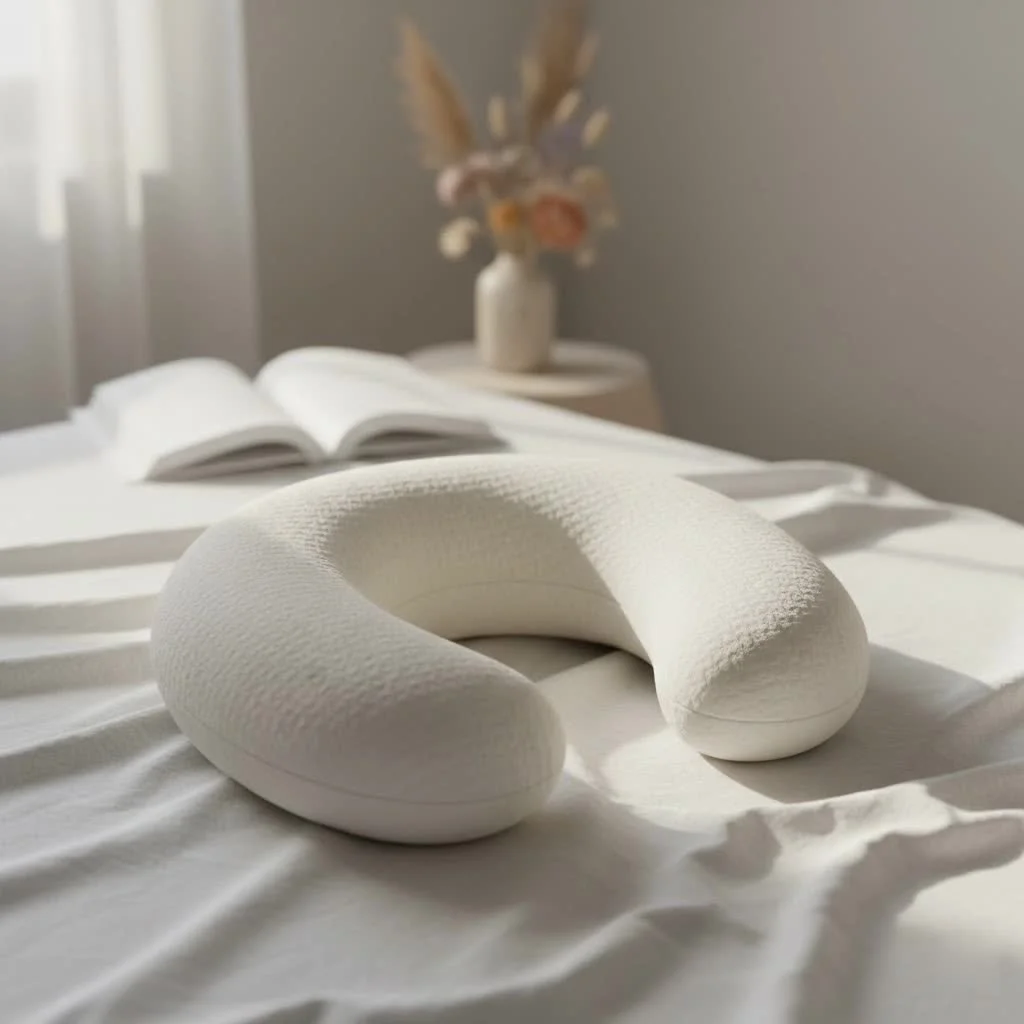
Understanding Neck Pillows: Your Guide to Better Sleep
A neck pillow, often referred to as a cervical or orthopedic pillow, is specifically engineered to support the natural curve of your neck (the cervical spine). Unlike traditional pillows that merely cushion your head, these specialized pillows actively promote a neutral spinal alignment, preventing your neck from bending at awkward angles throughout the night. This targeted support is crucial for alleviating existing pain and preventing new discomfort from developing.
Various types of neck pillows are available, each designed with unique materials and shapes to address different needs. From contouring memory foam to springy latex, and even adjustable options, the market offers a wide array of choices. Their primary purpose is consistent: to bridge the gap between your head and shoulders, keeping your spine in a healthy, neutral position regardless of your preferred sleeping posture.
Why a Specialized Pillow is Essential for Neck Pain
The benefits of using a pillow specifically designed for neck pain extend far beyond simple comfort. Chronic neck discomfort often stems from poor sleep posture, which can lead to misaligned vertebrae, muscle strain, and nerve compression. A supportive neck pillow works proactively to correct these issues.
Firstly, it significantly reduces or eliminates neck and shoulder pain by providing consistent support that keeps your cervical spine aligned. This alignment can also ease tension that radiates into the upper back, mitigating stiffness and soreness. Secondly, by promoting proper posture, these pillows can help reduce the frequency and intensity of tension headaches and even some types of migraines. Lastly, and perhaps most importantly, a pain-free neck translates to deeper, more uninterrupted sleep, allowing your body to fully recover and rejuvenate each night. Individuals who spend long hours at a desk, frequent travelers, or those with underlying spinal conditions like arthritis or disc degeneration will find a specialized neck pillow particularly beneficial.
Decoding Pillow Types: Finding Your Ideal Match
The world of neck pillows is diverse, with each material and design offering distinct advantages. Understanding these differences is key to selecting the pillow that will truly make a difference for your neck pain.
Memory Foam Pillows
|
Our Picks for the Best Neck Pillow in 2026
As an Amazon Associate I earn from qualifying purchases.
|
||
| Num | Product | Action |
|---|---|---|
| 1 | SAIREIDER Travel Pillow 100% Pure Memory Foam Travel Neck Pillow with Storage Bag, Airplane Pillow for Traveling、Car、Home、Office,Washable Cover(Black) |

|
| 2 | SAIREIDER Neck Pillows for Travel-Head Neck Support Travel Pillow for Traveling, Car, Home, Office Adjustable(Navy Blue) |
|
| 3 | Cervical Memory Foam Pillow – Ergonomic Neck Support for Side, Back & Stomach Sleepers - Odorless Beauty Sleep Pillow for Deep Rest (Light Grey, King Size 24.8" Lx16.9 Wx5.9 H) |
|
| 4 | Ultra Pain Relief Cooling Pillow for Neck Support, Adjustable Cervical Pillow Cozy Sleeping, Odorless Ergonomic Contour Memory Foam Pillows, Orthopedic Bed Pillow for Side Back Stomach Sleeper |
|
| 5 | Ultra Pain Relief Cooling Pillow for Neck Support, Adjustable Cervical Pillow Cozy Sleeping, Odorless Ergonomic Contour Memory Foam Pillows, Orthopedic Bed Pillow for Side Back Stomach Sleeper |
|
| 6 | SAIREIDER Travel Neck Pillow 100% Pure Memory Foam Airplane Pillow for Head Support,Soft Adjustable Pillow for Plane, Car & Home Recliner (Pink) |
|
| 7 | SAIREIDER Travel Pillow 100% Pure Memory Foam Travel Neck Pillow, Airplane Pillow for Traveling、Car、Home、Office,Washable Cover(Black) |
|
| 8 | SAIREIDER Travel Pillows for Sleeping Airplane 100% Pure Memory Foam Neck Pillow for Airplanes Washable Cover with Storage Bag (Grey) |
|
| 9 | SAIREIDER Travel Pillows for Sleeping Airplane 100% Pure Memory Foam Neck Pillow for Airplanes Washable Cover(Grey) |
|
| 10 | Ultra Pain Relief Cooling Pillow for Neck Support, Adjustable Cervical Pillow Cozy Sleeping, Odorless Ergonomic Contour Memory Foam Pillows, Orthopedic Bed Pillow for Side Back Stomach Sleeper |
|
Memory foam pillows are a popular choice due to their unique ability to conform precisely to the shape of your head and neck. This personalized contouring provides excellent pressure relief, cradling sensitive areas and distributing weight evenly.
- Pros: Exceptional pressure relief, molds to individual anatomy, excellent support for maintaining neutral alignment, reduces joint pressure.
- Cons: Can retain body heat, may have an initial “off-gassing” smell, can feel dense or firm to some users.
- Best for: Side and back sleepers who require close contouring support and pressure relief. Brands like Tempur-Pedic offer ergonomic shapes with dense foam to provide targeted support, while others like Epabo provide contoured options that cradle the neck effectively.
Latex Pillows
Latex pillows, derived from rubber tree sap, offer a more responsive and bouncy feel compared to memory foam. They are known for their durability and natural cooling properties.
- Pros: More responsive and resilient, naturally breathable and cooling, highly durable, resistant to dust mites and allergens.
- Cons: Can be more expensive than other types, some may find them too firm or bouncy, can have a distinct rubbery smell initially.
- Best for: Sleepers seeking resilient, consistent support and a cooler sleep surface. The Purple Harmony Pillow, for instance, uses a grid-layer over latex for cooling and support, making it suitable for a range of sleepers.
Down and Down Alternative Pillows
Down pillows, made from the soft undercoating of geese or ducks, are renowned for their plush, luxurious feel. Down alternative pillows aim to replicate this softness using synthetic fibers.
- Pros: Exceptionally soft and moldable, lightweight, offers a plush feel.
- Cons: Provides less firm support than foam or latex, may require frequent fluffing to maintain shape, can be expensive (down), potential for allergens (real down).
- Best for: Back and stomach sleepers who prefer a softer, more traditional pillow that they can easily mold. While comfortable, those with severe neck pain might need more structured support.
Adjustable Fill Pillows
Adjustable pillows offer a customizable sleep experience, allowing you to add or remove filling to achieve your desired loft and firmness. This adaptability makes them highly versatile.
- Pros: Fully customizable to individual preference, adaptable for various sleeping positions, extends pillow lifespan by allowing refill.
- Cons: Can be messy to adjust, may require experimentation to find the perfect level of fill.
- Best for: Combination sleepers, individuals unsure of their ideal pillow height or firmness, and those with fluctuating neck pain severity. The Coop Sleep Goods Original Adjustable Pillow is a prime example, offering a blend of memory foam and microfiber that users can tailor.
Cervical/Orthopedic Pillows (Specialized Shapes)
Cervical pillows are specifically designed with unique contours, dips, and elevated sections to maintain the natural curvature of your neck and align it with your spine.
- Pros: Maximizes anatomical support, effectively reduces neck strain, often recommended by medical professionals for therapeutic benefits.
- Cons: May require an adjustment period, less versatile for those who frequently change sleeping positions if the contours are too specific.
- Best for: Individuals with chronic neck pain, stiffness, or specific orthopedic concerns. The Osteo Cervical Pillow with its butterfly shape or the Groove Original Pillow with its cervical dip are excellent options designed for targeted relief.
How to Choose the Best Neck Pillow for Your Needs
Selecting the perfect neck pillow requires a personalized approach. What works wonders for one person might not be suitable for another, as individual body mechanics and sleep habits play a significant role. Here’s a comprehensive guide to help you make an informed decision:
Identify Your Primary Sleeping Position
Your dominant sleeping position is the most crucial factor in determining the right pillow. The goal is always to keep your head, neck, and spine in a straight, neutral line.
- Side Sleepers: You need a pillow with a higher loft and medium-firm to firm support to fill the gap between your ear and shoulder, maintaining head alignment with your spine. Look for contoured or crescent-shaped pillows that accommodate your shoulder, preventing your neck from bending downwards.
- Back Sleepers: A medium loft pillow with medium-soft to medium-firm support is typically ideal. The pillow should cradle the natural curve of your neck without pushing your head too far forward. Pillows with a central dip or bolster for neck support are often recommended.
- Stomach Sleepers: This position is generally discouraged for neck health. However, if it’s unavoidable, opt for a very soft, low-loft, or nearly flat pillow to minimize strain. Some stomach sleepers may even prefer no pillow at all.
Consider Pillow Loft and Your Body Type
“Loft” refers to the height or thickness of your pillow when it’s uncompressed. This is closely related to your sleeping position and body build.
- Low Loft: Typically three inches thick or less, suitable for stomach sleepers or those with a shorter neck/narrow shoulders.
- Medium Loft: Between three and five inches, often best for back sleepers.
- High Loft: Greater than five inches, ideal for side sleepers, especially those with broader shoulders or a longer neck, as it provides the necessary elevation to keep the head aligned.
Your shoulder width and neck length directly influence the loft you need. A wider shoulder span or a longer neck will generally require a higher loft to maintain proper alignment.
Evaluate Firmness Levels
Pillow firmness dictates how much resistance and support the pillow provides.
A pillow that is too soft will not offer enough support, allowing your head to sink and your neck to drop. Conversely, a pillow that is too firm can push your head upwards, straining your neck. The ideal firmness will support your head without creating pressure points, keeping your cervical spine in a neutral position. Medium-firm options are often a good starting point, as they offer a balance of comfort and support.
Material Matters: Beyond Just Support
The filling material of your pillow impacts not only its feel and support but also factors like breathability, durability, and hypoallergenic properties.
- Memory foam offers excellent contouring and pressure relief, but some can trap heat. Newer designs often incorporate cooling gels or open-cell structures to mitigate this.
- Latex is responsive, durable, and naturally cooler, making it a good choice for those who sleep hot or need consistent, resilient support.
- Down provides plush comfort but requires frequent fluffing and offers less firm support. Down alternatives mimic this feel while being hypoallergenic.
- Polyfill is affordable and fluffy but tends to clump over time, losing its supportive qualities.
- Bamboo Charcoal Memory Foam offers additional benefits like germ resistance and odor elimination, along with temperature regulation.
Consider any allergies you may have and choose materials that are hypoallergenic if needed.
Don’t Forget the Trial Period and Warranty
Investing in a high-quality neck pillow is an investment in your health. Many reputable brands offer generous trial periods (e.g., 100 nights) and warranties. Take advantage of these to ensure the pillow truly suits your needs. It often takes a few weeks for your body to adjust to a new pillow, especially if you’re switching to a more ergonomically designed option. A good trial period allows you to experience the pillow’s benefits over time without financial risk.
Top Recommended Pillows for Neck Pain
Based on expert recommendations and user satisfaction, several pillows consistently stand out for their ability to alleviate neck pain and promote healthy sleep.
- Tempur-Pedic Tempur-Neck Pillow: This ergonomic pillow features dense Tempur foam that firmly supports the neck and head, promoting neutral alignment. Its bolster shape is particularly effective for side and back sleepers.
- Eli & Elm Side Sleeper Pillow: Designed with a unique crescent shape, this pillow perfectly accommodates the shoulder of side sleepers, ensuring proper spinal alignment. Its adjustable latex and polyester fill allows for personalized firmness.
- Osteo Cervical Pillow: With a distinctive butterfly shape, this memory foam pillow gently cradles the head and neck. It often includes a removable insert to adjust height, making it suitable for both side and back sleepers.
- Epabo Contour Memory Foam Pillow: An excellent affordable option, this contoured memory foam pillow features a raised bottom half for neck support and a central dip for optimal head alignment. Its adjustable height makes it versatile.
- Coop Sleep Goods Original Adjustable Pillow: Highly customizable, this pillow allows you to add or remove its memory foam and microfiber fill to achieve your ideal loft and firmness. Its breathable bamboo-derived cover also aids in temperature regulation.
- Purple Harmony Pillow: Featuring a unique Honeycomb GelFlex Grid over a latex core, this pillow offers dynamic support and exceptional cooling. It’s available in various heights to suit different sleeping positions and is known for maintaining its shape over time.
- The Original Groove® Pain Relief Pillow: An orthopedic memory foam pillow with a unique cervical design, it supports the chin and cheek for side sleepers and cradles the neck for back sleepers, aiming to correct poor sleep posture and reduce arm numbness or tingling.
Caring for Your Neck Pillow: Maintenance Tips
Proper care can significantly extend the life and effectiveness of your neck pillow. Most pillows designed for neck pain come with removable, machine-washable covers, which is essential for hygiene. Always check the care label for specific washing instructions.
For pillows with adjustable fills, like shredded memory foam or kapok, regular fluffing can help maintain their loft and prevent clumping. Down pillows, in particular, benefit from frequent fluffing to redistribute their filling evenly. Remember, while pillowcases and covers can be washed, the actual foam core of many orthopedic pillows should not be immersed in water, as this can damage the material. Aim to replace your pillow every 1-2 years, or sooner if it starts to lose its shape, firmness, or no longer provides adequate support for your neck.
Finding the right neck pillow is a journey toward healthier sleep and a pain-free life. By considering your unique sleeping position, desired firmness, and preferred materials, you can unlock the secret to waking up refreshed and ready to take on the day. Don’t let neck pain dictate your comfort any longer; invest in a pillow that supports you, literally and figuratively. What changes will the right neck pillow bring to your mornings?
Frequently Asked Questions
What pillow material is best for neck pain?
Memory foam and latex are often considered the best materials for neck pain due to their ability to contour and provide consistent support, maintaining neutral spinal alignment. Memory foam offers deep pressure relief, while latex provides responsive, bouncy support and is typically cooler.
Can a bad pillow cause neck pain?
Absolutely. A pillow that is too old, too flat, too thick, or simply not suited for your sleeping position can force your neck into an unnatural angle, leading to muscle strain, stiffness, tension headaches, and chronic neck pain over time.
How often should I replace a neck pillow?
Most neck pillows should be replaced every 1 to 2 years. However, this can vary based on the material and quality of the pillow. If your pillow no longer offers adequate support, has become lumpy, or causes increased neck pain, it’s time for a replacement.
Are cervical pillows good for everyone?
Cervical or orthopedic pillows are excellent for most individuals with neck pain, as they are designed for optimal spinal alignment. However, some people might find their contoured shapes take getting used to, or might not be ideal for those who frequently change positions throughout the night. It’s important to consider personal comfort and sleep style.
Get our weekly buyer guide
Practical specs, not advice. Unsubscribe anytime.
