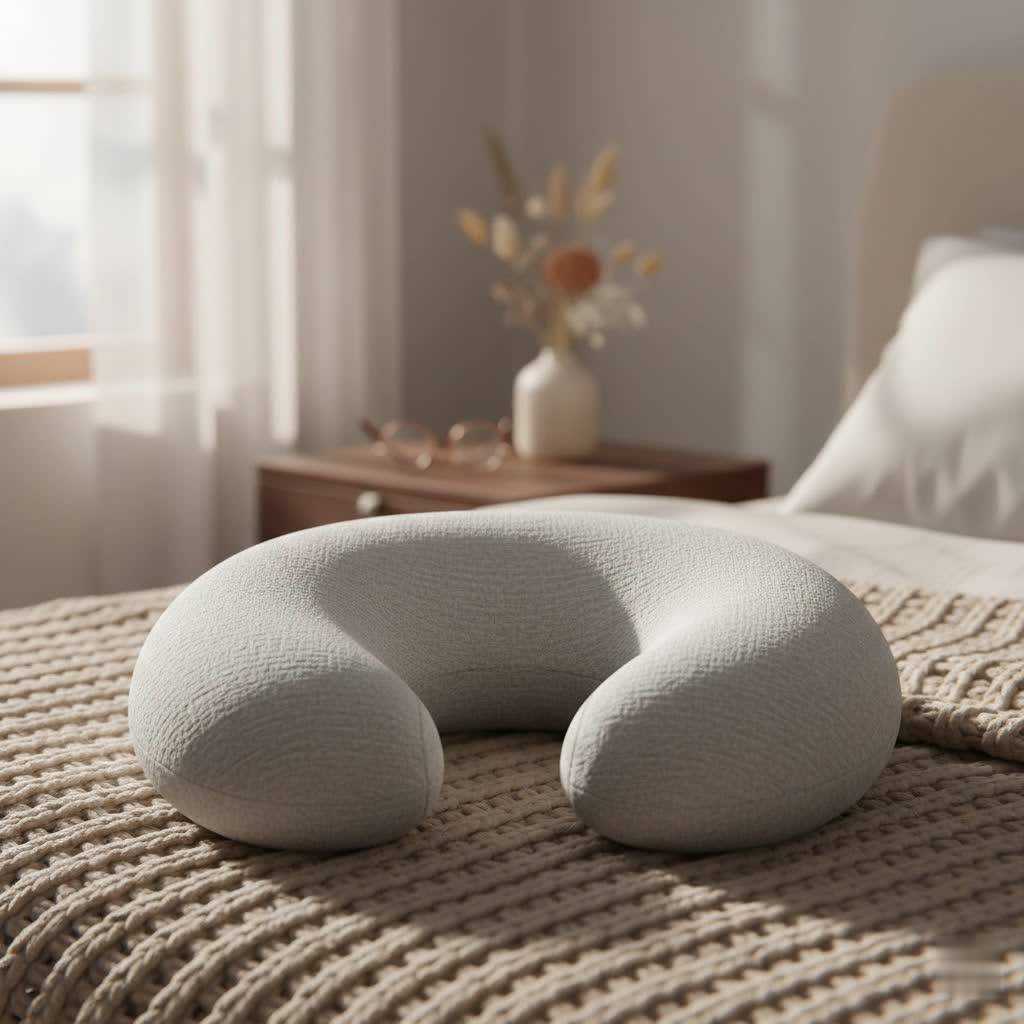
Waking up with a stiff neck or persistent discomfort can significantly impact your day, leaving you feeling tired and irritable. If you’re struggling with chronic neck pain, the culprit might be simpler than you think: your pillow. An ergonomic pillow for neck pain isn’t just another bedding accessory; it’s a meticulously designed tool crafted to support your spinal health and transform your sleep experience. This comprehensive guide will walk you through everything you need to know, from understanding how these specialized pillows work to choosing the perfect one to alleviate your discomfort and usher in nights of truly restorative sleep.
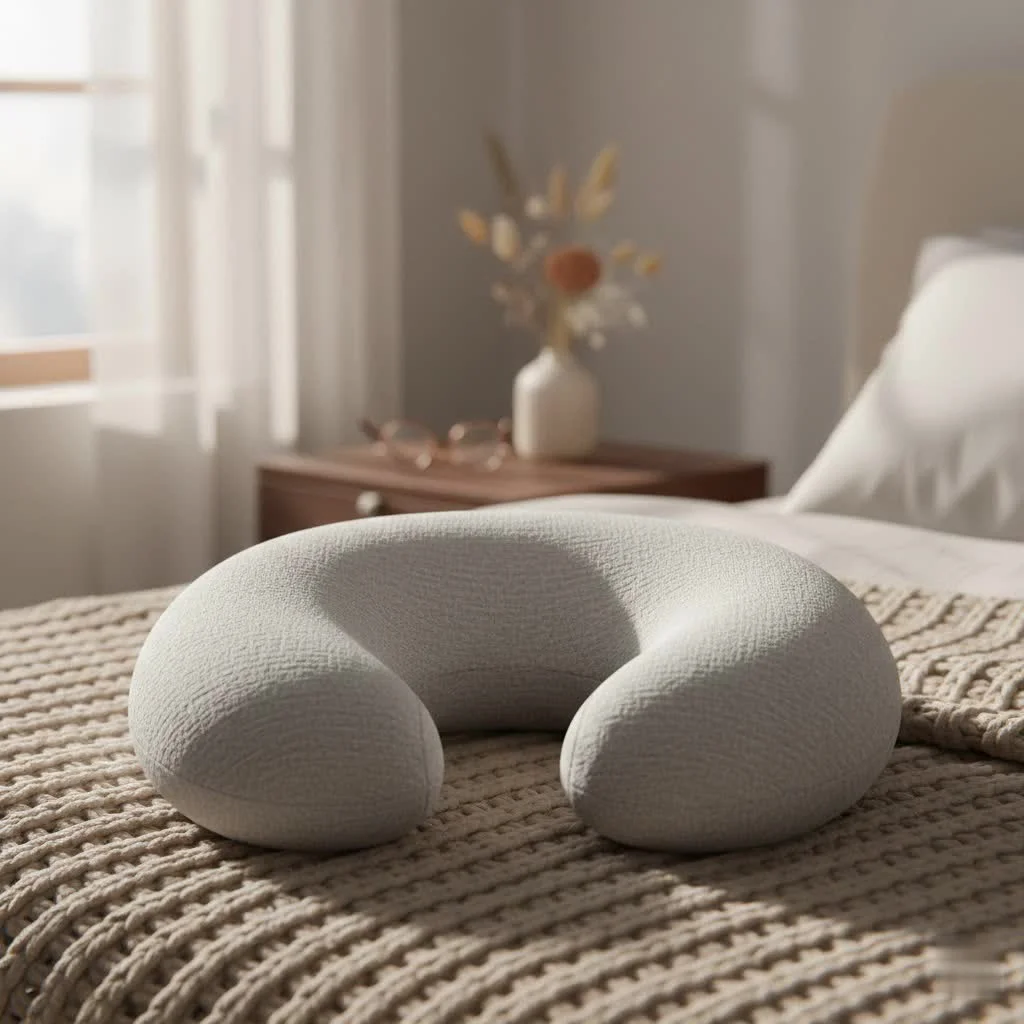
What is an Ergonomic Neck Pillow?
An ergonomic neck pillow, also often referred to as a cervical or orthopedic pillow, is specifically engineered to provide optimal support for the natural curvature of your cervical spine—the section of your spine located in your neck. Unlike traditional pillows that merely elevate your head, ergonomic pillows are designed to align your head, neck, and spine in a neutral position while you sleep. This precise alignment helps to reduce pressure on your vertebrae and surrounding muscles, alleviating strain that can lead to pain. For more neck pillows guides on this site.
These pillows frequently feature a contoured shape, often with a central depression for the head and raised edges or rolls to cradle the neck. They are commonly made from supportive materials like memory foam or latex, which can conform to your unique shape while providing consistent support. The goal is to fill the gap between your head and shoulders, preventing your neck from bending at an unnatural angle, regardless of your sleeping position.
Why Do You Need an Ergonomic Neck Pillow?
The benefits of switching to an ergonomic neck pillow extend far beyond simply addressing pain. They are an investment in your overall health and sleep quality.
One of the primary advantages is the alleviation of chronic neck and shoulder pain and stiffness. By maintaining proper spinal alignment, these pillows prevent the awkward positions that can aggravate existing conditions or create new ones. They also play a crucial role in improving overall sleep posture, which is vital for long-term spinal health. When your spine is correctly aligned, it reduces muscle tension and encourages better circulation throughout the night.
Moreover, many users report significantly improved sleep quality. With reduced discomfort, you’re less likely to toss and turn, leading to deeper, more restful sleep. This can also help in reducing related issues like tension headaches, which are often triggered by neck strain.
Ergonomic neck pillows are particularly beneficial for certain individuals. They are highly recommended for office workers who spend long hours hunched over computers, as this can lead to “tech neck.” Frequent travelers can also benefit from portable ergonomic designs that offer support on the go. Furthermore, individuals with pre-existing health concerns such as cervical spondylosis, herniated discs, or whiplash often find immense relief, as these pillows provide the targeted therapeutic support necessary for managing their conditions.
Popular Types of Ergonomic Neck Pillows
The market offers a variety of ergonomic neck pillows, each with unique features catering to different needs and sleeping preferences. Understanding these types can help you narrow down your choices.
Contour Pillows
|
Our Picks for the Best Neck Pillow in 2026
As an Amazon Associate I earn from qualifying purchases.
|
||
| Num | Product | Action |
|---|---|---|
| 1 | Cervical Memory Foam Pillow – Ergonomic Neck Support for Side, Back & Stomach Sleepers - Odorless Beauty Sleep Pillow for Deep Rest (Light Grey, King Size 24.8" Lx16.9 Wx5.9 H) |

|
| 2 | Ultra Pain Relief Cooling Pillow for Neck Support, Adjustable Cervical Pillow Cozy Sleeping, Odorless Ergonomic Contour Memory Foam Pillows, Orthopedic Bed Pillow for Side Back Stomach Sleeper |
|
| 3 | SAIREIDER Travel Pillows for Sleeping Airplane 100% Pure Memory Foam Neck Pillow for Airplanes Washable Cover with Storage Bag (Grey) |
|
| 4 | Ultra Pain Relief Cooling Pillow for Neck Support, Adjustable Cervical Pillow Cozy Sleeping, Odorless Ergonomic Contour Memory Foam Pillows, Orthopedic Bed Pillow for Side Back Stomach Sleeper |
|
| 5 | SAIREIDER Travel Neck Pillow 100% Pure Memory Foam Airplane Pillow for Head Support,Soft Adjustable Pillow for Plane, Car & Home Recliner (Pink) |
|
| 6 | SAIREIDER Neck Pillows for Travel-Head Neck Support Travel Pillow for Traveling, Car, Home, Office Adjustable(Navy Blue) |
|
| 7 | SAIREIDER Travel Pillows for Sleeping Airplane 100% Pure Memory Foam Neck Pillow for Airplanes Washable Cover(Grey) |
|
| 8 | Ultra Pain Relief Cooling Pillow for Neck Support, Adjustable Cervical Pillow Cozy Sleeping, Odorless Ergonomic Contour Memory Foam Pillows, Orthopedic Bed Pillow for Side Back Stomach Sleeper |
|
| 9 | SAIREIDER Travel Pillow 100% Pure Memory Foam Travel Neck Pillow with Storage Bag, Airplane Pillow for Traveling、Car、Home、Office,Washable Cover(Black) |
|
| 10 | SAIREIDER Travel Pillow 100% Pure Memory Foam Travel Neck Pillow, Airplane Pillow for Traveling、Car、Home、Office,Washable Cover(Black) |
|
Contour pillows are perhaps the most recognizable type of ergonomic pillow, distinguished by their distinctive wave-like shape. They typically feature a higher ridge on one side for side sleepers and a lower ridge on the other for back sleepers, with a depression in the middle to cradle the head.
- Advantages: These pillows excel at providing excellent cervical support and are highly effective at maintaining neutral spinal alignment. They are particularly beneficial for those who primarily sleep on their back or side.
- Disadvantages: Some users may experience an adjustment period as they get used to the unique shape. They can also be less versatile for combination sleepers who frequently change positions throughout the night.
- Best for: Dedicated back and side sleepers seeking consistent, targeted neck support.
Adjustable Pillows
Adjustable pillows offer a customizable approach to ergonomic support, allowing you to modify the pillow’s loft (height) and firmness. These pillows often come with shredded memory foam, latex, or kapok fill that can be added or removed to suit your personal preference.
- Advantages: The primary benefit is personalization. You can fine-tune the pillow to achieve the perfect level of support and comfort for your body and preferred sleeping position. This versatility makes them suitable for nearly all sleepers, including combination sleepers.
- Disadvantages: It may take some experimentation to find your ideal fill level. Some individuals might find shredded fills less uniform than solid foam.
- Best for: Sleepers who require personalized support, those with specific loft or firmness needs, and combination sleepers.
Cervical (Orthopedic) Pillows
While often overlapping with contour pillows, dedicated cervical or orthopedic pillows are specifically designed with a more pronounced therapeutic shape. These might include butterfly shapes or specific wedged extensions to provide precise support for the cervical spine and upper back. Many are developed with input from chiropractors or medical professionals.
- Advantages: They offer highly targeted and precise support, often recommended by spine experts for specific medical conditions. They are excellent for promoting correct spinal alignment.
- Disadvantages: Their rigid, specialized design might not be comfortable for everyone and can be less adaptable to different body types or minor shifts in sleeping positions.
- Best for: Individuals with specific cervical conditions, or dedicated back and side sleepers seeking robust, medically-informed support.
Travel Neck Pillows (U-shaped)
Though less for overnight bed use, U-shaped ergonomic travel pillows are designed to provide neck support while sitting upright, such as during flights or car rides. They prevent the head from slumping forward or sideways, offering temporary relief and comfort.
- Advantages: Portable, compact, and effective for maintaining head and neck stability during travel.
- Disadvantages: Not typically designed to provide full, continuous ergonomic support for a full night’s sleep in bed.
- Best for: Travelers, commuters, or anyone needing upright neck support for short periods.
Comparing Ergonomic Neck Pillows: A Detailed Look
Choosing the right pillow can feel overwhelming, so a comparative look at the common types can clarify their distinctions.
| Feature | Contour Pillow | Adjustable Pillow | Cervical (Orthopedic) Pillow |
|---|---|---|---|
| Material | Solid memory foam, solid latex | Shredded memory foam, kapok, shredded latex | Molded foam, firm memory foam |
| Comfort | Conforming, targeted support for natural curves | Personalized softness/firmness, adaptable feel | Firm, precise therapeutic support |
| Durability | Generally high for quality solid foam/latex | Varies by fill quality and outer casing | High for quality molded foam |
| Price | Mid-range to high | Mid-range to high | Mid-range to high |
| Key Benefit | Consistent spinal alignment for common positions | Maximum customization for individual needs | Targeted, often medically-designed support |
| Ideal User | Back & side sleepers seeking stable support | All sleepers, especially combination & those with specific preferences | Individuals with chronic conditions, specific posture needs |
How to Choose the Right Ergonomic Neck Pillow
Selecting the perfect ergonomic neck pillow is a personal journey, as comfort and support vary greatly from person to person. Consider these factors to make an informed decision:
Assess Your Sleeping Position
Your dominant sleeping position is the most critical factor in determining the ideal pillow type, loft, and firmness.
- Back Sleepers: Look for a pillow with a medium-low loft that supports the natural curve of your neck without pushing your head too far forward. A contour pillow with a gentle cervical curve or an adjustable pillow that allows for a lower profile is often ideal.
- Side Sleepers: You’ll typically need a higher loft to fill the gap between your ear and shoulder, keeping your head aligned with your spine. A firmer pillow is usually recommended to prevent your head from sinking too much. Many ergonomic pillows have higher sides specifically for side sleeping.
- Stomach Sleepers: This position is generally discouraged by spine experts due to the strain it places on the neck. If you must sleep on your stomach, opt for a very low-loft, almost flat pillow to minimize neck rotation and extension. Adjustable pillows can be set to a minimal height.
Consider Material
The material of your ergonomic pillow significantly impacts its feel, support, and longevity.
- Memory Foam: Known for its excellent contouring capabilities, memory foam molds to the shape of your head and neck, providing superior pressure relief. However, traditional memory foam can retain heat, so look for options infused with gel or designed with cooling technologies.
- Latex: Latex pillows offer a more responsive and bouncy feel than memory foam, providing consistent support without the “sinking” sensation. They are naturally breathable, durable, and hypoallergenic, making them a great choice for those with allergies or who sleep hot.
- Adjustable Fills (Shredded Memory Foam, Kapok): These allow for customization of loft and firmness. Shredded foam offers a softer, more pliable feel, while kapok is a natural, fluffy fiber similar to down but plant-based.
Determine Loft (Height)
Loft refers to the pillow’s height. The correct loft is crucial for maintaining a neutral spinal alignment. When lying on your pillow in your preferred sleeping position, your head and neck should be straight, not tilted up, down, or to the side. There should be no significant gaps between your head, neck, and shoulders and the pillow. A pillow that is too high or too low can exacerbate neck pain by straining your cervical spine. Adjustable pillows are excellent for dialing in the perfect loft.
Evaluate Firmness
The firmness of your pillow affects how much support it provides and how quickly it compresses under your head.
“A medium-firm pillow often provides the best balance of support and comfort for neck pain,” according to spine surgeons and chiropractors. A firmer pillow is generally recommended for side sleepers and individuals with severe neck pain, as it helps to keep the head and neck securely in place throughout the night, preventing misalignment. Softer pillows, such as those filled with traditional down or feathers, are typically not advised as they tend to compress too much, leading to poor alignment.
Check for Certifications
When investing in an ergonomic pillow, look for reputable certifications such as CertiPUR-US® for memory foam or OEKO-TEX® and GOLS (Global Organic Latex Standard) for latex. These certifications ensure that the materials used are free from harmful chemicals and meet strict health and environmental standards, giving you peace of mind about what you’re sleeping on.
Brand Reputation & Reviews
Research reputable brands known for their ergonomic pillow designs. Read user reviews and testimonials to gain insights into real-world performance, durability, and customer satisfaction. While individual experiences vary, a consistent pattern of positive feedback often indicates a reliable product.
Top 5 Ergonomic Neck Pillows Recommended for Neck Pain Relief
While personal preference plays a significant role, certain ergonomic pillows consistently receive high praise from users and experts alike for their effectiveness in relieving neck pain:
- Tempur-Pedic TEMPUR-Neck Pillow: An iconic contour pillow made from dense TEMPUR® material, this pillow is renowned for its firm, conforming support that cradles the neck and aligns the spine. It’s available in different sizes to fit various body types.
- Mkicesky Orthopedic Pillow: Often recommended by chiropractors, this pillow strikes a great balance of support, comfort, and versatility for different sleep positions. Its ergonomic design targets neck and shoulder pain relief effectively.
- Nectar Tri-Comfort Cooling Pillow: This adjustable pillow features customizable loft and firmness, making it adaptable to a wide range of sleepers. Its cooling features are an added bonus for those who tend to sleep hot.
- Helix GlacioTex Cooling Memory Foam Pillow: Designed with cooling GlacioTex™ fabric and gel-infused memory foam, this pillow offers exceptional support while actively dissipating heat, making it an excellent choice for hot sleepers suffering from neck pain.
- Coop Home Goods Original Adjustable Pillow: A highly customizable shredded memory foam pillow, it allows users to add or remove fill to achieve their perfect loft and firmness. Its machine-washable cover makes maintenance easy.
Where to Buy Ergonomic Neck Pillows
Ergonomic neck pillows are widely available, both online and in physical stores, making it convenient to find the right one for you.
- Specialty Sleep Stores: Retailers specializing in mattresses and sleep accessories often have a dedicated section for ergonomic pillows, allowing you to try them out in person.
- Department Stores: Many large department stores carry a selection of reputable pillow brands.
- Online Retailers: Websites like Amazon, as well as individual brand websites (e.g., Tempur-Pedic, Coop Home Goods), offer extensive selections, competitive pricing, and often provide detailed product information and customer reviews.
- Medical Supply Stores: For highly specialized orthopedic pillows recommended by a healthcare professional, medical supply stores are a good resource.
When purchasing, especially online, pay close attention to the return policies and trial periods. Many brands offer generous trial periods, allowing you to test the pillow at home to ensure it meets your comfort and support needs.
Care and Maintenance for Your Ergonomic Neck Pillow
Proper care and maintenance will extend the life and effectiveness of your ergonomic neck pillow, ensuring it continues to provide optimal support.
- Cleaning: Always follow the manufacturer’s specific cleaning instructions. Many ergonomic pillows, especially those with memory foam cores, are not fully washable. However, most come with removable, washable covers, which are essential for hygiene. Spot clean the foam core if necessary and allow it to air dry completely.
- Longevity: The lifespan of an ergonomic pillow varies by material and quality. Memory foam pillows typically need to be replaced every 1-2 years, while higher-quality latex pillows can last 2-3 years or even longer. When a pillow loses its loft, begins to sag, or no longer provides adequate support, it’s time for a replacement.
- Protection: Using a good quality pillow protector underneath your pillowcase can shield the pillow from dust mites, allergens, and spills, further extending its cleanliness and lifespan.
Conclusion
Finding the right ergonomic pillow for neck pain can be a game-changer for your sleep quality and overall well-being. By understanding the different types, materials, and crucial factors like loft and firmness, you can make an informed decision that addresses your specific needs. Investing in a pillow that properly supports your cervical spine can alleviate chronic discomfort, improve your sleep posture, and lead to more restful nights. Remember, prioritizing your spinal alignment during sleep is a fundamental step toward a healthier, pain-free life.
Are you ready to discover the difference a truly supportive pillow can make for your neck pain?
Frequently Asked Questions
What is the difference between an ergonomic pillow and a regular pillow?
An ergonomic pillow is specifically designed with contours and supportive materials (like memory foam or latex) to maintain the natural curve of your neck and align your spine. Regular pillows, often filled with softer materials, primarily aim for comfort but may not provide the necessary structural support for proper spinal alignment, potentially leading to neck pain.
How long does it take to adjust to an ergonomic pillow?
It’s common to experience an adjustment period when switching to a new ergonomic pillow, especially if you’re accustomed to a pillow that offered inadequate support. This period can range from a few nights to a couple of weeks as your neck and spine adapt to the correct alignment.
Can an ergonomic pillow make my neck pain worse?
While rare, a new ergonomic pillow might initially feel uncomfortable or even slightly worsen pain if it’s not the right fit for your sleeping position, body type, or if there’s an adjustment period. If discomfort persists beyond a few weeks, it may indicate the pillow’s loft or firmness is unsuitable for you, and you should consider trying a different type or consulting a healthcare professional.
Are ergonomic pillows good for all sleeping positions?
Yes, ergonomic pillows are designed to benefit various sleeping positions, but the best type will vary. Contour pillows are excellent for back and side sleepers, while adjustable pillows offer versatility for all positions. Stomach sleepers, however, generally require very low-loft pillows, and this position is often discouraged for long-term neck health.
How often should I replace my ergonomic pillow for neck pain?
The general recommendation for replacing ergonomic pillows, particularly those made of memory foam, is every 1 to 2 years. Latex pillows may last longer, up to 2-3 years. Signs that your pillow needs replacing include loss of loft or firmness, persistent indentations, or a resurgence of neck pain.
Get our weekly buyer guide
Practical specs, not advice. Unsubscribe anytime.
