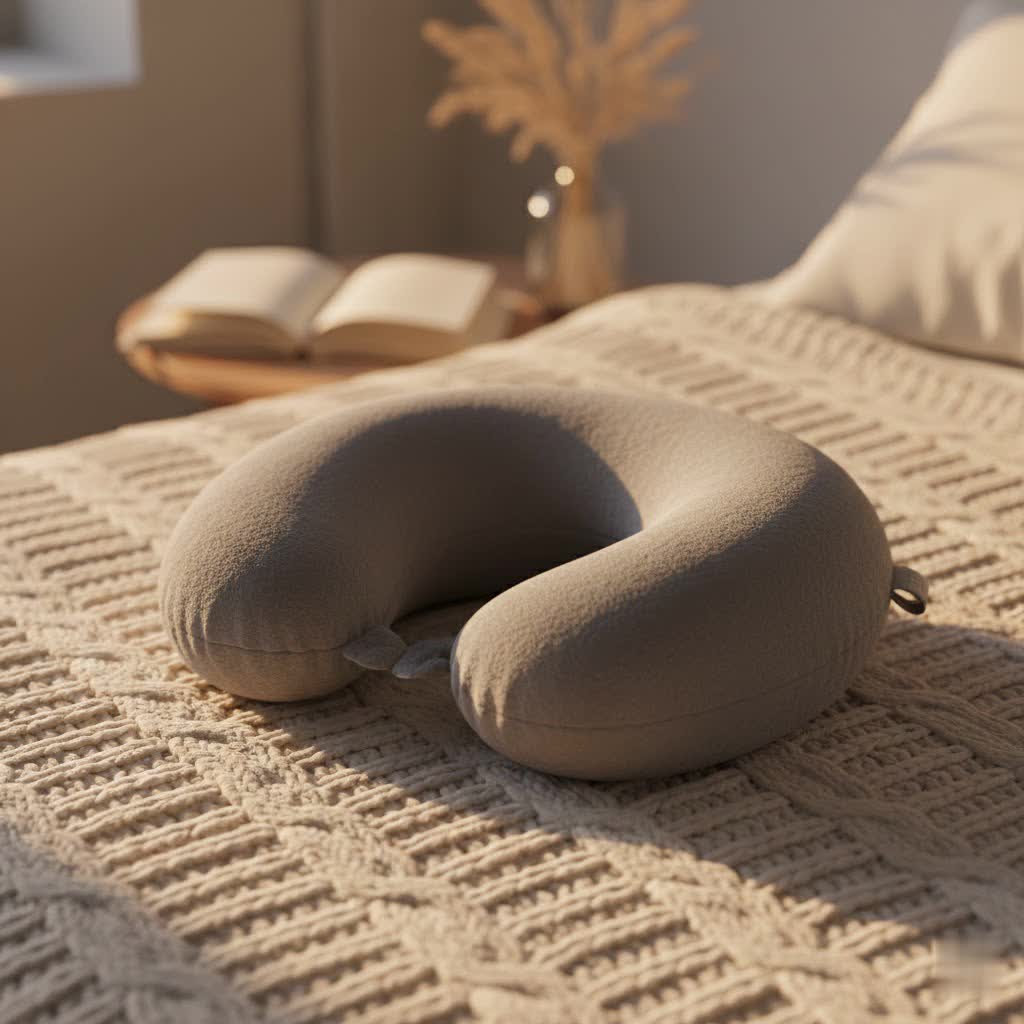
Waking up with a stiff neck or throbbing shoulders can ruin your day before it even begins. This common discomfort, often exacerbated by daily stresses and improper sleep posture, affects millions, leaving them restless and fatigued. If you’ve been searching for a solution that truly cradles your body and provides lasting relief, a memory foam pillow might be the major upgrade you need. Engineered to adapt to your unique contours, these pillows offer targeted support that can improve your nights and revitalize your mornings. This guide will walk you through everything you need to know about selecting the ideal memory foam pillow to banish neck and shoulder pain, ensuring you find the perfect match for restorative sleep.
What is a Memory Foam Pillow?
A memory foam pillow is crafted from viscoelastic polyurethane foam, a material renowned for its unique ability to soften under body heat and pressure. This innovative foam was originally developed by NASA for aircraft seats but quickly found its way into bedding due to its exceptional contouring properties. Unlike traditional pillows that simply compress, memory foam molds precisely to the shape of your head and neck, creating a customized cradle that supports the natural curvature of your spine. This adaptability is key to its effectiveness in relieving pressure points and distributing weight evenly, providing a sense of personalized comfort that can significantly reduce discomfort. For see our neck pillows recommendations on this site.
Why Memory Foam Pillows Are Essential for Neck and Shoulder Pain Relief
Memory foam pillows offer distinct advantages over conventional options, making them an essential tool in the fight against neck and shoulder pain. Their unique properties work synergistically to provide a foundation for healthier sleep posture and lasting comfort.
Poor posture during the day, prolonged periods of sitting, and especially sleeping on an unsupportive pillow are major culprits behind chronic neck pain. The right pillow is not just a comfort item; it’s a critical component of good spinal health.
Alleviating Discomfort
Memory foam excels at pressure relief. By conforming to your body, it eliminates gaps between your head, neck, and the pillow, preventing strain on sensitive areas. This cradling effect reduces pressure points, which can otherwise lead to soreness and stiffness in the morning.
Promoting Spinal Alignment
The primary benefit of a well-chosen memory foam pillow is its ability to maintain neutral spinal alignment. When your head and neck are properly aligned with your spine, stress on muscles and ligaments is minimized. This is crucial for relieving existing pain and preventing new discomfort from developing.
Support for Various Sleep Positions
|
Our Picks for the Best Neck Pillow in 2026
As an Amazon Associate I earn from qualifying purchases.
|
||
| Num | Product | Action |
|---|---|---|
| 1 | SAIREIDER Travel Pillows for Sleeping Airplane 100% Pure Memory Foam Neck Pillow for Airplanes Washable Cover(Grey) |

|
| 2 | SAIREIDER Travel Pillows for Sleeping Airplane 100% Pure Memory Foam Neck Pillow for Airplanes Washable Cover with Storage Bag (Grey) |
|
| 3 | Ultra Pain Relief Cooling Pillow for Neck Support, Adjustable Cervical Pillow Cozy Sleeping, Odorless Ergonomic Contour Memory Foam Pillows, Orthopedic Bed Pillow for Side Back Stomach Sleeper |
|
| 4 | Cervical Memory Foam Pillow – Ergonomic Neck Support for Side, Back & Stomach Sleepers - Odorless Beauty Sleep Pillow for Deep Rest (Light Grey, King Size 24.8" Lx16.9 Wx5.9 H) |
|
| 5 | Ultra Pain Relief Cooling Pillow for Neck Support, Adjustable Cervical Pillow Cozy Sleeping, Odorless Ergonomic Contour Memory Foam Pillows, Orthopedic Bed Pillow for Side Back Stomach Sleeper |
|
| 6 | SAIREIDER Travel Pillow 100% Pure Memory Foam Travel Neck Pillow, Airplane Pillow for Traveling、Car、Home、Office,Washable Cover(Black) |
|
| 7 | Ultra Pain Relief Cooling Pillow for Neck Support, Adjustable Cervical Pillow Cozy Sleeping, Odorless Ergonomic Contour Memory Foam Pillows, Orthopedic Bed Pillow for Side Back Stomach Sleeper |
|
| 8 | SAIREIDER Travel Pillow 100% Pure Memory Foam Travel Neck Pillow with Storage Bag, Airplane Pillow for Traveling、Car、Home、Office,Washable Cover(Black) |
|
| 9 | SAIREIDER Travel Neck Pillow 100% Pure Memory Foam Airplane Pillow for Head Support,Soft Adjustable Pillow for Plane, Car & Home Recliner (Pink) |
|
| 10 | SAIREIDER Neck Pillows for Travel-Head Neck Support Travel Pillow for Traveling, Car, Home, Office Adjustable(Navy Blue) |
|
Whether you’re a back, side, or even an occasional stomach sleeper, memory foam can adapt. While specific shapes cater to different positions, the inherent conforming nature of memory foam ensures consistent support, regardless of how you shift throughout the night.
Durability and Shape Retention
Memory foam pillows are known for their longevity and ability to maintain their supportive properties over time. Unlike feather or fiberfill pillows that can flatten and lose their shape, memory foam quickly returns to its original form, providing consistent support night after night without constant fluffing.
Improved Sleep Quality
By providing superior support and alleviating pain, memory foam pillows contribute to a more restful and uninterrupted sleep. Less tossing and turning means deeper sleep cycles, allowing your body to fully repair and rejuvenate.
Types of Memory Foam Pillows for Pain Relief
The world of memory foam pillows is diverse, with various designs engineered to address specific needs and sleeping preferences. Understanding these types will help you narrow down the best option for your neck and shoulder pain.
Contour Memory Foam Pillows
Contour pillows feature an ergonomic design with distinct crests and valleys that are shaped to fit the natural curve of your neck and head. This design aims to provide optimal cervical support and promote ideal spinal alignment.
- Pros: Excellent targeted support for the cervical spine, highly effective for maintaining neutral alignment, often recommended by chiropractors.
- Cons: Can feel restrictive due to its fixed shape, may take some time to get used to, generally not suitable for stomach sleepers.
- Suitable For: Back and side sleepers who need dedicated neck support and struggle with chronic cervical pain.
Shredded Memory Foam Pillows
Shredded memory foam pillows contain thousands of small pieces of memory foam, often blended with other materials like microfiber. This construction allows for a pillow that can be easily molded and adjusted.
- Pros: Highly customizable loft and firmness (by adding or removing fill), offers better airflow compared to solid memory foam, making it cooler.
- Cons: May require frequent fluffing to maintain shape, can feel lumpy if not evenly distributed.
- Suitable For: All sleep positions, especially those who prefer to adjust their pillow’s height and feel, and hot sleepers.
Traditional Memory Foam Pillows
These are typically rectangular pillows with a solid block of memory foam inside. They offer a classic pillow shape with the benefits of memory foam.
- Pros: Provides consistent, uniform support across the entire surface, familiar feel for those used to conventional pillows.
- Cons: Less customizable than shredded foam, can sometimes retain more heat due to the solid core, may not offer targeted cervical support like contour pillows.
- Suitable For: Back and side sleepers looking for general memory foam benefits without a specific contoured shape.
Memory Foam Bolster/Roll Pillows
Cylindrical in shape, bolster or roll pillows are designed for specific, targeted support rather than as a primary head pillow.
- Pros: Excellent for targeted neck support (e.g., placed directly under the neck when lying on your back), versatile for use under knees or lower back, great for travel.
- Cons: Does not provide full head support, typically used in conjunction with another pillow or for specific relief.
- Suitable For: Individuals needing supplementary neck support, travelers, or those who find comfort from a cervical roll.
Comparison Table: Memory Foam Pillow Types
| Feature | Contour Memory Foam | Shredded Memory Foam | Traditional Memory Foam | Bolster/Roll Memory Foam |
|---|---|---|---|---|
| Shape | Ergonomic, wave-like | Standard, adjustable | Standard block | Cylindrical |
| Support | Targeted cervical alignment | Customizable, adaptable | Consistent, uniform | Targeted neck or lumbar |
| Firmness | Medium to firm | Adjustable (by fill) | Varies (medium to firm) | Firm |
| Adjustability | Low (fixed shape) | High (add/remove fill) | Low (fixed shape) | Low (fixed shape) |
| Breathability | Moderate | Good (airflow between shreds) | Moderate (can retain heat) | Moderate |
| Ideal For | Back, side sleepers with specific cervical pain | All sleep positions, customization needs | Back, side sleepers | Targeted pain relief, travel |
How to Choose the Right Memory Foam Pillow
Selecting the perfect memory foam pillow is a personal journey, as what works for one person might not work for another. Consider these factors to make an informed decision that addresses your specific needs for neck and shoulder pain relief.
Assess Your Sleep Position
Your preferred sleep position is the most critical factor in determining the ideal pillow loft and support.
- Side Sleepers: Need a higher loft to fill the space between their head and shoulder, keeping the spine aligned. A firmer pillow is often beneficial.
- Back Sleepers: Require a medium loft that supports the natural curve of the neck without pushing the head too far forward. A pillow with a slight contour is often ideal.
- Stomach Sleepers: Generally, a very low loft pillow or no pillow at all is recommended to prevent neck strain. However, sleeping on your stomach is often discouraged for those with neck pain.
Consider Loft and Firmness
Loft refers to the height of the pillow, and it’s paramount for maintaining neutral spinal alignment. An incorrect loft can exacerbate neck and shoulder pain.
- Loft: Aim for a pillow that keeps your head and neck aligned with your spine. If you can, measure the distance from your neck to the outside edge of your shoulder. Adjustable pillows with shredded memory foam are excellent for finding your perfect loft.
- Firmness: While personal preference plays a role, sufficient firmness is key for support. A pillow that is too soft will allow your head to sink too much, while one that is too firm can create pressure points. Many memory foam pillows offer a balance of plush comfort and solid support. Some even provide dual firmness options.
Look for Cooling Features
One common concern with traditional memory foam is its tendency to retain heat. If you’re a hot sleeper, look for memory foam pillows with specific cooling technologies. These can include gel infusions, open-cell foam structures for better airflow, or covers made from breathable, moisture-wicking fabrics like bamboo or Tencel.
Check for Certifications
To ensure you’re investing in a safe and high-quality product, look for certifications such as CertiPUR-US®. This certification guarantees that the foam has been tested for harmful chemicals and heavy metals, promoting a healthier sleep environment.
Read Reviews and Warranties
Before committing to a purchase, take the time to read user reviews, especially those from individuals with similar pain issues or sleep positions. Pay attention to feedback regarding comfort, support, durability, and any reported issues like off-gassing. Check the product’s warranty and return policy, as a generous trial period can be invaluable for ensuring the pillow is the right fit for you.
“Finding the right pillow is often a matter of personal preference, but the best pillow for neck pain is one that keeps your spine in neutral alignment.” – James D. Lin, MD, Spine Surgeon.
Top Memory Foam Pillow Features for Neck & Shoulder Pain
When specifically targeting neck and shoulder pain, certain features in a memory foam pillow stand out for their effectiveness.
- Ergonomic Design: Pillows with a contoured shape, like the Tempur-Pedic TEMPUR-Neck Pillow, are specifically engineered to support the natural curve of your neck, reducing strain and promoting proper alignment. These designs are highly recommended for back and side sleepers.
- Adjustable Loft: Shredded memory foam pillows allow you to customize the fill, meaning you can add or remove foam to achieve your ideal height and firmness. This adjustability is invaluable for finding the precise support needed to alleviate pain.
- Pressure-Relieving Technology: High-density memory foam is excellent at absorbing pressure, cradling your head and neck to prevent pressure points that can lead to soreness in the shoulders and upper back.
- Breathable and Hypoallergenic Covers: A soft, breathable cover enhances comfort and helps regulate temperature. Many covers are also hypoallergenic, resisting allergens like dust mites, which contributes to a healthier sleep environment.
Where to Buy Your Ideal Memory Foam Pillow
The market for memory foam pillows is vast, offering numerous options across various retail channels.
- Online Retailers: Websites like Amazon, as well as direct-to-consumer brand sites (e.g., Coop Sleep Goods, Nectar, Tempur-Pedic), offer a wide selection and often competitive pricing. Look for companies that provide generous trial periods and easy return policies.
- Specialty Sleep Stores: Visiting a dedicated sleep store allows you to physically test different pillows and receive expert advice from sales associates.
- Department Stores: Many larger department stores carry a selection of memory foam pillows from various brands, offering another opportunity to try them out in person.
Always consider the return policy and trial period when purchasing, especially online, as it can take a few nights to truly assess a pillow’s comfort and effectiveness for your pain.
Caring for Your Memory Foam Pillow
Proper care and maintenance will extend the life of your memory foam pillow and ensure it continues to provide optimal support and hygiene.
- Cleaning Covers: Most memory foam pillows come with removable, machine-washable covers. Follow the care instructions on the label, typically recommending a cold wash and cool drying or air-drying.
- Cleaning Foam: The memory foam core itself should generally not be machine washed or submerged in water. Spot clean any stains with a mild detergent and water, then allow it to air dry completely, away from direct sunlight, before replacing the cover.
- Longevity: While durable, memory foam pillows aren’t immortal. Experts suggest replacing your memory foam pillow every two to three years, or sooner if it starts to lose its shape, firmness, or no longer provides adequate support. Regular maintenance can help prolong its effectiveness.
Conclusion
Investing in a quality memory foam pillow is more than just buying a new bedding accessory; it’s an investment in your health and well-being. With its unique ability to contour to your body, relieve pressure, and promote optimal spinal alignment, a memory foam pillow can significantly alleviate persistent neck and shoulder pain. By understanding the different types available, assessing your personal sleep needs, and looking for key features like adjustability and cooling technology, you can confidently choose a pillow that delivers personalized support and leads to truly restorative sleep. Stop enduring restless nights and uncomfortable mornings.
What changes will you make to your sleep setup tonight to embrace pain-free rest?
Frequently Asked Questions
Are memory foam pillows good for both neck and shoulder pain?
Yes, memory foam pillows are highly effective for both neck and shoulder pain. Their contouring nature supports the cervical spine, reducing strain on neck muscles and alleviating pressure that often radiates to the shoulders.
Can memory foam pillows cause neck pain?
While generally beneficial, an improperly chosen memory foam pillow (wrong loft, firmness, or shape for your sleep position) can potentially worsen or cause neck pain. It’s crucial to select one that maintains neutral spinal alignment for your specific needs.
How long do memory foam pillows last?
High-quality memory foam pillows typically last between two to three years. Their lifespan depends on the foam density, material quality, and how well they are cared for. Signs it’s time for a replacement include loss of shape, firmness, or support.
Is a firm or soft memory foam pillow better for neck pain?
For neck pain, a medium-firm memory foam pillow is generally recommended. It should be firm enough to provide adequate support and maintain spinal alignment, but soft enough to conform to your unique contours and relieve pressure without feeling overly rigid.
Can I wash my memory foam pillow?
Most memory foam pillow covers are removable and machine-washable. However, the memory foam core itself should usually not be machine-washed. Instead, spot clean the foam with a mild detergent and allow it to air dry thoroughly.
What’s the difference between contour and shredded memory foam for pain?
Contour memory foam pillows have a fixed ergonomic shape for targeted cervical support, ideal for consistent alignment. Shredded memory foam pillows allow you to add or remove fill to customize loft and firmness, making them more adaptable to various preferences and sleep positions.
Get our weekly buyer guide
Practical specs, not advice. Unsubscribe anytime.

I was skeptical about another pillow, but the explanation of how viscoelastic polyurethane foam works convinced me to try. I got a medium-firm memory foam pillow, and while it took a few nights to get used to, my shoulder pain has significantly decreased. It’s not a miracle cure, but it’s definitely a major upgrade from my old feather pillow.
This was super helpful in choosing a pillow for my chronic neck and shoulder pain. The part about improper sleep posture really resonated with me. I picked up one of the higher-density memory foam pillows, and it’s been fantastic. I used to toss and turn all night, but now I sleep through without waking up with that awful throbbing feeling.
I appreciated the breakdown of different memory foam types. I went with a shredded memory foam pillow because I like to adjust my pillow, but I found it a bit too warm for my liking. It does offer good support for my neck, but I sometimes wake up a little sweaty. I might try a different brand with better cooling properties next time.
I’ve been struggling with neck pain for years, and this guide really helped me understand why memory foam is different. I finally invested in one of the contoured options mentioned, and it’s been a game-changer. My stiff neck mornings are practically gone, and I actually feel rested when I wake up. Definitely worth the price for the relief it provides.