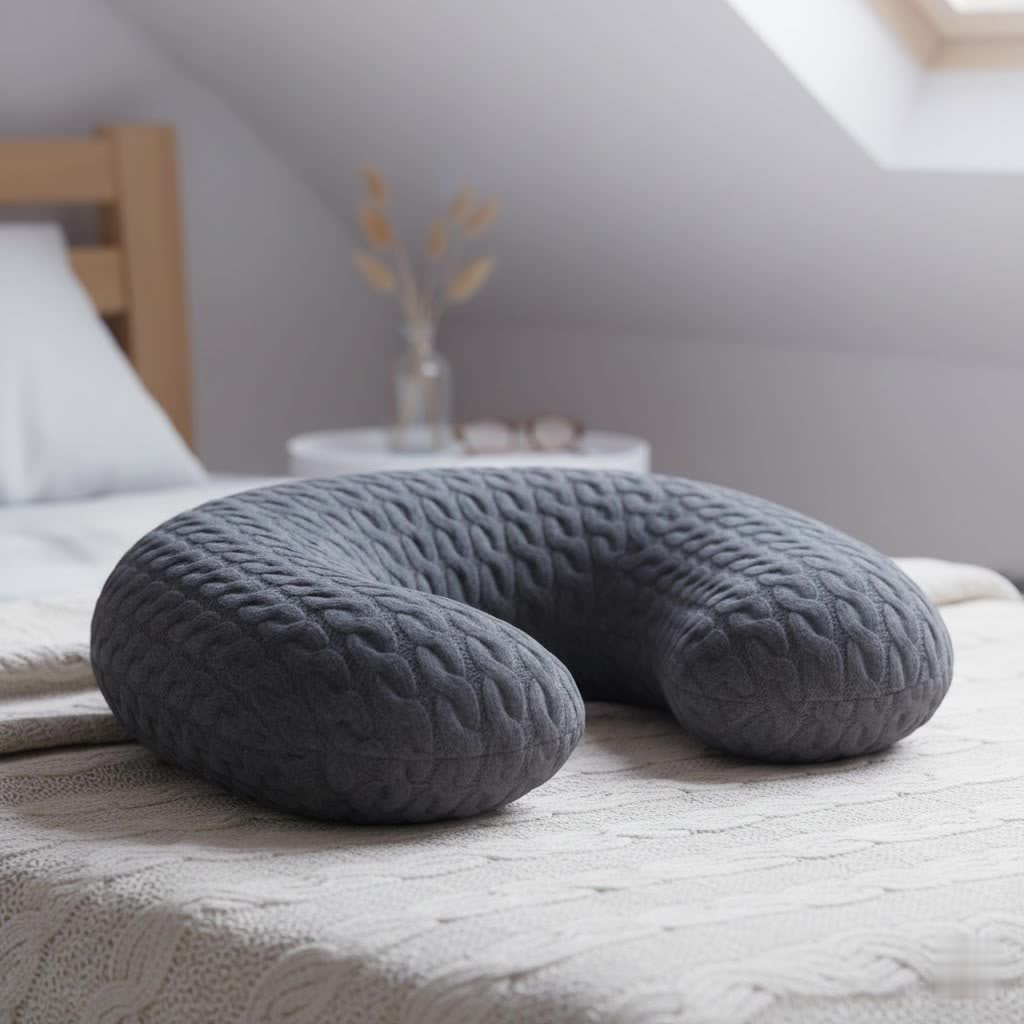
Are you constantly waking up with a stiff neck, persistent shoulder pain, or an overall feeling of unrest? You’re not alone. Millions struggle with sleep discomfort rooted in improper neck support. An orthopedic neck pillow, specifically designed to maintain the natural curvature of your spine, might be the solution you’ve been searching for. This comprehensive guide will delve into everything you need to know about orthopedic neck pillows, from their core benefits to choosing the perfect one for your unique needs, ensuring you achieve the restorative sleep you deserve.
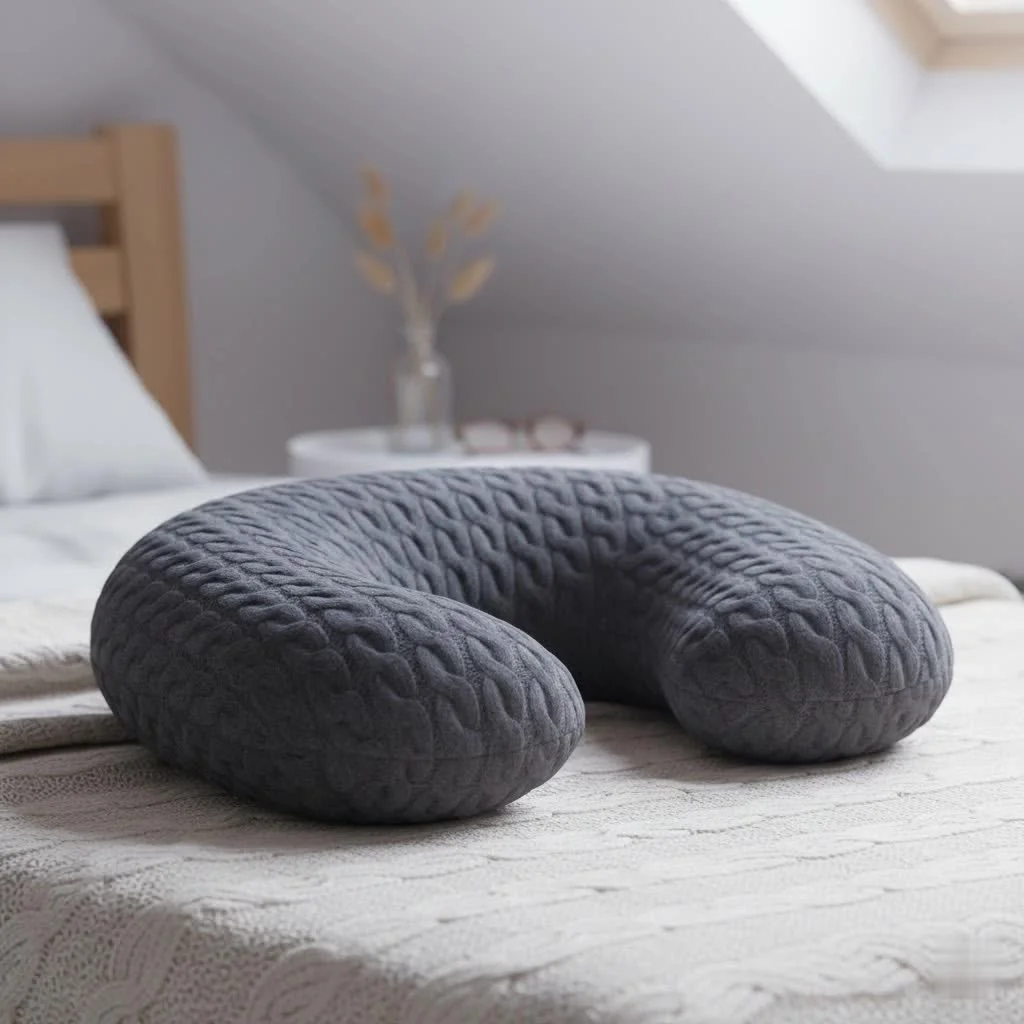
What is an Orthopedic Neck Pillow?
An orthopedic neck pillow, often referred to as a cervical pillow, is a specialized pillow engineered to support the natural curve of your cervical spine (neck) while you sleep. Unlike traditional pillows that can flatten or clump, these pillows are contoured to cradle the head and neck, promoting proper spinal alignment. Their primary purpose is to alleviate pressure points, reduce muscle tension, and ensure a comfortable, supportive sleeping posture, which can significantly impact overall sleep quality and spinal health. For browse all neck pillows articles on this site.
The market offers a variety of orthopedic neck pillows, each designed with specific features and materials to cater to different preferences and needs. From contoured designs that match the natural curve of the neck to specialized materials like memory foam that adapt to your unique shape, these pillows are a far cry from generic options.
Why You Need an Orthopedic Neck Pillow
The benefits of using an orthopedic neck pillow extend far beyond just comfort; they are crucial for maintaining long-term neck and spinal health.
- Pain Reduction: One of the most significant advantages is the alleviation of neck and shoulder pain. By supporting the cervical spine in its natural alignment, orthopedic pillows help reduce strain on muscles and ligaments, often easing chronic discomfort and stiffness.
- Improved Sleep Quality: When your neck is properly supported, your body can relax more fully, leading to deeper, more restful sleep. This can combat issues like tossing and turning, and even reduce snoring for some individuals.
- Support for Spinal Health: Prolonged poor sleeping posture can contribute to spinal misalignment and other musculoskeletal problems. An orthopedic pillow helps maintain the correct posture throughout the night, supporting healthy spinal alignment and potentially preventing future issues.
- Ideal for Specific Conditions: Individuals suffering from conditions like whiplash, cervical spondylosis, herniated discs, or even just daily tech neck can find immense relief. Office workers, frequent travelers, and anyone spending long hours in static positions can also benefit greatly from the targeted support these pillows offer.
“Proper neck support during sleep is fundamental to preventing and managing neck pain. An orthopedic pillow can make a significant difference in maintaining cervical alignment and reducing muscle strain.” – Dr. Emily R. Thorne, Chiropractor and Sleep Ergonomics Specialist.
Popular Types of Orthopedic Neck Pillows
|
Our Picks for the Best Neck Pillow in 2026
As an Amazon Associate I earn from qualifying purchases.
|
||
| Num | Product | Action |
|---|---|---|
| 1 | SAIREIDER Travel Pillow 100% Pure Memory Foam Travel Neck Pillow, Airplane Pillow for Traveling、Car、Home、Office,Washable Cover(Black) |

|
| 2 | SAIREIDER Travel Pillows for Sleeping Airplane 100% Pure Memory Foam Neck Pillow for Airplanes Washable Cover(Grey) |
|
| 3 | Ultra Pain Relief Cooling Pillow for Neck Support, Adjustable Cervical Pillow Cozy Sleeping, Odorless Ergonomic Contour Memory Foam Pillows, Orthopedic Bed Pillow for Side Back Stomach Sleeper |
|
| 4 | SAIREIDER Travel Pillow 100% Pure Memory Foam Travel Neck Pillow with Storage Bag, Airplane Pillow for Traveling、Car、Home、Office,Washable Cover(Black) |
|
| 5 | SAIREIDER Travel Neck Pillow 100% Pure Memory Foam Airplane Pillow for Head Support,Soft Adjustable Pillow for Plane, Car & Home Recliner (Pink) |
|
| 6 | Ultra Pain Relief Cooling Pillow for Neck Support, Adjustable Cervical Pillow Cozy Sleeping, Odorless Ergonomic Contour Memory Foam Pillows, Orthopedic Bed Pillow for Side Back Stomach Sleeper |
|
| 7 | SAIREIDER Travel Pillows for Sleeping Airplane 100% Pure Memory Foam Neck Pillow for Airplanes Washable Cover with Storage Bag (Grey) |
|
| 8 | Ultra Pain Relief Cooling Pillow for Neck Support, Adjustable Cervical Pillow Cozy Sleeping, Odorless Ergonomic Contour Memory Foam Pillows, Orthopedic Bed Pillow for Side Back Stomach Sleeper |
|
| 9 | SAIREIDER Neck Pillows for Travel-Head Neck Support Travel Pillow for Traveling, Car, Home, Office Adjustable(Navy Blue) |
|
| 10 | Cervical Memory Foam Pillow – Ergonomic Neck Support for Side, Back & Stomach Sleepers - Odorless Beauty Sleep Pillow for Deep Rest (Light Grey, King Size 24.8" Lx16.9 Wx5.9 H) |
|
Understanding the different types of orthopedic neck pillows available can help you narrow down your choices based on your specific needs and sleeping habits.
Contoured Orthopedic Neck Pillows
- Advantages: These are perhaps the most recognizable orthopedic pillows, featuring a distinct wave-like shape with a higher ridge for the neck and a lower dip for the head. This contour perfectly supports the cervical curve, maintaining alignment for both back and side sleepers. They are excellent for pressure relief and stability.
- Disadvantages: Their specific shape may not be comfortable for stomach sleepers or those who frequently change positions. The firmness and exact contour can vary significantly between brands, requiring careful selection.
- Best for: Back sleepers, side sleepers, individuals with chronic neck pain, and those recovering from neck injuries.
Cylindrical Orthopedic Neck Pillows (Bolster Pillows)
- Advantages: Often used in conjunction with a regular pillow, cylindrical pillows offer targeted support for the neck curve. They can be placed under the neck to fill the gap between the head and shoulders, providing firm, consistent support. They are versatile and can also be used for lumbar support.
- Disadvantages: They don’t offer head cradling and may feel too firm or intrusive for some sleepers when used alone. They require proper placement throughout the night.
- Best for: Individuals needing specific neck support, those who prefer firmer support, and can be good for combination sleepers who adjust its position.
Memory Foam Orthopedic Neck Pillows
- Advantages: Memory foam is renowned for its ability to conform to the body’s shape in response to heat and pressure, offering personalized support. This material evenly distributes weight, relieving pressure points and providing excellent pain relief. It also absorbs motion, making it ideal for restless sleepers.
- Disadvantages: Memory foam can sometimes retain heat, leading to a warmer sleeping experience. Some users report an initial chemical odor (off-gassing), which typically dissipates. The density can vary, impacting firmness and support.
- Best for: Individuals seeking personalized contouring, excellent pressure relief, and stable support. Available in various shapes, including contoured and traditional.
Inflatable Orthopedic Neck Pillows
- Advantages: Primarily designed for travel, inflatable neck pillows offer adjustable firmness, allowing users to customize the level of support by adding or releasing air. They are lightweight and highly portable, deflating to a compact size.
- Disadvantages: They can be less comfortable and supportive than solid pillows for everyday use. The material may feel less breathable, and they can make crinkling noises. Durability can also be a concern over time.
- Best for: Travelers, commuters, and anyone needing temporary, portable neck support with adjustable firmness.
Comparative Table of Orthopedic Neck Pillows
| Feature | Contoured Pillows | Cylindrical Pillows | Memory Foam Pillows | Inflatable Pillows |
|---|---|---|---|---|
| Material | Often memory foam, latex, or specialized foam | Memory foam, buckwheat, firm foam | 100% Visco-elastic memory foam | PVC, TPU, sometimes flocked fabric |
| Comfort Level | High, cradles head and neck | Can be firm, targeted support | Very high, pressure-relieving, adaptive | Variable (adjustable), can be less plush |
| Support | Excellent, maintains cervical curve | Targeted neck support | Excellent, molds to individual shape | Adjustable, good for temporary support |
| Durability | Good, depends on material | Good | Very good, maintains shape over time | Moderate, prone to punctures with heavy use |
| Price Range | Moderate to High | Low to Moderate | Moderate to High | Low to Moderate |
| Portability | Low (bulky) | Low to Moderate | Low (can be heavy) | Very High (collapsible) |
| Key Benefit | Optimal spinal alignment for back/side sleepers | Targeted support for neck curve | Personalized comfort and pressure relief | Portability and customizable firmness |
| Ideal User | Back/side sleepers with neck pain | Those needing specific neck support, back sleepers | Anyone seeking superior comfort and pain relief | Travelers, commuters |
How to Choose the Right Orthopedic Neck Pillow
Selecting the perfect orthopedic neck pillow involves considering several personal factors to ensure it meets your unique needs.
Determine Your Usage Needs
- Primary Purpose: Are you looking for a pillow for everyday sleep at home, or do you need something for travel and commuting? Travel pillows prioritize portability, while home pillows focus on long-term comfort and support.
- Health Concerns: Do you suffer from chronic neck pain, stiffness, or specific conditions like cervical disc issues? If so, prioritize pillows designed for therapeutic support and consult with a healthcare professional for recommendations.
Select the Appropriate Material
- Memory Foam: Offers excellent contouring and pressure relief. It’s ideal for those who want a personalized feel, but be mindful of potential heat retention. Look for gel-infused or open-cell memory foam for better breathability.
- Latex: Natural latex is durable, resilient, and offers a bouncier, yet supportive feel. It’s naturally hypoallergenic and resistant to dust mites, making it a good choice for allergy sufferers.
- Buckwheat Hulls: These pillows offer firm, customizable support as you can adjust the fill. They are breathable but can be noisy and feel very firm.
- Specialized Foams: Other proprietary foams may offer unique benefits like enhanced breathability, faster response times, or specific firmness levels.
Choose the Right Size and Shape
- Height and Weight: Your body size influences the pillow height you need. A pillow that’s too high or too low can misalign your spine.
- Sleeping Position:
- Back Sleepers: Need a pillow with a lower central area for the head and a higher, supportive curve for the neck to maintain natural alignment.
- Side Sleepers: Require a firmer, higher pillow to fill the gap between the ear and the outside shoulder, keeping the head level with the spine.
- Stomach Sleepers: Generally, orthopedic pillows are not recommended as they can strain the neck. A very thin, flat pillow or no pillow at all is often best. If you must use one, look for extremely low-profile options.
- Pillow Loft: This refers to the height of the pillow. It should match the distance between your head and the mattress, ensuring your head and neck are aligned with your spine.
Evaluate Firmness and Support
- Firmness: This is subjective. Some prefer a plush, soft feel, while others need substantial firmness. An orthopedic pillow should be firm enough to provide consistent support without feeling uncomfortably hard.
- Support: The pillow should cradle your neck and head, filling the natural gap and preventing your neck from drooping or arching unnaturally. Test the pillow (if possible) to ensure it provides adequate elevation and support for your preferred sleeping position.
Research Brands and User Reviews
- Reputable Brands: Opt for pillows from established brands known for quality and orthopedic design.
- User Feedback: Read reviews from other users, especially those with similar sleep concerns or body types. Pay attention to comments on comfort, durability, and effectiveness for pain relief.
Top 5 Orthopedic Neck Pillows for Optimal Comfort
While personal preference plays a huge role, some orthopedic neck pillows consistently receive high marks for their design, materials, and effectiveness. Here are 5 categories of highly-rated options:
- Contoured Memory Foam Pillows: These are perennial favorites, often featuring dual-loft designs for both back and side sleepers. Brands like Tempur-Pedic (Tempur-Neck Pillow) or cervical pillows from leading sleep brands (e.g., Saatva, Coop Home Goods) offer excellent support and pressure relief. They excel at maintaining cervical alignment and reducing pain.
- Ergonomic Latex Pillows: For those who prefer a natural, springier feel than memory foam, ergonomic latex pillows are a superb choice. Brands like Zenhaven or Avocado offer organic latex options that are hypoallergenic, durable, and provide buoyant, consistent support.
- Adjustable Loft Pillows: Many orthopedic pillows now feature removable fill (often shredded memory foam or a blend) allowing you to customize the loft and firmness. The Coop Home Goods Original Pillow is a prime example, offering unparalleled personalization for any sleep position.
- Specialized Travel Neck Pillows: For superior support on the go, inflatable or dense memory foam travel pillows are excellent. Trtl Travel Pillow offers a unique scarf-like design for discrete support, whileCabeau Evolution S3 provides exceptional head and chin support.
- Water-Based Pillows (e.g., Mediflow): These unique pillows feature a water-filled base that adjusts to your head movements, providing dynamic and consistent cervical support. They allow you to customize firmness by adding or removing water, which is particularly beneficial for those with fluctuating pain levels or who change positions frequently.
Where to Purchase Your Orthopedic Neck Pillow
Finding a reliable source for your orthopedic neck pillow is just as important as choosing the right one.
- Specialty Sleep Stores: Retailers dedicated to bedding and sleep products often have a wide selection of orthopedic pillows and knowledgeable staff who can offer guidance. You can often test pillows in-store.
- Department Stores: Larger department stores with home goods sections may carry a range of orthopedic pillows from various brands.
- Online Retailers: E-commerce giants like Amazon, as well as direct-to-consumer websites of specific pillow brands, offer the largest selection and competitive pricing. Look for companies with generous return policies, as comfort is highly subjective.
- Medical Supply Stores or Chiropractor Offices: These locations often stock medically-approved orthopedic pillows, sometimes recommended by healthcare professionals, ensuring therapeutic quality.
When purchasing online, always review the product description thoroughly, check the return policy, and read customer reviews to ensure the pillow aligns with your expectations.
How to Clean and Maintain Your Orthopedic Neck Pillow
Proper care extends the life of your orthopedic neck pillow and maintains its hygienic integrity.
- Read Care Labels: Always check the manufacturer’s cleaning instructions first, as materials like memory foam often cannot be machine washed.
- Spot Cleaning: For most foam pillows, spot clean minor spills with a mild detergent and a damp cloth. Allow to air dry completely, away from direct sunlight, to prevent mildew.
- Removable Covers: Many orthopedic pillows come with removable, machine-washable covers. Wash these regularly according to the fabric care instructions.
- Airing Out: Periodically air out your pillow to keep it fresh and reduce odors. For memory foam, this can help dissipate any off-gassing.
- Avoid Submerging: Do not submerge memory foam or latex pillows in water, as this can damage the material and affect its supportive properties.
- Replace When Needed: Even the best pillows have a lifespan. Replace your orthopedic pillow every 18-36 months, or sooner if it starts to lose its shape, support, or develops persistent odors.
Conclusion
Investing in an orthopedic neck pillow is a proactive step towards better sleep, reduced pain, and improved overall spinal health. By understanding the different types, materials, and crucial selection criteria, you can confidently choose a pillow that perfectly aligns with your unique needs and sleeping style. Say goodbye to restless nights and stiff mornings, and embrace the comfort and restorative benefits that a well-chosen orthopedic neck pillow can provide.
Are you ready to transform your sleep experience? The right pillow could be the missing link.
Frequently Asked Questions
Can an orthopedic neck pillow really cure neck pain?
While an orthopedic neck pillow can significantly alleviate neck pain by promoting proper spinal alignment and reducing muscle strain, it’s essential to understand it’s not a magical cure. It effectively supports the natural curve of your neck, which helps in managing and reducing discomfort for many individuals, especially when combined with good posture and healthy habits. For persistent or severe pain, consulting a healthcare professional is always recommended.
How long does it take to get used to an orthopedic neck pillow?
Adjusting to an orthopedic neck pillow can take anywhere from a few nights to a couple of weeks. Initially, it might feel different or even slightly uncomfortable as your neck and spine adapt to the new, corrected alignment. It’s important to be patient during this transition period. If discomfort persists beyond a few weeks, the pillow might not be the right fit for your specific needs, and you may need to explore other options.
Are orthopedic pillows only for people with neck issues?
Not at all. While highly beneficial for individuals with neck pain or spinal conditions, orthopedic neck pillows are also excellent for proactive health. They help prevent future neck problems by ensuring proper spinal alignment during sleep, making them a great choice for anyone looking to improve their sleep quality, reduce stiffness, and maintain long-term cervical health, even if they don’t currently experience pain.
Can orthopedic pillows help with snoring?
For some individuals, an orthopedic neck pillow can help reduce snoring. Snoring often occurs when the airway is constricted due to poor head and neck positioning. By maintaining proper spinal alignment and opening up the airway, an orthopedic pillow can sometimes alleviate snoring. However, if snoring is severe or persistent, it’s advisable to consult a doctor as it could be a sign of a more serious underlying condition like sleep apnea.
How do I know if my orthopedic pillow is too high or too low?
A pillow that is too high will cause your head to be pushed forward or to the side, creating a sharp angle in your neck. Conversely, a pillow that is too low will allow your head to drop backward or to the side, failing to fill the gap between your neck and the mattress. In both cases, you might wake up with increased neck pain, stiffness, or headaches. Your head and neck should be in a neutral, straight line with your spine, mimicking your standing posture.
Get our weekly buyer guide
Practical specs, not advice. Unsubscribe anytime.
