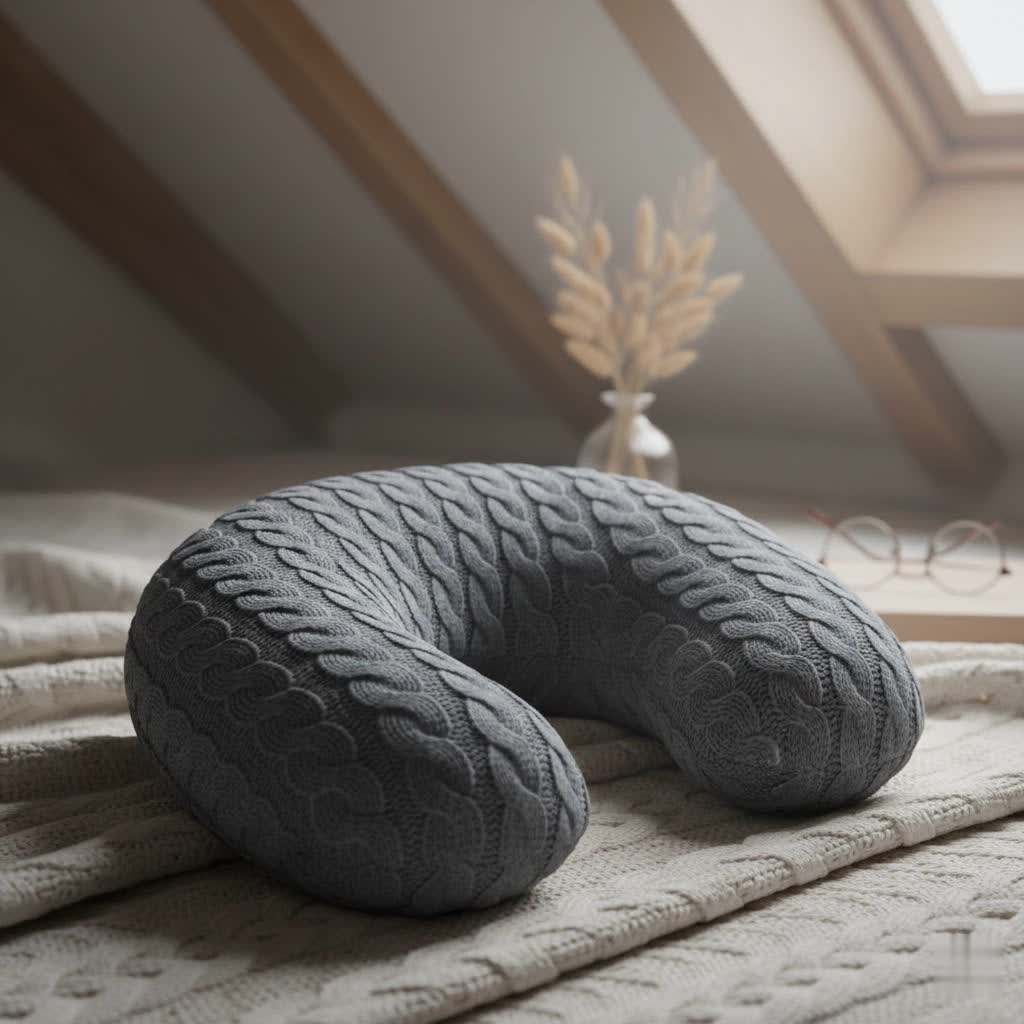
Have you ever woken up feeling more tired than when you went to bed, plagued by a stiff neck or persistent discomfort that lingers throughout your day? You’re not alone. For many, a restless night isn’t just about poor sleep; it’s a direct contributor to chronic neck pain. The silent culprit is often your pillow, the very item meant to provide comfort and support. Choosing the right neck pillow isn’t a luxury; it’s a fundamental step towards achieving proper spinal alignment, alleviating pressure points, and unlocking truly restorative sleep. This comprehensive guide will equip you with the knowledge to select the perfect neck pillow tailored to your unique needs, transforming your nights and invigorating your days.
What is a Neck Pillow?
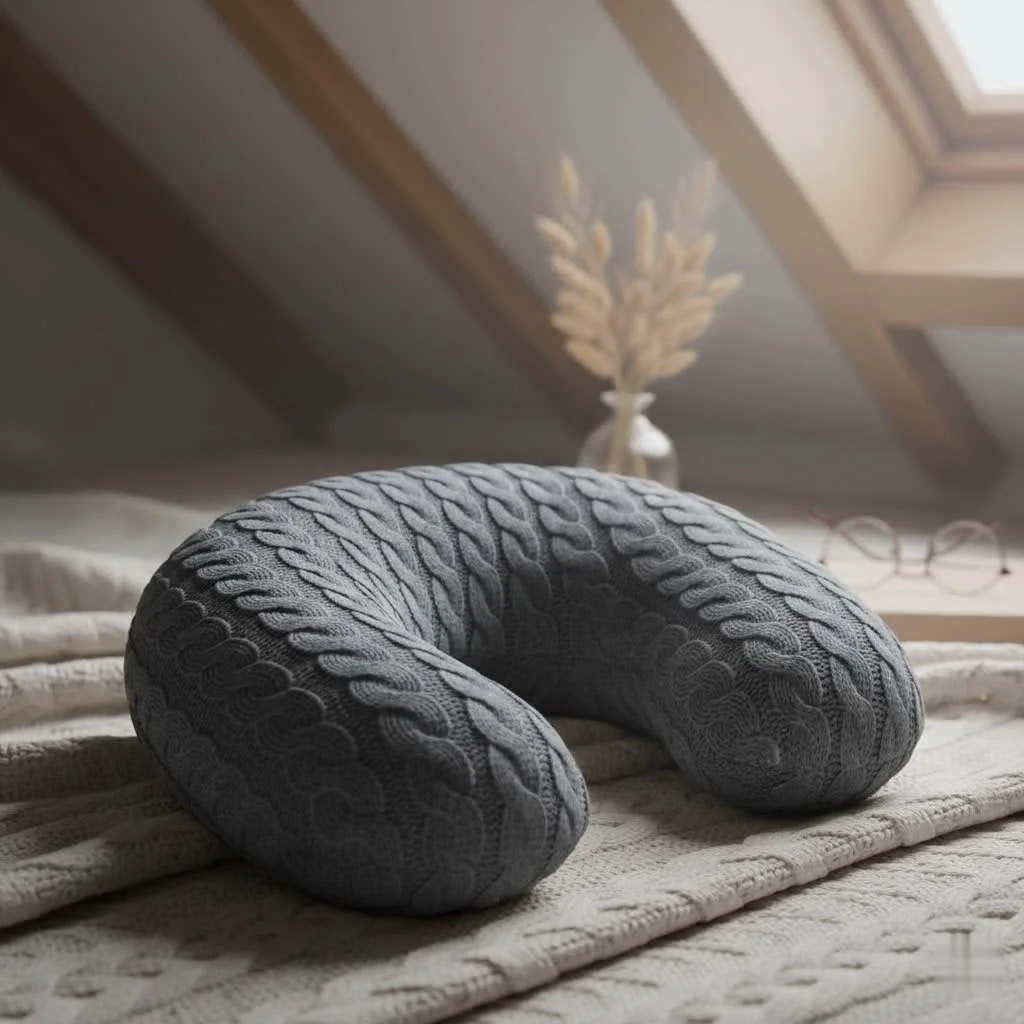
A neck pillow, often referred to as a cervical or orthopedic pillow, is specifically designed to support the natural curve of your cervical spine—the upper part of your backbone that forms your neck. Unlike a standard pillow that might flatten or bunch, a neck pillow maintains a neutral alignment between your head, neck, and spine while you sleep. This intentional design helps to minimize strain on muscles and ligaments, preventing the awkward angles that can lead to pain and stiffness. The goal of these specialized pillows is to cradle your head and neck in a supportive position, promoting optimal posture throughout the night. For shop curated neck pillows on this site.
Why Do You Need a Neck Pillow?
The benefits of incorporating a properly designed neck pillow into your sleep routine extend far beyond simply alleviating immediate discomfort. They address the root causes of many sleep-related issues, leading to significant improvements in overall health and well-being.
- Reduced Neck, Shoulder, and Upper Back Pain: The primary advantage is its ability to reduce and prevent pain. By maintaining neutral spinal alignment, a good neck pillow takes pressure off sensitive areas, allowing muscles to relax and recover. Waking up with a stiff, achy neck is often a sign that your current pillow is working against you.
- Improved Spinal Alignment and Posture: Proper alignment of the head, neck, and spine is crucial. An ergonomic neck pillow ensures your cervical spine remains in a natural position, which can improve your posture not just during sleep but also throughout your day. This consistent support strengthens your body’s resilience against pain.
- Enhanced Sleep Quality and Reduced Tossing and Turning: When your head and neck are adequately supported, your body can fully relax, leading to deeper, more restful sleep. Less discomfort means less tossing and turning, allowing you to cycle through sleep stages more effectively and wake up feeling refreshed. Studies suggest proper neck support can lead to a reduction in neck pain intensity by as much as 36% within three months.
- Prevention of Headaches and TMJ Issues: Poor sleep posture and neck strain can contribute to tension headaches and temporomandibular joint (TMJ) problems. By supporting proper alignment, neck pillows can help mitigate these related conditions. An incorrect pillow can often cause sufferers to have headaches, especially if they wake up with them consistently.
- Ideal for Specific Demographics: While beneficial for everyone, neck pillows are particularly crucial for individuals who spend long hours at a desk, frequently travel, or already suffer from chronic neck conditions like arthritis or herniated discs.
Common Types of Neck Pillows
|
Our Picks for the Best Neck Pillow in 2026
As an Amazon Associate I earn from qualifying purchases.
|
||
| Num | Product | Action |
|---|---|---|
| 1 | Ultra Pain Relief Cooling Pillow for Neck Support, Adjustable Cervical Pillow Cozy Sleeping, Odorless Ergonomic Contour Memory Foam Pillows, Orthopedic Bed Pillow for Side Back Stomach Sleeper |

|
| 2 | SAIREIDER Travel Pillow 100% Pure Memory Foam Travel Neck Pillow, Airplane Pillow for Traveling、Car、Home、Office,Washable Cover(Black) |
|
| 3 | Ultra Pain Relief Cooling Pillow for Neck Support, Adjustable Cervical Pillow Cozy Sleeping, Odorless Ergonomic Contour Memory Foam Pillows, Orthopedic Bed Pillow for Side Back Stomach Sleeper |
|
| 4 | SAIREIDER Travel Pillows for Sleeping Airplane 100% Pure Memory Foam Neck Pillow for Airplanes Washable Cover(Grey) |
|
| 5 | SAIREIDER Travel Neck Pillow 100% Pure Memory Foam Airplane Pillow for Head Support,Soft Adjustable Pillow for Plane, Car & Home Recliner (Pink) |
|
| 6 | Ultra Pain Relief Cooling Pillow for Neck Support, Adjustable Cervical Pillow Cozy Sleeping, Odorless Ergonomic Contour Memory Foam Pillows, Orthopedic Bed Pillow for Side Back Stomach Sleeper |
|
| 7 | SAIREIDER Travel Pillow 100% Pure Memory Foam Travel Neck Pillow with Storage Bag, Airplane Pillow for Traveling、Car、Home、Office,Washable Cover(Black) |
|
| 8 | SAIREIDER Travel Pillows for Sleeping Airplane 100% Pure Memory Foam Neck Pillow for Airplanes Washable Cover with Storage Bag (Grey) |
|
| 9 | Cervical Memory Foam Pillow – Ergonomic Neck Support for Side, Back & Stomach Sleepers - Odorless Beauty Sleep Pillow for Deep Rest (Light Grey, King Size 24.8" Lx16.9 Wx5.9 H) |
|
| 10 | SAIREIDER Neck Pillows for Travel-Head Neck Support Travel Pillow for Traveling, Car, Home, Office Adjustable(Navy Blue) |
|
The market offers a diverse range of neck pillows, each with distinct features designed to cater to different needs and preferences. Understanding these types is the first step toward finding your ideal match.
Cervical (Orthopedic) Pillows
Cervical pillows are the quintessential neck support pillows. They are specifically engineered with a contoured shape, typically featuring a dip in the center to cradle the head and raised edges or a bolster to support the natural curve of the neck. This design ensures the cervical spine maintains proper alignment with the rest of the body.
- Pros: Excellent for maintaining spinal alignment, targeted support for the neck, often recommended by physical therapists and chiropractors.
- Cons: Can have a longer adjustment period due to their unique shape, may not be ideal for frequent position changers.
- Best for: Side and back sleepers with chronic neck pain, those seeking consistent spinal alignment.
Memory Foam Pillows
Memory foam is a popular material choice for neck pillows due to its unique ability to conform to the shape of your head and neck. This allows for personalized support and effective pressure relief. Memory foam pillows can come in solid blocks or as shredded fill.
- Pros: Superb contouring and pressure point relief, good durability, retains shape well. Many are now designed with cooling technologies to address heat retention.
- Cons: Can sometimes trap heat (though cooling versions mitigate this), some may have an initial “off-gassing” smell.
- Best for: All sleep positions, especially those seeking a “hug-like” feel and customized support.
Latex Pillows
Latex pillows, derived from rubber trees (natural latex) or synthetic compounds, offer a buoyant yet supportive feel. They are known for their responsiveness, durability, and ability to retain their shape without needing to be fluffed.
- Pros: Hypoallergenic, resistant to dust mites, highly durable, provides firm yet flexible support, naturally breathable and cool.
- Cons: Can be more expensive than other types, may have a distinct odor initially.
- Best for: Those with allergies, sleepers who prefer a responsive and consistently supportive surface, and individuals who sleep hot.
Adjustable Pillows
Adjustable pillows allow you to customize their loft (height) and firmness by adding or removing fill material. This versatility makes them highly adaptable to individual preferences and varying sleep positions. Fill materials often include shredded memory foam, kapok, or microfiber.
- Pros: Highly customizable for personalized comfort, can adapt to different sleeping positions, offers excellent value.
- Cons: Requires some experimentation to find the “sweet spot,” may need occasional fluffing depending on the fill.
- Best for: Combination sleepers, those unsure of their ideal loft or firmness, and individuals seeking a truly personalized sleep experience.
Bảng So Sánh Các Loại Gối Kê Cổ
| Pillow Type | Material | Support Level | Ideal Sleeper | Pros | Cons |
|---|---|---|---|---|---|
| Cervical/Orthopedic | Memory Foam, Latex, Polyfill | Targeted, Contoured | Back & Side Sleepers (chronic pain) | Excellent spinal alignment, precise neck support | May require adjustment period, less versatile for combination sleepers |
| Memory Foam | Solid or Shredded Memory Foam | Conforming, Pressure Relief | All Sleep Positions | Molds to shape, pressure relief, durable, many cooling options | Can retain heat (older models), potential off-gassing |
| Latex | Natural or Synthetic Latex | Firm, Responsive, Flexible | All Sleep Positions, Hot Sleepers | Hypoallergenic, durable, breathable, consistent support | Can be expensive, heavier, unique feel not for everyone |
| Adjustable | Shredded Memory Foam, Kapok, Microfiber | Customizable | All Sleep Positions, Combination Sleepers | Highly personalized loft/firmness, adaptable | Requires self-adjustment, fill material may shift |
Hướng Dẫn Chọn Mua Gối Kê Cổ Phù Hợp
Choosing the perfect neck pillow is a personal journey, as what works for one person might not work for another. It requires understanding your body, sleep habits, and health needs.
Xác định nhu cầu sử dụng (Identify Your Sleeping Position and Needs)
Your primary sleeping position is the most critical factor in determining the type of pillow you need to alleviate neck pain.
- For Back Sleepers: You need a pillow that provides moderate height and a medium-firm feel, supporting the natural curve of your neck without pushing your head too far forward. The goal is to keep your chin in a neutral position, aligned with your spine.
- For Side Sleepers: A firmer, higher-loft pillow is typically recommended. This is essential to fill the gap between your shoulder and head, ensuring your neck remains in a straight line with your spine, preventing downward sloping.
- For Stomach Sleepers: This position is generally discouraged for individuals with neck pain as it often strains the neck. If you must sleep on your stomach, opt for a very soft, low-profile pillow, or even no pillow at all, to keep your spine as aligned as possible. Many experts recommend trying to transition to side or back sleeping to reduce neck strain.
- For Combination Sleepers: Adjustable pillows are an excellent choice as they allow you to modify the loft and firmness to suit different positions throughout the night.
Chọn chất liệu phù hợp (Choose the Right Material)
The pillow’s filling material plays a significant role in its comfort, support, and durability.
- Memory Foam: Known for its excellent contouring capabilities, memory foam molds to your head and neck, providing customized support and pressure relief. Look for gel-infused or open-cell memory foam if you tend to sleep hot.
- Latex: Offers a more buoyant and responsive feel than memory foam. It’s durable, hypoallergenic, and naturally breathable, making it a good choice for those with allergies or who prefer a cooler sleep surface.
- Other Materials (e.g., Down/Down Alternative, Polyfill): While soft and luxurious, these may not provide sufficient firm support for severe neck pain unless specifically designed with supportive structures or adjustable fills. They might be suitable for mild pain or those who prefer a very soft feel and can adjust it.
Chọn kích thước và hình dáng phù hợp (Select the Appropriate Size and Shape)
The size and shape of your pillow should complement your body type and sleep position to ensure proper alignment.
- Contoured Shapes: Cervical or orthopedic pillows often have specific contours (like waves or butterfly shapes) that are designed to cradle the head and support the neck’s natural curve.
- Adjustable Loft: Many pillows come with removable inserts or adjustable fill, allowing you to fine-tune the height to perfectly match your body and sleeping position.
- Pillow Size: Ensure the pillow fits comfortably within your bed setup and provides ample space for your head to rest without falling off.
Kiểm tra độ đàn hồi và độ nâng đỡ (Assess Firmness and Support)
The right balance of firmness and support is crucial for neck pain relief. A pillow that’s too soft won’t offer enough support, while one that’s too firm can create pressure points.
- Medium-Firm: Many experts suggest a medium-firm pillow for a good balance of support and comfort.
- Consistent Support: The pillow should maintain its shape and supportive qualities throughout the night, preventing your head from sinking too far or losing alignment.
- “The key is to find a pillow that will maintain your neck in a neutral position. Meaning, in line with your spine and not overly flexed in any direction.” — Nicholas Anastasio, MD, board-certified physician at Orthopedics and Joint Replacement at Mercy Medical Center.
Tìm hiểu về thương hiệu và đánh giá của người dùng (Research Brands and User Reviews)
While specific product recommendations are subjective and can change, general advice includes:
- Reputable Brands: Choose pillows from established brands known for quality and ergonomic design.
- Read Reviews: Pay attention to user reviews, particularly those from individuals with similar sleep positions or neck pain concerns. Look for comments on durability, comfort, and actual pain relief.
- Trial Periods and Warranties: Many reputable brands offer sleep trials (e.g., 30-100 nights) and warranties, allowing you to test the pillow at home and return it if it’s not the right fit.
Top 5 Neck Pillows to Consider for Neck Pain Relief
While specific brand recommendations can vary, certain categories consistently deliver effective neck pain relief. Here are the top 5 types of neck pillows renowned for their ability to promote comfort and proper alignment:
- The Adjustable Shredded Memory Foam Pillow: These pillows offer unparalleled customization, allowing you to add or remove fill to achieve your perfect loft and firmness. This adaptability makes them suitable for a wide range of sleepers and varying neck pain severities.
- The Contoured Memory Foam Cervical Pillow: Designed with ergonomic curves, these pillows feature a central dip for your head and raised sides to support your neck’s natural arch. They are excellent for targeted cervical support, promoting consistent spinal alignment for back and side sleepers.
- The Responsive Latex Pillow: Known for its buoyant feel and durability, latex pillows offer firm yet flexible support. They quickly adapt to movement and retain their shape throughout the night, providing consistent alignment without the “sink-in” feel of traditional memory foam.
- The Side Sleeper Specific Pillow: Many brands offer pillows uniquely shaped (e.g., crescent or U-shaped) to accommodate the shoulder when sleeping on your side. These are designed with higher lofts and firmer support to bridge the gap between your head and mattress, keeping your neck straight.
- The Cooling Ergonomic Pillow: For those who tend to sleep hot, these pillows incorporate advanced cooling technologies like gel infusions, breathable covers, or specialized foam structures. They combine neck support with temperature regulation for a comfortable and pain-free night.
Mua Gối Kê Cổ Ở Đâu? (Where to Buy a Neck Pillow?)
Finding the right neck pillow is an investment in your health, and knowing where to purchase it can make a difference in your overall experience.
- Online Retailers: Websites like Amazon, dedicated brand sites (e.g., Tempur-Pedic, Saatva), and specialty sleep product e-commerce stores offer a vast selection. Look for comprehensive product descriptions, customer reviews, and clear return policies.
- Specialty Sleep Stores: Visiting a physical store allows you to test out different pillows in person. Many sleep stores have knowledgeable staff who can guide you based on your sleep position and preferences.
- Department Stores: Larger department stores often carry a range of pillow brands, providing another opportunity to feel different materials and designs before purchasing.
When buying a pillow online, pay close attention to the trial period and warranty information. A generous trial period (e.g., 30-100 nights) is invaluable, allowing you to truly assess if the pillow is the right fit for your neck pain relief without commitment.
Cách Vệ Sinh và Bảo Quản Gối Kê Cổ (How to Clean and Maintain Your Neck Pillow)
Proper care and maintenance are essential to extend the life of your neck pillow and ensure it continues to provide optimal support and hygiene.
- Follow Manufacturer Instructions: Always check the care label or manufacturer’s website for specific cleaning instructions, as materials like memory foam and latex often have unique requirements.
- Removable, Washable Covers: Many high-quality neck pillows come with removable and machine-washable covers. Washing these regularly (every 1-2 weeks) helps keep your pillow fresh and free of allergens.
- Spot Cleaning: For spills or stains on the pillow itself, spot clean gently with a mild detergent and water, then allow it to air dry completely before replacing the cover. Avoid saturating memory foam or latex, as this can damage the material.
- Regular Fluffing: Pillows with shredded fill (like shredded memory foam or down alternative) benefit from regular fluffing to redistribute the fill and maintain their loft and support.
- Protection: Using a pillow protector under your pillowcase can add an extra layer of defense against sweat, oils, and allergens, prolonging the pillow’s cleanliness.
- Replacement Frequency: Even the best pillows have a lifespan. Most experts recommend replacing your neck pillow every 1-2 years, or sooner if it starts to lose its shape, firmness, or no longer provides adequate support. Signs it’s time for a new pillow include waking up with increased pain, visible lumps or indentations, or a persistent odor.
Conclusion
Investing in the right neck pillow is a powerful step towards alleviating discomfort and improving your overall sleep health. By understanding the importance of spinal alignment, recognizing your unique sleeping position, and exploring the various types and materials available, you can confidently choose a pillow that genuinely supports your neck and promotes restorative sleep. Remember, your pillow is more than just a headrest; it’s a vital tool for preventing pain, enhancing posture, and ensuring you wake up feeling refreshed and ready to tackle your day. Don’t underestimate the profound impact a well-chosen neck pillow can have on your quality of life. Isn’t it time you invested in the sleep you deserve?
Frequently Asked Questions
What’s the best pillow firmness for neck pain?
The ideal firmness depends on your sleeping position. Back sleepers generally benefit from a medium-firm pillow, while side sleepers often require a firmer, higher-loft pillow to maintain spinal alignment. Stomach sleepers, if they can’t switch positions, need a very soft, low-profile pillow or no pillow at all. The key is to keep your neck in a neutral, aligned position with your spine.
How do I know if my pillow is causing neck pain?
Key warning signs include waking up with neck stiffness or pain, morning headaches, shoulder tension upon waking, or feeling the need to “crack” your neck in the morning. If your pillow is too high, too low, or lacks proper support, it can strain the muscles and ligaments in your neck overnight.
How long does it take to adjust to a new neck pillow?
Most people need about 3-7 nights to fully adjust to a new orthopedic or contoured pillow. Your neck muscles require time to adapt to the different support pattern. If you’re still uncomfortable after a week, the pillow might not be the right fit for your specific sleep style and needs.
Can a neck pillow completely fix my neck pain?
While the right neck pillow can significantly improve sleep-related neck pain and overall sleep quality, it may not completely fix all neck pain. If your pain persists despite using a supportive pillow, it’s advisable to consult with a chiropractor or healthcare provider, as existing injuries or chronic conditions may require professional medical treatment.
What’s the difference between a regular pillow and a cervical pillow?
A regular pillow typically provides uniform support and can often flatten or bunch, potentially leading to misalignment. A cervical (or orthopedic) pillow, however, is specifically designed with contours and specialized shapes to support the natural curve of your neck and maintain proper spinal alignment. This targeted support helps reduce strain and prevent neck pain more effectively than a standard pillow.
Get our weekly buyer guide
Practical specs, not advice. Unsubscribe anytime.
