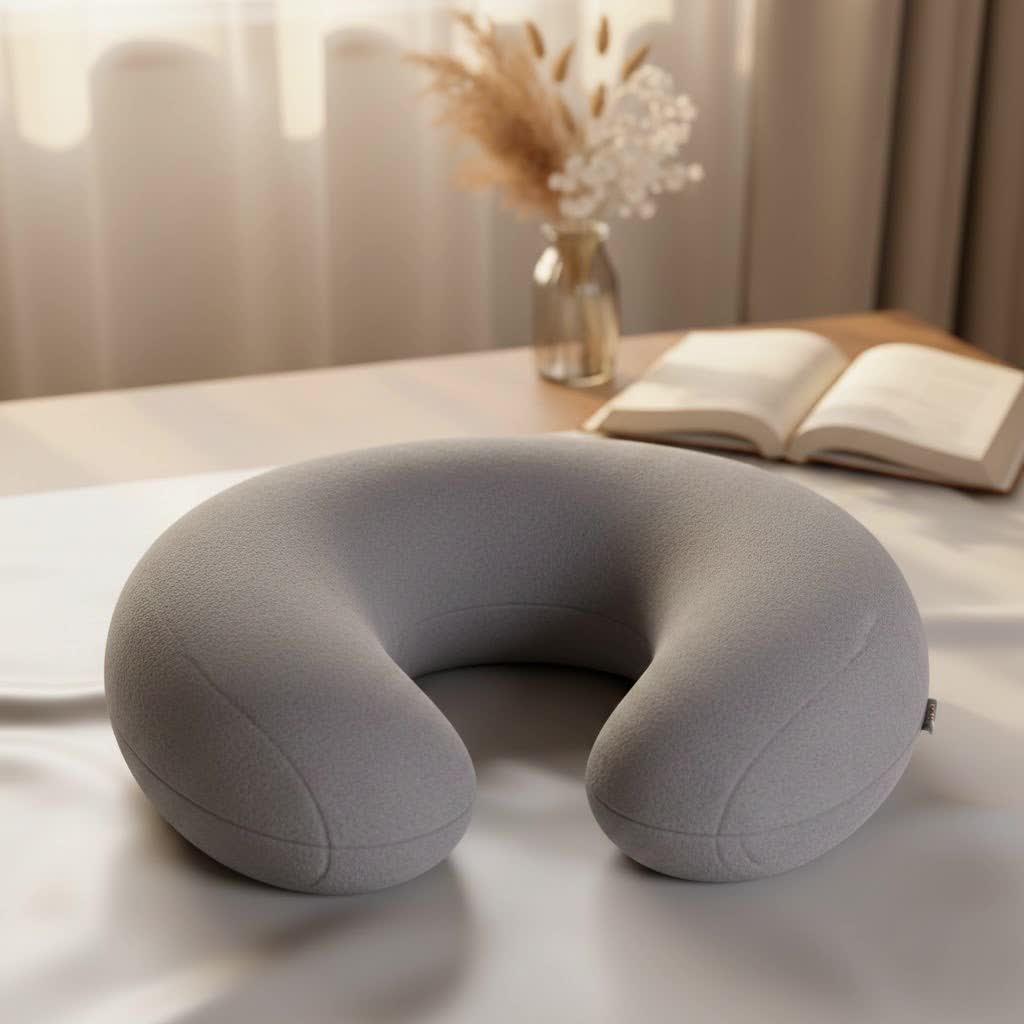
Waking up with a stiff, aching neck can cast a shadow over your entire day, turning morning routines into a painful ordeal. If this sounds familiar, you’re not alone. Chronic neck pain is a widespread issue, affecting a significant portion of the population and often severely disrupting quality sleep. The good news is that often, the root of the problem lies right under your head: your pillow. Finding the right supportive pillow isn’t just about comfort; it’s about investing in your overall health and well-being. This comprehensive guide will help you navigate the world of neck pain pillows, explaining their crucial role, exploring various types, and providing actionable advice to help you select the perfect one for your unique needs.
Understanding Neck Pain and the Role of a Supportive Pillow
What Causes Neck Pain During Sleep?
Neck pain during sleep frequently stems from poor sleeping posture, a common consequence of an unsupportive pillow. Whether it’s the “tech neck” developed from prolonged screen use, a previous injury, or daily stress, these factors can exacerbate discomfort overnight. A pillow that is too high, too low, or lacks adequate firmness can force your cervical spine (neck) out of its natural alignment, placing undue strain on muscles, ligaments, and discs. This misalignment prevents your neck from fully relaxing and recovering, leading to stiffness, soreness, and sometimes even headaches upon waking. For explore our neck pillows reviews on this site.
How Supportive Pillows Bring Relief
The primary function of a supportive pillow is to maintain the neutral alignment of your head, neck, and spine while you sleep. When your spine is properly aligned, your neck muscles can relax, reducing tension and pressure on sensitive areas. A well-chosen pillow cradles the natural curve of your neck, ensuring your head doesn’t tilt too far forward, backward, or to either side. By promoting this optimal posture, supportive pillows can significantly alleviate existing neck pain, prevent new discomfort from forming, and ultimately enhance the depth and restorative quality of your sleep, allowing you to wake up feeling refreshed and pain-free.
Deciphering the World of Supportive Neck Pillows
The market offers a diverse range of supportive pillows, each designed with specific materials and shapes to address different needs. Understanding these variations is key to making an informed choice.
Types of Supportive Pillow Materials
When it comes to the core of your pillow, the material plays a pivotal role in its support, feel, and durability.
-
Memory Foam: This popular material is renowned for its ability to contour precisely to the shape of your head and neck. It responds to body heat and pressure, providing personalized support and excellent pressure relief by distributing weight evenly. While traditional memory foam can sometimes retain heat, many modern versions incorporate cooling gels or breathable designs to mitigate this. It can feel quite rigid for some and might not be ideal if you frequently change sleeping positions, unless it’s a shredded foam variety. Memory foam is best suited for back and side sleepers who desire firm, conforming support that cradles their unique curves.
-
Latex (Natural & Synthetic): Latex pillows offer a distinctive responsive “bounce” that differs from memory foam’s slow-sinking feel. They provide firm yet flexible support, maintaining their shape exceptionally well throughout the night. Natural latex is derived from rubber trees, making it a more eco-friendly and often hypoallergenic option. It’s generally more breathable than memory foam, which is a significant advantage for hot sleepers. However, latex pillows can be more expensive, heavier, and may have a subtle, distinctive initial odor. They are an excellent choice for those seeking resilient, consistent support.
-
Adjustable Fill Pillows: These versatile pillows typically contain shredded memory foam, kapok fiber, or a blend of microfiber and other materials that can be added or removed by the user. This customizable feature allows you to fine-tune the pillow’s loft (height) and firmness to your exact preference. This adaptability makes them highly suitable for combination sleepers or individuals who need precise control over their pillow’s characteristics. While incredibly versatile, they may require occasional fluffing to maintain their shape and can be a bit messy during the initial adjustment phase.
-
Cervical (Orthopedic) Pillows: Distinguished by their unique, contoured shapes, cervical pillows are specifically engineered to support the natural curve of the cervical spine. They often feature a dip in the center to cradle the head and raised edges or bolsters that support the neck. This design actively promotes proper spinal alignment and can be particularly beneficial for individuals with chronic neck pain. However, their specialized shape may require an adjustment period and can be less versatile if you frequently switch between very different sleep positions, especially if you sometimes sleep on your stomach.
-
Down & Feather Pillows: For those who prefer a softer, more luxurious feel, down and feather pillows can still offer good support, especially those with a higher feather content (which provides more firmness than pure down). They are highly moldable, allowing you to “punch” and shape them to your desired comfort. The primary drawback is that they tend to lose loft and require frequent fluffing throughout the night to maintain consistent support. A high-quality down and feather blend can provide a comfortable, adaptable option for those who favor a plush yet supportive feel.
Pillow Shapes for Targeted Support
|
Our Picks for the Best Neck Pillow in 2026
As an Amazon Associate I earn from qualifying purchases.
|
||
| Num | Product | Action |
|---|---|---|
| 1 | Ultra Pain Relief Cooling Pillow for Neck Support, Adjustable Cervical Pillow Cozy Sleeping, Odorless Ergonomic Contour Memory Foam Pillows, Orthopedic Bed Pillow for Side Back Stomach Sleeper |

|
| 2 | SAIREIDER Travel Pillow 100% Pure Memory Foam Travel Neck Pillow, Airplane Pillow for Traveling、Car、Home、Office,Washable Cover(Black) |
|
| 3 | SAIREIDER Travel Pillow 100% Pure Memory Foam Travel Neck Pillow with Storage Bag, Airplane Pillow for Traveling、Car、Home、Office,Washable Cover(Black) |
|
| 4 | Cervical Memory Foam Pillow – Ergonomic Neck Support for Side, Back & Stomach Sleepers - Odorless Beauty Sleep Pillow for Deep Rest (Light Grey, King Size 24.8" Lx16.9 Wx5.9 H) |
|
| 5 | Ultra Pain Relief Cooling Pillow for Neck Support, Adjustable Cervical Pillow Cozy Sleeping, Odorless Ergonomic Contour Memory Foam Pillows, Orthopedic Bed Pillow for Side Back Stomach Sleeper |
|
| 6 | SAIREIDER Travel Neck Pillow 100% Pure Memory Foam Airplane Pillow for Head Support,Soft Adjustable Pillow for Plane, Car & Home Recliner (Pink) |
|
| 7 | SAIREIDER Travel Pillows for Sleeping Airplane 100% Pure Memory Foam Neck Pillow for Airplanes Washable Cover(Grey) |
|
| 8 | SAIREIDER Travel Pillows for Sleeping Airplane 100% Pure Memory Foam Neck Pillow for Airplanes Washable Cover with Storage Bag (Grey) |
|
| 9 | Ultra Pain Relief Cooling Pillow for Neck Support, Adjustable Cervical Pillow Cozy Sleeping, Odorless Ergonomic Contour Memory Foam Pillows, Orthopedic Bed Pillow for Side Back Stomach Sleeper |
|
| 10 | SAIREIDER Neck Pillows for Travel-Head Neck Support Travel Pillow for Traveling, Car, Home, Office Adjustable(Navy Blue) |
|
Beyond materials, the shape of your supportive pillow contributes significantly to its effectiveness in alleviating neck pain.
- Contour/Cervical Shaped: These are specifically designed with an ergonomic shape, often featuring waves or gentle slopes that cradle your head and provide extra support under your neck. This design helps maintain the natural lordotic curve of the cervical spine.
- Traditional Rectangle: While seemingly simple, many supportive pillows come in a traditional rectangular shape. Their support comes from the quality and density of the fill material and their loft.
- Crescent/Cut-Out: Some pillows, particularly those tailored for side sleepers, feature a crescent shape or a cut-out area that accommodates your shoulder, allowing your head and neck to rest in a neutral plane without compression.
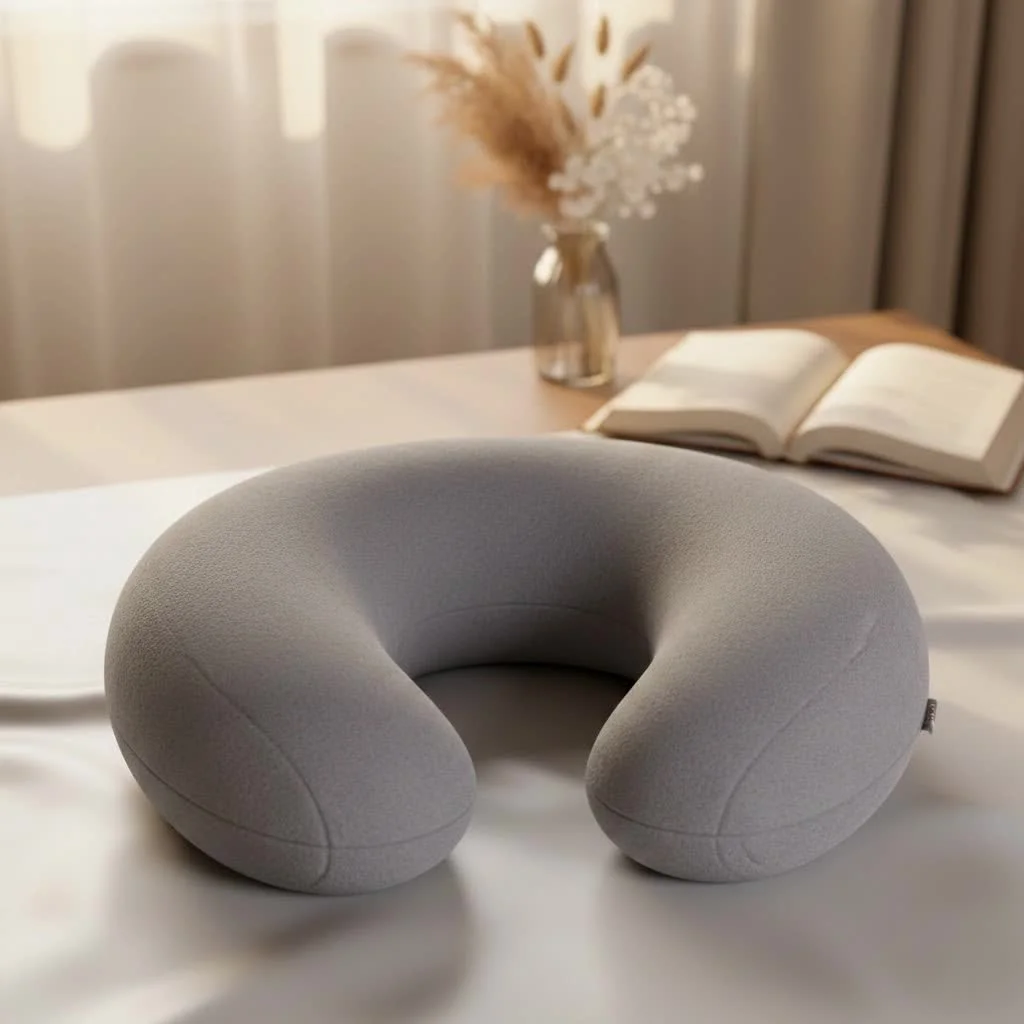
- U-Shaped (Travel): Primarily used for upright support in chairs or during travel, these horseshoe-shaped pillows prevent your head from drooping to the side, providing temporary neck stability.
How to Choose the Perfect Supportive Pillow for Your Neck
Selecting the ideal supportive pillow involves a personalized approach, as what works for one person might not work for another. Consider these crucial factors to guide your decision.
1. Identify Your Primary Sleeping Position
Your dominant sleeping position is perhaps the most critical factor in determining the right pillow height and firmness.
- Back Sleepers: If you primarily sleep on your back, you need a pillow that provides medium firmness and medium loft. The goal is to support the natural inward curve of your neck without pushing your head too far forward, which could strain your cervical spine. Memory foam or water pillows are often excellent choices as they contour to your head and neck, maintaining consistent support. Some cervical pillows are also designed with a specific back-sleeping indentation.
- Side Sleepers: Side sleepers typically require a firmer, higher-loft pillow to fill the gap between their shoulder and head. This ensures your head and neck remain aligned with the rest of your spine, preventing your head from dropping or tilting upwards. Look for firmer latex pillows, adjustable pillows where you can add more fill, or cervical pillows with a raised bolster or a crescent shape that accommodates your shoulder.
- Stomach Sleepers: This position is generally not recommended for individuals with neck pain, as it forces your neck into an unnatural twisted position, exacerbating strain. If you find it impossible to switch, opt for a very thin, soft, low-loft pillow, or even no pillow at all, to minimize neck hyperextension. Consider using a body pillow to support your hips and encourage a gradual shift towards side sleeping.
2. Consider Loft (Pillow Height) and Firmness
Loft refers to the pillow’s height, and getting it right is paramount for spinal alignment. A pillow that’s too high can push your chin towards your chest, while one that’s too low can cause your head to drop backward. Both scenarios create strain.
- Loft: Aim for a loft that keeps your head and neck in a neutral line with your spine, whether you’re on your back or side. The distance between your ear and shoulder can be a good guide for side sleepers.
- Firmness: Medium to firm pillows are generally recommended for back and side sleepers because they provide consistent support and prevent your head from sinking too deeply or changing position during the night. Stomach sleepers, if they use a pillow, need a very soft option.
3. Material Matters: Your Comfort and Support Preference
Revisit the material types discussed earlier (memory foam, latex, adjustable fill, cervical, down/feather). Each offers a different feel and level of support. Consider not just pain relief but also personal comfort. Do you prefer a soft, cloud-like feel or a firm, unyielding one? Think about how the material responds to pressure and how it feels against your skin.
4. Special Considerations and Features
Modern pillows often come with additional features that can enhance your sleep experience and pain relief.
- Adjustability: Pillows with removable fill allow for precise customization of loft and firmness, a major benefit for those who struggle to find the “just right” pillow.
- Cooling Technology: If you tend to sleep hot, look for pillows with cooling gel infusions, breathable covers (like bamboo or GlacioTex fabric), or open-cell foam designs that promote airflow.
- Hypoallergenic Properties: For allergy sufferers, opt for pillows made from naturally hypoallergenic materials like latex or those with specific anti-allergy treatments.
- Durability & Warranty: A supportive pillow is an investment. Check the manufacturer’s warranty and customer reviews regarding durability to ensure your pillow will maintain its support over time.
- Trial Period: Many reputable brands offer a sleep trial, allowing you to test the pillow at home for a certain period. This is invaluable, as it takes time to adjust to a new pillow and assess its true impact on your neck pain.
Top Picks: Highly Recommended Supportive Pillows for Neck Pain
While personal preference is paramount, certain pillow types consistently receive high marks for their ability to alleviate neck pain and promote healthy spinal alignment.
- Adjustable Shredded Foam Pillow: These pillows offer unparalleled customization, allowing you to add or remove fill to achieve your ideal loft and firmness. This versatility makes them excellent for all sleep positions, particularly combination sleepers, ensuring your head and neck are perfectly cradled without compromise. Many users report significant relief as they can tailor the pillow to their exact anatomical needs.
- Ergonomic Contour Memory Foam Pillow: Designed with a distinct orthopedic shape, often featuring a central dip and raised sides, these pillows are engineered to cradle the natural curve of your neck. They provide a firm, consistent level of support that helps maintain neutral spinal alignment, making them a top choice for back and side sleepers suffering from chronic stiffness and pain. The conforming nature of memory foam offers exceptional pressure relief.
- Responsive Latex Pillow: Known for their resilient yet supportive feel, latex pillows offer a consistent bounce that prevents your head from sinking too deeply. They are highly durable, often hypoallergenic, and naturally more breathable than many memory foam options, making them a great choice for those who prefer a firmer, more responsive pillow that also helps regulate temperature.
- Side Sleeper Specific Pillow with Shoulder Cut-out: Innovatively designed with a crescent shape or a specific indentation, these pillows are crafted to accommodate your shoulder while you sleep on your side. This unique design ensures your neck remains in a neutral plane, perfectly aligned with your spine, and prevents the uncomfortable compression of your shoulder into the pillow. They are highly effective for dedicated side sleepers.
- Cooling Gel Memory Foam Pillow: Combining the renowned pressure-relieving benefits of memory foam with advanced cooling technologies, these pillows feature gel infusions, open-cell structures, or breathable covers. They are ideal for individuals who need the conforming support of memory foam but struggle with heat retention, providing a cool and comfortable sleep surface while alleviating neck pain.
Where to Find Your Ideal Supportive Pillow
Once you have a better understanding of what you’re looking for, you can explore various reliable sources to purchase your supportive pillow. Specialty sleep stores offer a wide selection and knowledgeable staff who can guide you. Many larger department stores also carry a range of options. Online retailers provide vast choices, often with detailed reviews and helpful comparison tools; to check for generous trial periods and return policies when buying online. For personalized recommendations, especially if you have chronic or severe neck issues, consulting a healthcare professional like a chiropractor or physical therapist can provide invaluable insights tailored to your specific condition.
Caring for Your Supportive Pillow: Maintenance Tips
Proper care ensures your supportive pillow continues to provide optimal benefits and lasts longer.
- Regular Cleaning: Always follow the manufacturer’s care instructions. Many pillows have removable, washable covers. For the pillow itself, spot cleaning is often recommended, though some are fully machine washable. Regular cleaning helps maintain hygiene and prolong the pillow’s life.
- Fluffing: Pillows with adjustable fills, down, or feather contents benefit from regular fluffing to redistribute the fill and restore their loft and support. This prevents clumping and maintains even support.
- When to Replace: As a general rule, most pillows should be replaced every 1 to 2 years. Signs that it’s time for a new pillow include persistent neck pain despite using it, a noticeable loss of shape or firmness, or if it no longer springs back when folded. A worn-out pillow cannot provide the consistent support your neck needs.
Conclusion
Finding the perfect supportive pillow for neck pain is a transformative step towards achieving restorative sleep and a pain-free morning. By understanding the critical role of spinal alignment, exploring the various materials and shapes available, and considering your unique sleeping position and personal preferences, you can make an informed choice that truly benefits your health. Investing in the right pillow isn’t just about alleviating discomfort; it’s about reclaiming your nights and waking up ready to face the day with renewed energy and comfort. Don’t let neck pain dictate your well-being any longer—take the time to explore your options and discover the supportive pillow that will improve your sleep. What difference could the right supportive pillow make in your life?
Frequently Asked Questions
What firmness is best for a neck pain pillow?
For most back and side sleepers, a medium to firm pillow is ideal to maintain proper spinal alignment. This level of firmness prevents your head from sinking too much, ensuring consistent support. Stomach sleepers, who should ideally avoid this position, require a very soft, low-loft pillow if they use one.
How often should I replace my supportive neck pillow?
It’s generally recommended to replace your supportive neck pillow every 1 to 2 years. However, if your pillow loses its shape, becomes lumpy, no longer provides adequate support, or if you start experiencing new neck pain, it’s time for a replacement sooner.
Can a wrong pillow cause headaches?
Yes, absolutely. A pillow that fails to support the natural curve of your neck can lead to misalignment and increased tension in your neck and shoulder muscles. This sustained tension can often radiate upwards, triggering or exacerbating various types of headaches, including tension headaches.
Are cervical pillows good for all sleeping positions?
Cervical pillows, with their specialized contours, are primarily designed to support back and side sleepers by cradling the neck’s natural curve and maintaining spinal alignment. They are generally not recommended for stomach sleepers due to their specific shape, which can force the neck into an uncomfortable position in that posture.
What is pillow “loft”?
Pillow loft refers to its height or thickness. It’s a crucial factor because the correct loft is essential for keeping your head and neck in neutral alignment with your spine. The ideal loft varies based on your sleeping position and individual body build, particularly your shoulder width.
Get our weekly buyer guide
Practical specs, not advice. Unsubscribe anytime.
