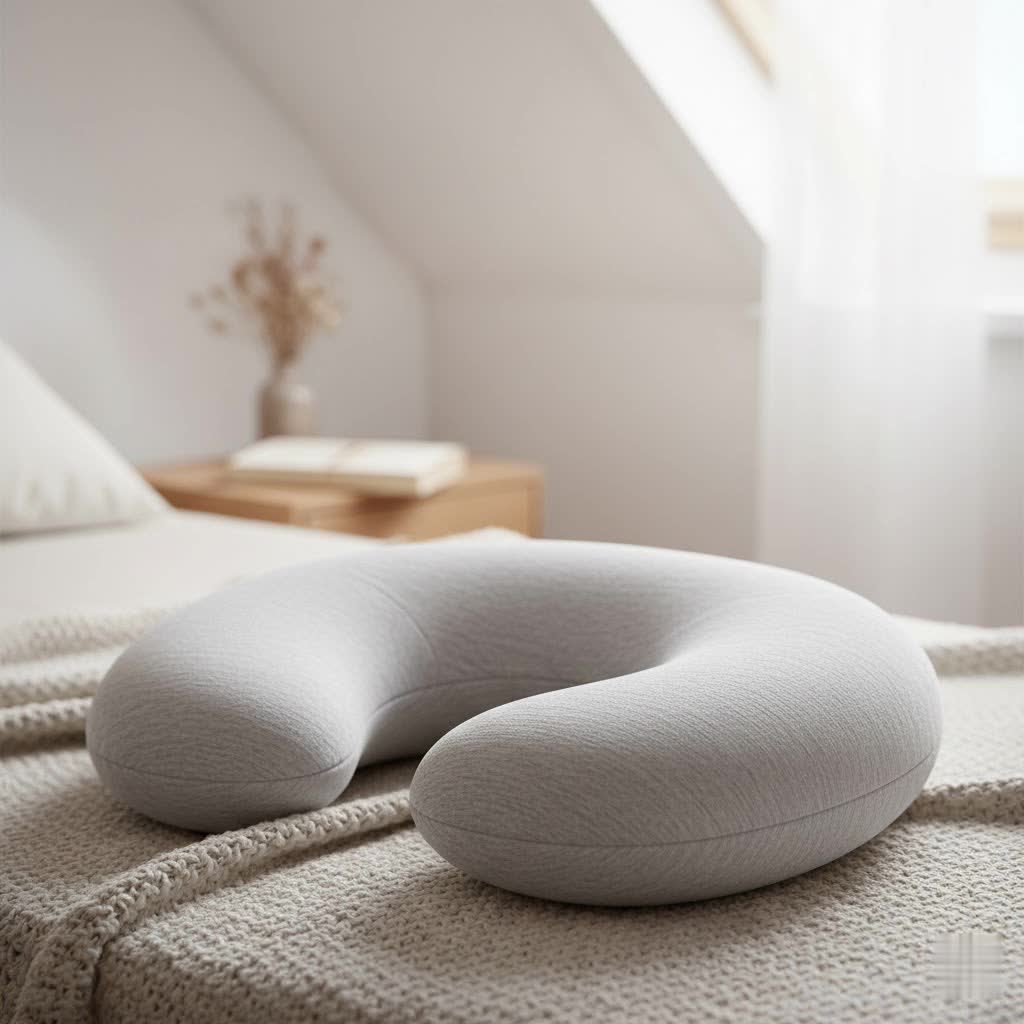
(Introduction)
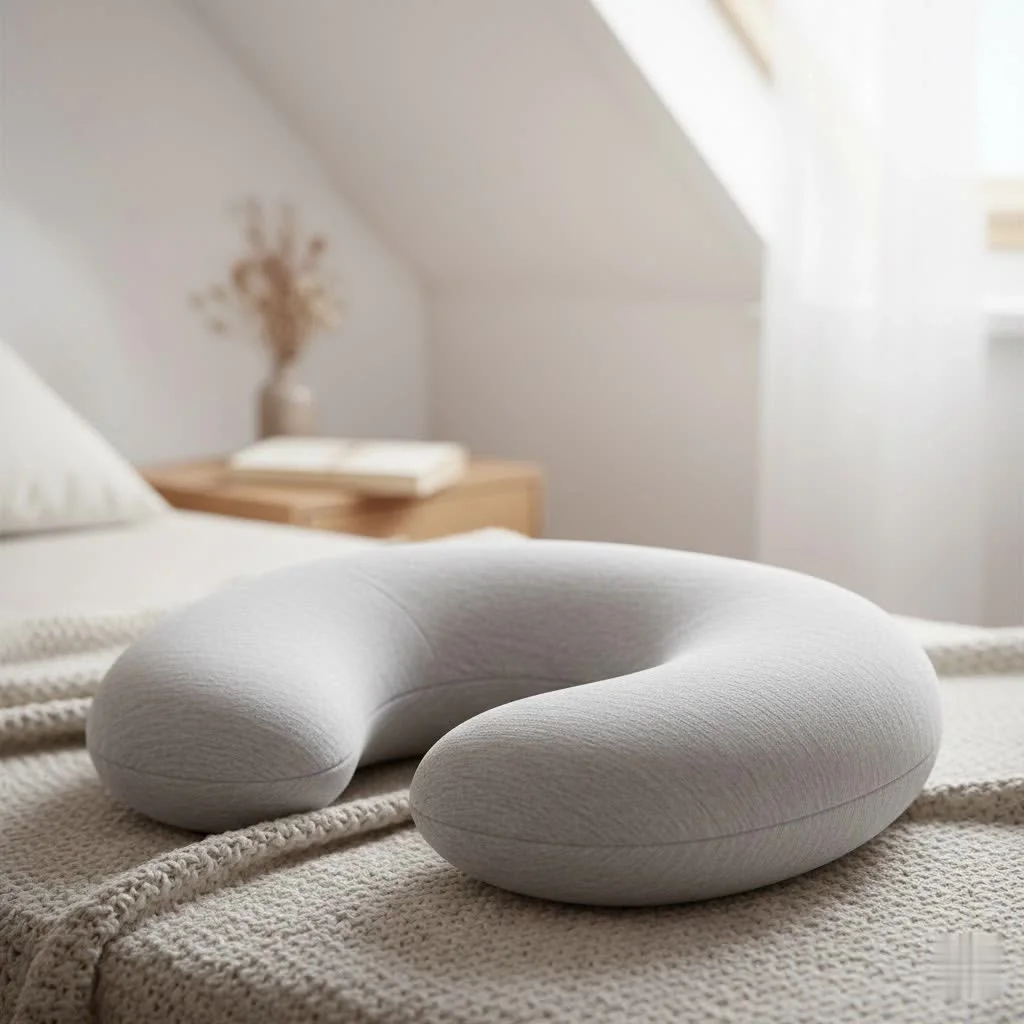
- Hook: Waking up with neck pain?
- Problem: Poor pillow choice exacerbates neck issues.
- Solution: Therapy pillows for proper spinal alignment and relief.
- Thesis: This guide will help you understand, choose, and care for the perfect therapy pillow.
What is a Therapy Pillow for the Neck?
- Definition: Specialized pillow designed to support cervical spine.
- Purpose: Promote neutral alignment, alleviate pressure.
- Distinction from regular pillows.
- Common names: Cervical pillow, orthopedic pillow.
Why Do You Need a Therapy Pillow?
- Health Benefits:
- Reduces neck and shoulder pain/stiffness.
- Minimizes headaches.
- Improves sleep posture and quality.
- Supports natural spine curvature.
- Who Benefits Most?
- Chronic neck pain sufferers.
- Office workers (“tech neck”).
- Frequent travelers.
- Individuals with spinal issues (e.g., degenerative disc disease, herniated discs).
- Anyone seeking preventative care and better sleep.
Common Types of Therapy Pillows
- Contour/Cervical Pillows:
- Description: Ergonomic shape, raised edges, central dip.
- Pros: Excellent cervical support, maintains alignment.
- Cons: May not suit all sleep positions, adjustment period.
- Best for: Back and side sleepers.
- Memory Foam Therapy Pillows:
- Description: Viscoelastic material, conforms to shape.
- Pros: Superior pressure relief, contouring support.
- Cons: Can retain heat, off-gassing, can feel too dense.
- Best for: Back and side sleepers needing firm, consistent support.
- Latex Therapy Pillows:
- Description: Made from natural or synthetic rubber, bouncy, responsive.
- Pros: Durable, breathable (cooler), hypoallergenic, consistent support without sinking too much.
- Cons: Can be expensive, distinct odor initially.
- Best for: All sleepers, especially those who prefer a bouncier feel and cooling.
- Adjustable Therapy Pillows:
- Description: Contains removable fill or layers to customize loft/firmness.
- Pros: Highly customizable, adapts to different sleep positions and preferences, versatile.
- Cons: May require experimentation, can be messy with shredded fill.
- Best for: Combination sleepers, those unsure of ideal loft/firmness.
- (Self-correction: I’ll integrate U-shaped and cylindrical as specific forms within the “contour” or “travel” context, or mention them briefly if they’re not explicitly therapeutic-focused beyond general neck support.) My research heavily pointed to contour, memory foam, latex, and adjustable as the main therapy pillow types. I will focus on these for the main body sections as they align better with the “therapy” aspect. U-shaped are typically travel pillows, and cylindrical could be a bolster, but the core therapeutic types are these four.
Comparing Therapy Pillow Features: A Quick Guide
| Feature | Contour/Cervical Pillow | Memory Foam Pillow | Latex Pillow | Adjustable Pillow |
|---|---|---|---|---|
| Material | Often memory foam or dense foam | Polyurethane foam (solid or shredded) | Natural or synthetic rubber (molded or shredded) | Various (shredded memory foam, latex, kapok, microfiber) |
| Shape | Ergonomic, butterfly, wave, bolster | Traditional or contoured | Traditional or contoured | Traditional, allows customization |
| Support | Targeted cervical support, cradles head | Conforming, pressure-relieving, dense | Responsive, buoyant, consistent, aligns spine | Customizable support and alignment |
| Firmness | Medium to firm | Medium to firm | Medium to firm | Adjustable (soft to firm) |
| Loft | Specific, fixed (sometimes adjustable inserts) | Varies, often medium to high | Varies, often medium to high | Highly adjustable |
| Breathability | Varies, can be warm | Can retain heat | Naturally breathable, cooler | Varies by fill; often uses cooling covers |
| Pros | Excellent alignment, targeted pain relief | Molds to body, superior pressure point relief | Durable, hypoallergenic, cooling, responsive, quiet | Highly versatile, personalized comfort |
| Cons | Adjustment period, less versatile for combo sleepers | Can sleep hot, initial off-gassing smell, heavy | Can be expensive, initial odor (natural latex), heavy | Can be messy to adjust, initial cost |
| Best For | Back/side sleepers with specific neck pain | Back/side sleepers needing deep contouring | All sleepers, especially those preferring responsiveness/cooling | All sleepers, especially combination sleepers and those with evolving needs |
How to Choose the Perfect Therapy Pillow
- Assess Your Sleeping Position:
- Side sleepers: High loft, firm to medium-firm.
- Back sleepers: Medium loft, medium-firm.
- Stomach sleepers: Low loft, soft, or no pillow.
- Consider Pillow Loft (Height):
- Ensures neutral spinal alignment (ears aligned with shoulders, chin with sternum).
- Factors: Body size, shoulder width.
- Determine Pillow Firmness:
- Match to sleeping position and personal comfort.
- Choose the Right Material:
- Memory foam for deep contouring.
- Latex for responsive, breathable support.
- Adjustable fill for versatility.
- Evaluate Pillow Shape:
- Contour for targeted cervical support.
- Crescent for side sleepers.
- Look for Special Features:
- Cooling technology (gel, breathable covers).
- Hypoallergenic properties.
- Washable covers.
- Check Trial Periods and Warranties:
- Important for investment and satisfaction.
Top Therapy Pillow Features to Look For (This will incorporate a “Top 5” feel without directly listing products)
- Adjustable Loft & Firmness: Allows personalization for perfect spinal alignment.
- Ergonomic Design: Contoured or cervical shapes that cradle the neck.
- Pressure-Relieving Material: Memory foam or latex for superior comfort.
- Breathability & Cooling: Features that prevent overheating, crucial for comfort.
- Durable & Hypoallergenic Construction: Ensures longevity and reduces allergens.
Where to Buy Your Therapy Pillow
- Specialty sleep stores.
- Online retailers (Amazon, brand websites).
- Department stores.
- Consult with a medical professional (chiropractor, physical therapist) for recommendations.
- Tips for online shopping: Read reviews, check return policies.
Caring for Your Therapy Pillow
- Cleaning:
- Follow manufacturer instructions (removable covers often machine washable, some require spot cleaning).
- Regularly wash pillowcases.
- Maintenance:
- Fluff pillows regularly (especially down/shredded fill) to maintain shape and loft.
- Replace pillows every 1-2 years or when they lose support.
(Conclusion) For neck pillows buying guides on this site.
- Recap: Importance of therapy pillows for sleep quality and neck health.
- Reiterate key takeaways: Choosing by sleep position, material, adjustability.
- CTA: Invest in a quality therapy pillow for lasting relief.
- Open question: What difference has a specialized pillow made for your sleep?
Frequently Asked Questions
Can a therapy pillow really cure neck pain?
|
Our Picks for the Best Neck Pillow in 2026
As an Amazon Associate I earn from qualifying purchases.
|
||
| Num | Product | Action |
|---|---|---|
| 1 | Ultra Pain Relief Cooling Pillow for Neck Support, Adjustable Cervical Pillow Cozy Sleeping, Odorless Ergonomic Contour Memory Foam Pillows, Orthopedic Bed Pillow for Side Back Stomach Sleeper |

|
| 2 | SAIREIDER Travel Neck Pillow 100% Pure Memory Foam Airplane Pillow for Head Support,Soft Adjustable Pillow for Plane, Car & Home Recliner (Pink) |
|
| 3 | SAIREIDER Travel Pillow 100% Pure Memory Foam Travel Neck Pillow, Airplane Pillow for Traveling、Car、Home、Office,Washable Cover(Black) |
|
| 4 | Ultra Pain Relief Cooling Pillow for Neck Support, Adjustable Cervical Pillow Cozy Sleeping, Odorless Ergonomic Contour Memory Foam Pillows, Orthopedic Bed Pillow for Side Back Stomach Sleeper |
|
| 5 | SAIREIDER Neck Pillows for Travel-Head Neck Support Travel Pillow for Traveling, Car, Home, Office Adjustable(Navy Blue) |
|
| 6 | SAIREIDER Travel Pillows for Sleeping Airplane 100% Pure Memory Foam Neck Pillow for Airplanes Washable Cover(Grey) |
|
| 7 | SAIREIDER Travel Pillow 100% Pure Memory Foam Travel Neck Pillow with Storage Bag, Airplane Pillow for Traveling、Car、Home、Office,Washable Cover(Black) |
|
| 8 | SAIREIDER Travel Pillows for Sleeping Airplane 100% Pure Memory Foam Neck Pillow for Airplanes Washable Cover with Storage Bag (Grey) |
|
| 9 | Ultra Pain Relief Cooling Pillow for Neck Support, Adjustable Cervical Pillow Cozy Sleeping, Odorless Ergonomic Contour Memory Foam Pillows, Orthopedic Bed Pillow for Side Back Stomach Sleeper |
|
| 10 | Cervical Memory Foam Pillow – Ergonomic Neck Support for Side, Back & Stomach Sleepers - Odorless Beauty Sleep Pillow for Deep Rest (Light Grey, King Size 24.8" Lx16.9 Wx5.9 H) |
|
- Answer focuses on alleviation and management, not a “cure.” It provides support for proper alignment, which is key to reducing pain. Consult a doctor for chronic conditions.
How long does it take to adjust to a new therapy pillow?
- Answer: Typically a few nights to a couple of weeks, depending on the person and the pillow type. Some ergonomic shapes require more adjustment.
Are therapy pillows only for people with existing neck problems?
- Answer: No, they can also be used for preventative measures, maintaining good posture, and improving general sleep quality even without existing pain.
What is the ideal firmness for a therapy pillow?
- Answer: Depends on sleep position (side: firm; back: medium-firm; stomach: soft). Goal is neutral spine alignment.
How often should I replace my therapy pillow?
- Answer: Generally every 1-2 years, or sooner if it loses its shape, support, or causes discomfort.
Semantic Keywords and Variations:
- Cervical pillow, orthopedic pillow, neck support pillow, ergonomic pillow, contoured pillow.
- Neck pain relief, shoulder pain, stiffness, headaches, spinal alignment, posture.
- Memory foam, latex, down alternative, adjustable fill.
- Side sleeper, back sleeper, stomach sleeper, combination sleeper.
- Loft, firmness, breathability, cooling, support, comfort.
- Sleep quality, restorative sleep, physical therapy.
Confidence Score: 5/5 – I have comprehensive information from multiple expert-backed sources.
Strategizing complete. I will now generate the article.
Get our weekly buyer guide
Practical specs, not advice. Unsubscribe anytime.
