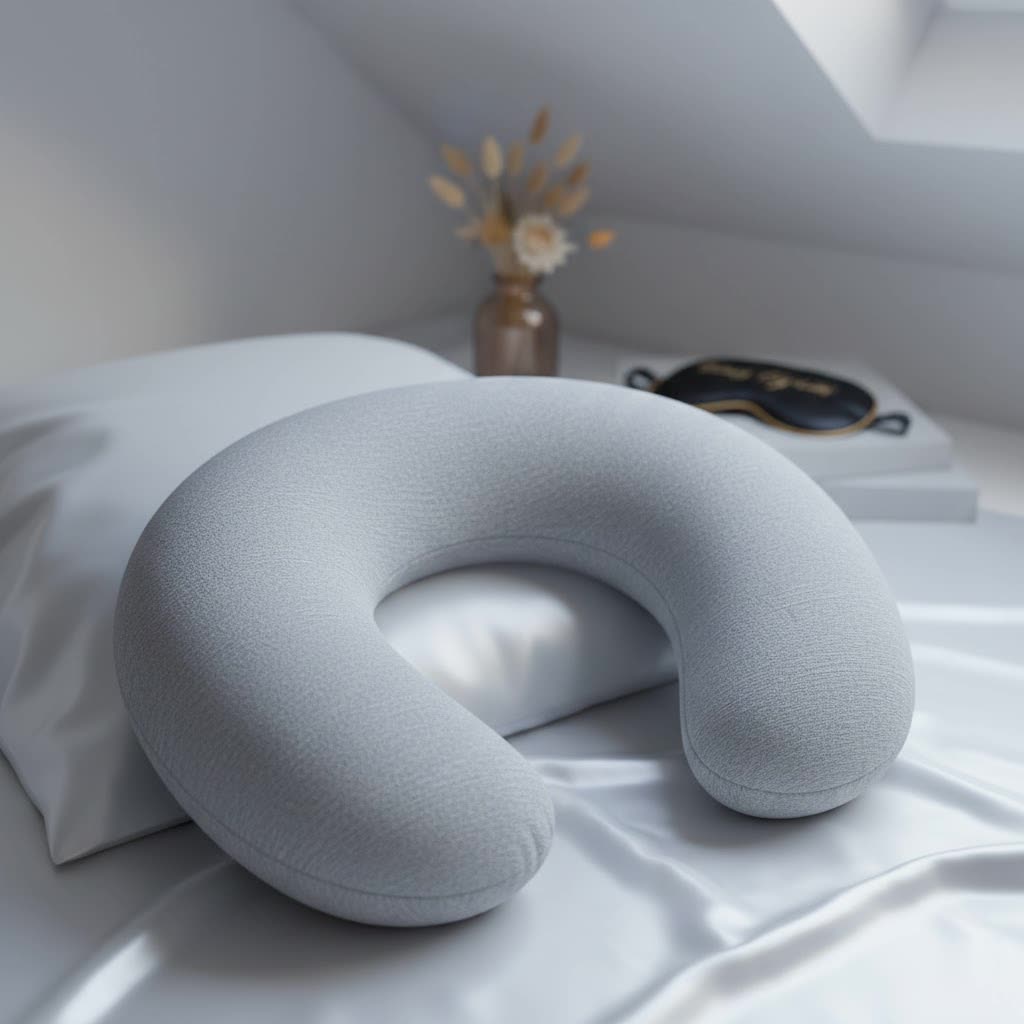
Waking up with a stiff, aching neck is a frustrating experience that can disrupt your entire day. If you find yourself constantly tossing, turning, or adjusting your pillow throughout the night, it’s a clear sign that your current sleep support might be working against you. The good news is that investing in the right pillow for neck pain can significantly improve your sleep quality and offer lasting relief, allowing you to wake up feeling refreshed and pain-free.
What Exactly is a Neck Pillow?
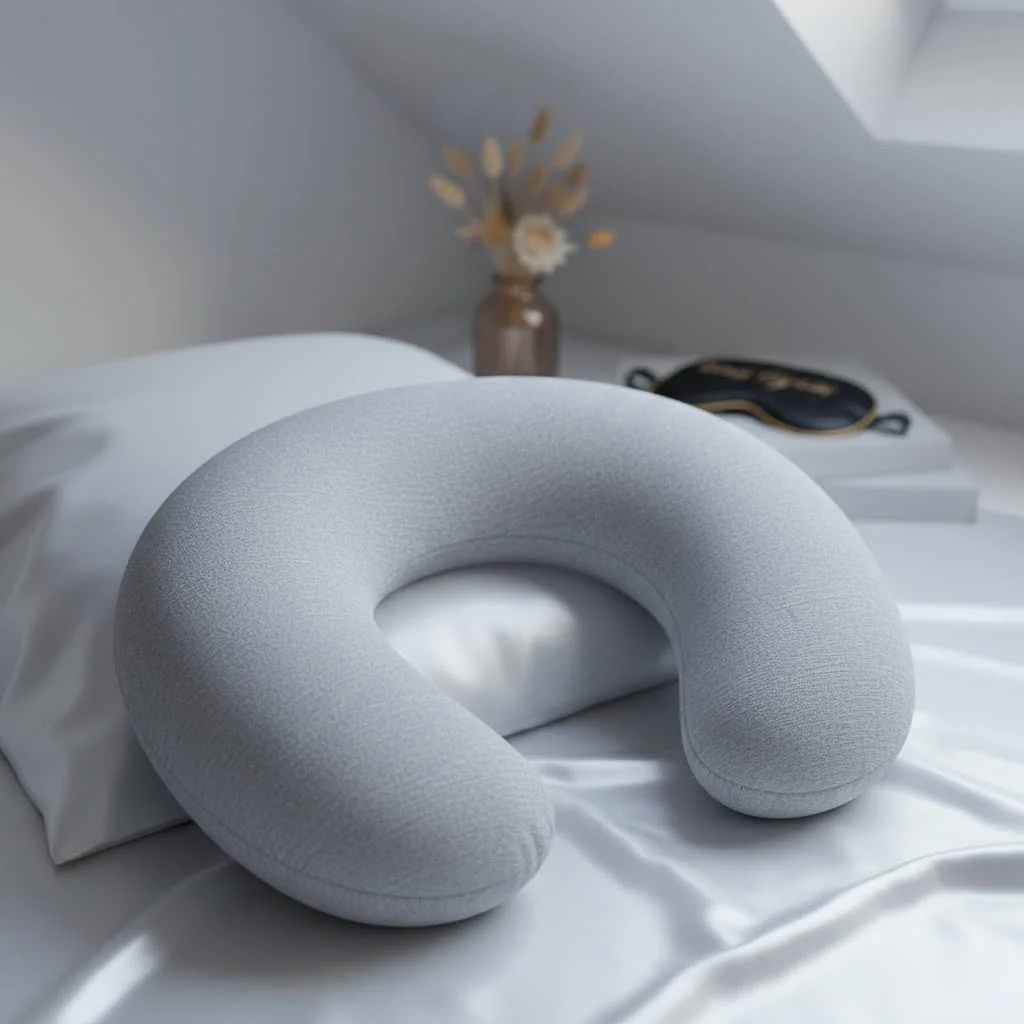
A neck pillow, often referred to as a cervical or orthopedic pillow, is specifically designed to support the natural curve of your neck (the cervical spine) while you sleep. Unlike standard pillows that might flatten or offer inconsistent support, these specialized pillows aim to keep your head and neck in neutral alignment with the rest of your spine. This critical alignment helps to reduce strain on muscles and ligaments, preventing pain and discomfort. For explore our neck pillows reviews on this site.
On the market, you’ll find various types crafted to cater to different needs and sleeping styles. These can range from contour pillows with specific dips and raised edges to adjustable designs allowing for personalized loft and firmness. The common goal across all designs is to provide targeted support, ensuring your neck isn’t bent at an awkward angle, whether you’re sleeping on your back or side.
Why Do You Need the Right Neck Pillow?
The importance of a well-chosen neck pillow cannot be overstated, especially for those experiencing persistent neck pain. As Dr. Raj Dasgupta, a Sleepopolis Chief Medical Advisor, emphasizes, “A supportive pillow is important for maintaining proper spinal alignment and neck posture throughout the night.” Without adequate support, you may encounter poor sleep quality, discomfort, and wake up with stiffness or pain.
Beyond simply alleviating existing discomfort, the right neck pillow offers several health benefits:
- Pain Reduction: By maintaining neutral spinal alignment, a good neck pillow can reduce pressure on the cervical spine, minimizing aches in the neck, shoulders, and upper back.
- Improved Sleep Quality: When your neck is properly supported, your muscles can relax, leading to deeper, more restorative sleep cycles.
- Better Posture: Consistent support during sleep can help reinforce healthy spinal posture throughout your waking hours.
- Prevention of Headaches: Many tension headaches originate from neck strain, and a supportive pillow can significantly reduce their occurrence.
Anyone can benefit from a supportive neck pillow, but certain individuals may find it particularly essential. This includes office workers who spend long hours at a desk, individuals who frequently travel, or anyone with pre-existing spinal issues like degenerative disc disease or arthritis. For these groups, a tailored pillow isn’t just a comfort item, but a crucial component of their overall health and well-being.
Exploring Popular Neck Pillow Types
Choosing the best pillow for neck pain often comes down to understanding the different types available and how they cater to various sleep needs and preferences. Each material and shape offers unique benefits designed to promote proper spinal alignment and relieve pressure.
Contour/Cervical Pillows
|
Our Picks for the Best Neck Pillow in 2026
As an Amazon Associate I earn from qualifying purchases.
|
||
| Num | Product | Action |
|---|---|---|
| 1 | SAIREIDER Travel Pillows for Sleeping Airplane 100% Pure Memory Foam Neck Pillow for Airplanes Washable Cover(Grey) |

|
| 2 | SAIREIDER Travel Pillow 100% Pure Memory Foam Travel Neck Pillow with Storage Bag, Airplane Pillow for Traveling、Car、Home、Office,Washable Cover(Black) |
|
| 3 | SAIREIDER Travel Neck Pillow 100% Pure Memory Foam Airplane Pillow for Head Support,Soft Adjustable Pillow for Plane, Car & Home Recliner (Pink) |
|
| 4 | Ultra Pain Relief Cooling Pillow for Neck Support, Adjustable Cervical Pillow Cozy Sleeping, Odorless Ergonomic Contour Memory Foam Pillows, Orthopedic Bed Pillow for Side Back Stomach Sleeper |
|
| 5 | SAIREIDER Neck Pillows for Travel-Head Neck Support Travel Pillow for Traveling, Car, Home, Office Adjustable(Navy Blue) |
|
| 6 | SAIREIDER Travel Pillows for Sleeping Airplane 100% Pure Memory Foam Neck Pillow for Airplanes Washable Cover with Storage Bag (Grey) |
|
| 7 | SAIREIDER Travel Pillow 100% Pure Memory Foam Travel Neck Pillow, Airplane Pillow for Traveling、Car、Home、Office,Washable Cover(Black) |
|
| 8 | Cervical Memory Foam Pillow – Ergonomic Neck Support for Side, Back & Stomach Sleepers - Odorless Beauty Sleep Pillow for Deep Rest (Light Grey, King Size 24.8" Lx16.9 Wx5.9 H) |
|
| 9 | Ultra Pain Relief Cooling Pillow for Neck Support, Adjustable Cervical Pillow Cozy Sleeping, Odorless Ergonomic Contour Memory Foam Pillows, Orthopedic Bed Pillow for Side Back Stomach Sleeper |
|
| 10 | Ultra Pain Relief Cooling Pillow for Neck Support, Adjustable Cervical Pillow Cozy Sleeping, Odorless Ergonomic Contour Memory Foam Pillows, Orthopedic Bed Pillow for Side Back Stomach Sleeper |
|
These pillows feature a distinctive ergonomic design, often with a raised edge that cradles the neck and a shallower dip for the head. This shape is specifically engineered to support the natural “backward-C” curve of your cervical spine.
- Advantages: Excellent for maintaining neutral spinal alignment, especially for back and side sleepers. They help prevent the neck from collapsing or being pushed into an unnatural angle. Many models, like the Core Products Tri-Core Cervical Support Pillow, offer dual bolsters of different sizes for customizable support.
- Disadvantages: The specialized shape can take some getting used to. They may feel too rigid or restrictive for some sleepers who prefer more freedom of movement. Not typically suitable for stomach sleepers.
- Best For: Back and side sleepers seeking consistent, targeted support for chronic neck pain, tech neck, or posture correction.
Cervical Roll Pillows
Cervical roll pillows are cylindrical bolsters, typically made of memory foam, designed to be placed directly under the neck to fill the natural curve.
- Advantages: Provides firm, focused support to the neck. Can be used alone or in conjunction with a standard pillow for added support. Easily portable.
- Disadvantages: Dr. Jaspal R. Singh, a physician specializing in physical medicine and rehabilitation, advises that using a cervical roll on its own might not be enough, as “only the neck is supported; the head isn’t, the upper back isn’t.” This can lead to other areas of the upper body feeling unsupported.
- Best For: Individuals who need extra support for the cervical curve, often used by back sleepers, or as an accent pillow for specific relief.
Memory Foam Pillows
Memory foam is a viscoelastic polyurethane foam known for its ability to contour precisely to the shape of your head and neck, providing personalized pressure relief.
- Advantages: Exceptional contouring and pressure-relieving properties, which can be highly effective for neck pain. It provides a “hug-like” feel and retains its shape well throughout the night. Memory foam can come in solid blocks or shredded forms, with shredded versions offering more breathability and adjustability.
- Disadvantages: Traditional memory foam can sometimes trap heat, leading to discomfort for hot sleepers. Some find the dense, slow-response feel too restrictive. Initial off-gassing odor can occur.
- Best For: Back and side sleepers who appreciate deep contouring, consistent support, and significant pressure relief. Modern cooling memory foam options address temperature concerns.
Latex Pillows
Made from natural or synthetic rubber, latex pillows are renowned for their responsive, buoyant feel and excellent durability.
- Advantages: Offers firm yet flexible support that immediately springs back into shape. Naturally hypoallergenic and resistant to dust mites. Generally more breathable and cooler than traditional memory foam. Provides a “sleeping on top” sensation rather than sinking in.
- Disadvantages: Can be heavier and more expensive than other types. Some individuals may find the bouncy feel less appealing than the slow sink of memory foam. Natural latex can have a distinct, though usually faint, odor initially.
- Best For: All sleeping positions, especially those who need robust, consistent support, suffer from allergies, or tend to sleep hot.
Adjustable Fill Pillows
These innovative pillows allow you to customize the amount of filling, giving you complete control over the pillow’s loft and firmness. Fillings typically include shredded memory foam, latex noodles, or a blend of fibers.
- Advantages: The ultimate in personalization, allowing you to tailor the pillow to your exact needs and sleeping position. As Dr. Wesley Bronson, Assistant Professor of Orthopedic Surgery at Mount Sinai Hospital, notes, “Adjustable pillows can be great as they can be used to contour to any sleeping position.” This adaptability makes them ideal for combination sleepers or those unsure of their ideal loft.
- Disadvantages: Requires some trial and error to find the perfect configuration. Storing excess fill might be an inconvenience.
- Best For: All sleeping positions and individuals with changing needs, combination sleepers, or those seeking a truly customized sleep experience to alleviate neck pain.
Down and Down Alternative Pillows
Down pillows are filled with soft, fluffy clusters from ducks or geese, while down alternative uses synthetic fibers to mimic this feel.
- Advantages: Exceptionally soft, lightweight, and moldable. Down alternative is often hypoallergenic and more budget-friendly.
- Disadvantages: Typically too soft to provide adequate support for chronic neck pain, as they tend to flatten significantly. They may not maintain spinal alignment effectively, especially for side and back sleepers, unless they have a very high fill power or are specifically designed with structured support.
- Best For: Stomach sleepers who need a very low, soft pillow, or individuals with very mild neck discomfort who prioritize a plush feel and can consistently reshape their pillow for support.
Comparing Neck Pillow Types: A Quick Guide
To help you navigate the options, here’s a detailed comparison of common neck pillow types:
| Feature | Contour/Cervical Pillow | Memory Foam Pillow | Latex Pillow | Adjustable Fill Pillow |
|---|---|---|---|---|
| Material | Foam, polyfill, or memory foam | Solid or shredded memory foam | Solid or shredded natural latex | Shredded memory foam, latex, fiber |
| Comfort | Structured, cradling | Conforming, pressure-relieving | Responsive, buoyant | Customizable plush to firm |
| Support | High, targeted neck support | Excellent contouring | Firm, consistent, flexible | Highly customizable support |
| Durability | Good | Good | Excellent, long-lasting | Good |
| Price Range | Medium to High | Medium to High | High | Medium to High |
| Key Features | Ergonomic shape, bolsters | Molds to body, motion isolation | Hypoallergenic, breathable | Removable fill, personalized loft |
| Best For | Back & side sleepers, tech neck | Back & side sleepers, pressure points | All sleepers, allergies, hot sleepers | All sleepers, combination sleepers |
How to Choose Your Perfect Neck Pillow
Selecting the ideal pillow for neck pain is a highly personal journey, akin to finding the perfect pair of shoes. It requires careful consideration of your individual needs and sleeping habits.
Identify Your Needs
Start by understanding why you need a new pillow.
- Purpose: Is it for daily sleep, or occasional travel? For severe, chronic neck pain, a daily-use therapeutic pillow is paramount.
- Health Concerns: Do you have specific conditions like cervical spondylosis, pinched nerves, or frequent tension headaches? These may require specialized support.
- Sleeping Position: This is perhaps the most critical factor.
- Side Sleepers: You need a higher loft (4-6 inches) and a firmer pillow to keep your head aligned with your spine, filling the gap between your shoulder and neck.
- Back Sleepers: A medium-loft (3-5 inches) and medium-firm pillow is generally best to support the natural curve of your neck without pushing your head too far forward.
- Stomach Sleepers: This position is generally discouraged for neck pain. If unavoidable, opt for a very thin, soft pillow (up to 3 inches) to minimize neck strain.
Material Matters
The pillow’s filling significantly impacts its feel, support, and temperature regulation.
- Memory Foam: Choose this for deep contouring and excellent pressure relief. Look for gel-infused or open-cell memory foam if you tend to sleep hot.
- Latex: Opt for latex if you prefer a more responsive, bouncy feel, excellent durability, and natural breathability. It’s also a great choice for allergy sufferers.
- Adjustable Fills: If customization is key, shredded memory foam or latex pillows allow you to add or remove fill to achieve your desired loft and firmness.
- Breathability and Hygiene: Consider covers made from cotton, bamboo, or Tencel for better airflow. Many pillows come with removable, machine-washable covers for easy cleaning.
The Right Loft and Shape
Loft, or the height of your pillow, is crucial for maintaining neutral spinal alignment. Dr. Thomas Schuler, chairman of the National Spine Health Foundation’s Medical and Scientific Board, advises that “the neck shouldn’t be elevated higher than the rest of your spine”.
- Loft for Alignment: Your pillow’s height should ensure your ears align with your shoulders and your chin aligns with your sternum when lying down. Adjustable pillows are excellent for fine-tuning this.
- Contoured vs. Standard: Contoured or cervical shapes are designed to specifically support the neck’s curve. Standard shapes might work with the right loft and firmness, but contoured designs offer more targeted support.
Assess Firmness and Support
While personal preference plays a role, experts generally recommend a medium-firm pillow for neck pain. As Dr. Thomas Schuler states, “People with neck or back pain will typically get the best support from medium-firm mattresses and pillows.”
- Adequate Support: The pillow should hold your head and neck firmly enough to maintain alignment without feeling too hard or causing pressure points.
- Pressure Relief: A good pillow balances firmness with enough give to cushion your head and relieve tension.
Brand Reputation and User Reviews
Always research reputable brands known for quality sleep products. Look for pillows that offer trial periods and good warranties, as this demonstrates a manufacturer’s confidence in their product and allows you to test the pillow’s suitability for your unique needs. Reading comprehensive user reviews can also provide valuable insights into real-world performance.
Top 5 Recommended Pillows for Neck Pain
Based on expert recommendations, material science, and user experiences, these are some of the most highly-regarded pillows for neck pain relief:
-
Tempur-Pedic TEMPUR-Neck Pillow:
- Key Features: Molded memory foam, ergonomic wave shape with bolsters, firm support, available in multiple sizes.
- Pros: Excellent for targeted cervical support, contours precisely to head and neck, highly durable.
- Cons: Can be firm for some, typically not machine washable (cover is), higher price point, specialized shape might require a specific pillowcase.
- Best For: Back and side sleepers needing very firm, consistent, and ergonomically shaped memory foam support.
-
Coop Home Goods Original Adjustable Pillow:
- Key Features: Adjustable fill (shredded memory foam and microfiber blend), customizable loft and firmness, machine-washable cover.
- Pros: Highly versatile and customizable for all sleep positions and preferences, excellent value, comes with extra fill.
- Cons: Requires some trial and error to find ideal fill level, shredded fill can shift over time.
- Best For: All sleepers, especially combination sleepers or those who need to fine-tune their pillow’s loft and firmness for optimal neck alignment.
-
Saatva Latex Pillow:
- Key Features: “Pillow-within-a-pillow” design with shredded Talalay latex core and microdenier fiber outer chamber, breathable organic cotton cover, available in standard and high loft.
- Pros: Combines plush comfort with robust, responsive latex support, naturally hypoallergenic, very breathable and cool, adjustable layers for loft.
- Cons: Higher price point, some users report lumpiness over long-term use.
- Best For: Side and back sleepers seeking a luxurious, plush yet supportive latex pillow that is also cooling and hypoallergenic.
-
Helix GlacioTex Cooling Memory Foam Pillow:
- Key Features: GlacioTex™ cooling fabric, gel-infused memory foam, contour design, available in low and high lofts.
- Pros: Excellent cooling properties, contours to head and neck for pressure relief, maintains shape well, good for “tech neck” symptoms.
- Cons: Can feel bulky for some, cooling fabric is only on one side, not fully adjustable.
- Best For: Hot sleepers with neck pain who prefer the contouring feel of memory foam, especially side and back sleepers.
-
Dosaze Contoured Orthopedic Pillow:
- Key Features: Firm memory foam, distinct contoured shape with a central divot, recommended by chiropractors.
- Pros: Provides excellent support to hold the neck in place, helps alleviate tension in the neck, upper back, and shoulders, durable firm memory foam.
- Cons: Very rigid, takes time to adjust to the specific contour, less “cuddly” than other pillows.
- Best For: Back and side sleepers with significant neck pain who need a pillow that firmly cradles their neck to maintain proper alignment.
Where to Buy Neck Pillows
Finding the best pillow for neck pain is easier than ever with a variety of purchasing options.
- Specialty Sleep Stores: These stores often have knowledgeable staff who can guide you through different types and allow you to test pillows in person.
- Department Stores: Larger department stores typically carry a selection of reputable pillow brands, offering a balance of choice and accessibility.
- Online Retailers: E-commerce sites like Amazon, the brands’ direct websites (e.g., Tempur-Pedic, Saatva, Coop Home Goods), and specialized sleep product websites offer the widest selection, often with competitive pricing and detailed customer reviews.
When buying online, pay close attention to return policies and trial periods. Many brands offer generous sleep trials, allowing you to test the pillow at home for several weeks and return it if it doesn’t meet your needs. This is particularly important for neck pain pillows, as comfort and support are highly individual.
Caring for Your Neck Pillow
Proper care and maintenance will extend the life of your neck pillow and ensure it continues to provide optimal support and hygiene.
- Follow Manufacturer Instructions: Always check the care tag or product website for specific cleaning guidelines. Some pillows have machine-washable covers, while others may be spot-clean only. The Coop Home Goods Original Adjustable Pillow, for example, offers machine-washable pillow and outer covers, making maintenance straightforward.
- Regular Cleaning: Wash pillowcases weekly. If the pillow itself is washable, do so regularly to remove allergens, dust mites, and oils.
- Fluffing: For pillows with shredded or fiber fills, regular fluffing helps redistribute the material and maintain loft, preventing flattening and ensuring consistent support.
- Protection: Using a pillow protector underneath your pillowcase can shield the pillow from sweat, oils, and allergens, prolonging its lifespan.
Conclusion
Finding the best pillow for neck pain can truly be a transformative experience for your sleep and overall well-being. By prioritizing neutral spinal alignment and considering factors like your preferred sleeping position, desired loft, firmness, and material, you can select a pillow that provides optimal support and comfort. Whether you opt for the conforming embrace of memory foam, the responsive lift of latex, or the customizable nature of an adjustable fill, the right choice can lead to significant relief from discomfort and a dramatic improvement in your sleep quality. Don’t let neck pain dictate your nights any longer; a supportive pillow is a simple yet powerful investment in your health.
What steps will you take tonight to achieve a more comfortable, pain-free sleep?
Frequently Asked Questions
Is a soft or firm pillow better for neck pain?
The ideal firmness depends heavily on your sleeping position. Side sleepers typically benefit from a firmer pillow to adequately fill the space between the head and shoulder, maintaining spinal alignment. Back sleepers often find medium-firm pillows provide the best balance of support and cushioning for the neck’s natural curve. Stomach sleepers, if they must sleep in this position, need a very soft, thin pillow to minimize neck strain.
Can pillows cause neck pain?
Absolutely. A pillow that is too high, too low, too soft, or too firm for your body and sleeping position can push your neck out of neutral alignment. This sustained awkward posture can strain muscles, ligaments, and discs in the cervical spine, leading to stiffness, soreness, and chronic neck pain over time.
What’s the ideal pillow height for side sleepers with neck pain?
For side sleepers, the ideal pillow height, or loft, is typically between 4 to 6 inches. This height helps to keep your head and neck aligned with your spine by filling the gap between your shoulder and head. A pillow that is too low will cause your head to dip, while one that is too high will crane your neck upwards, both leading to discomfort.
Are orthopedic pillows effective for neck pain?
Yes, orthopedic pillows are specifically designed with contours and shapes to support the natural curve of your neck and promote proper spinal alignment. Many users and experts find them highly effective for alleviating and preventing neck pain, especially for back and side sleepers who need targeted cervical support.
When should I replace my pillow for neck pain?
You should typically replace your pillow every 1 to 2 years, or sooner if you notice signs of wear such as sagging, lumpiness, or a loss of support. If your neck pain suddenly worsens, or you wake up with new discomfort, it might also be an indication that your pillow is no longer providing adequate support and it’s time for a replacement.
Get our weekly buyer guide
Practical specs, not advice. Unsubscribe anytime.
