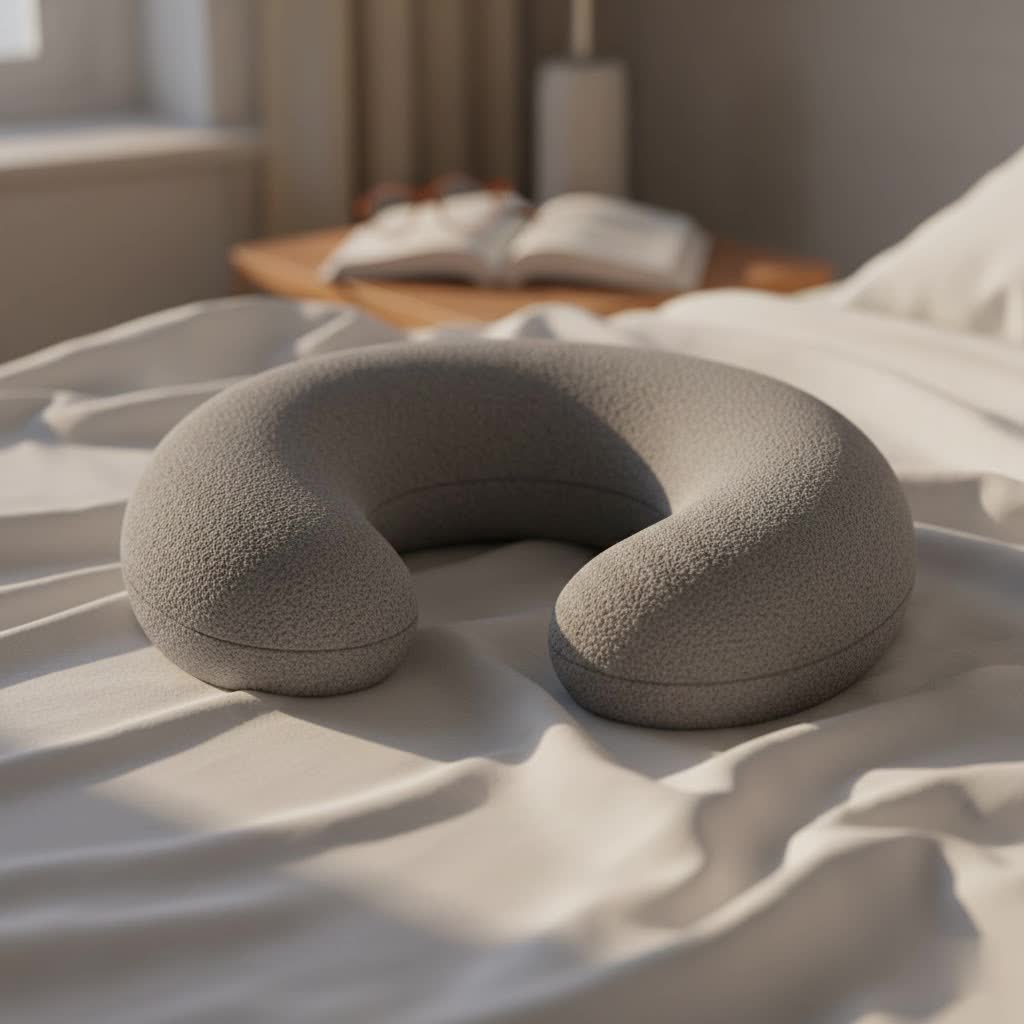
Waking up with a stiff, aching neck can turn the promise of a restful night into a daily struggle. For the millions of individuals who prefer sleeping on their side, this discomfort is often a direct result of improper head and neck support. Finding the perfect neck pillow is not merely a luxury; it’s an essential investment in your well-being, designed to align your spine, alleviate pressure, and transform your nightly rest. This comprehensive guide, crafted from years of specialized experience, will navigate you through the world of neck pillows, helping side sleepers find the ultimate solution for persistent neck pain.
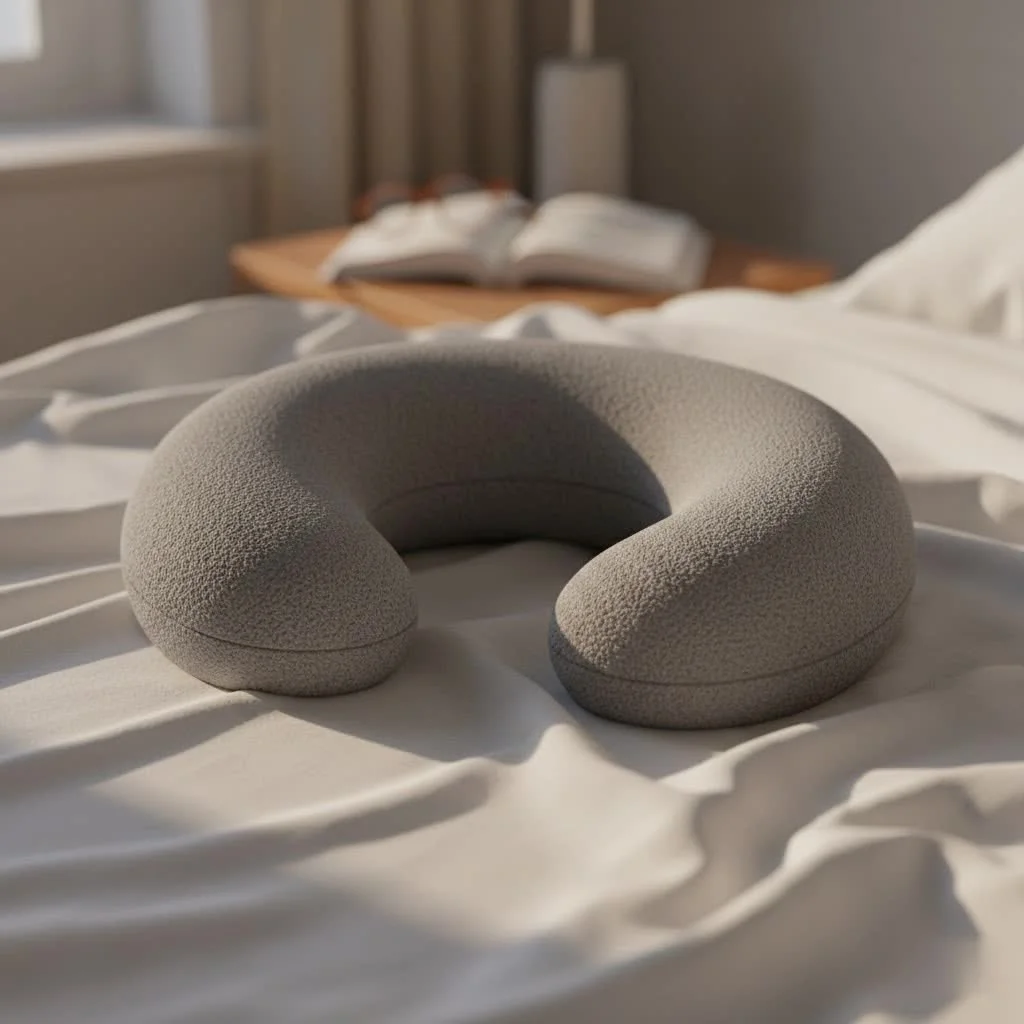
Understanding Neck Pillows: Your Ally Against Discomfort
A neck pillow, often referred to as a cervical or orthopedic pillow, is specifically engineered to support the natural curve of your cervical spine (neck) and maintain neutral alignment with the rest of your spine. Unlike traditional pillows that can flatten or clump, a well-designed neck pillow cradles your head and neck, preventing awkward angles that lead to strain and pain. For side sleepers, this support is paramount, as the gap between the head, neck, and shoulder requires a specific loft and contour to ensure the spine remains straight.
The market offers a diverse range of neck pillows, each with unique designs and materials aimed at addressing various sleep issues. However, for side sleepers battling neck pain, the focus narrows to pillows that can consistently maintain elevation and provide resilient support throughout the night.
Why a Specialized Neck Pillow is Crucial for Side Sleepers
Side sleeping is a popular position, but it inherently presents unique challenges for spinal alignment. When lying on your side, your shoulder creates a significant gap between your head and the mattress. If your pillow is too low, too soft, or lacks supportive structure, your head will tilt downwards, causing your neck to bend at an unnatural angle. This sustained misalignment can lead to:
- Chronic Neck and Shoulder Pain: Prolonged strain on muscles, ligaments, and discs.
- Stiffness and Reduced Mobility: Waking up feeling rigid and restricted.
- Headaches: Often tension-related, stemming from neck muscle tightness.
- Poor Sleep Quality: Frequent tossing and turning in search of comfort, disrupting restorative sleep cycles.
A specialized neck pillow for side sleepers is designed to fill this critical gap, ensuring your head and neck remain in a straight, horizontal line with your spine. This neutral posture reduces stress on the cervical vertebrae, promotes muscle relaxation, and allows for deeper, more therapeutic sleep. Individuals with pre-existing conditions like degenerative disc disease, arthritis, or those recovering from neck injuries will find a correctly chosen neck pillow indispensable for managing symptoms and preventing further aggravation.
Exploring Neck Pillow Types for Side Sleepers
While many types of pillows exist, some are far more effective for side sleepers experiencing neck pain. Here, we delve into the most suitable options:
Contoured Memory Foam Pillows
|
Our Picks for the Best Neck Pillow in 2026
As an Amazon Associate I earn from qualifying purchases.
|
||
| Num | Product | Action |
|---|---|---|
| 1 | SAIREIDER Travel Pillows for Sleeping Airplane 100% Pure Memory Foam Neck Pillow for Airplanes Washable Cover with Storage Bag (Grey) |

|
| 2 | Cervical Memory Foam Pillow – Ergonomic Neck Support for Side, Back & Stomach Sleepers - Odorless Beauty Sleep Pillow for Deep Rest (Light Grey, King Size 24.8" Lx16.9 Wx5.9 H) |
|
| 3 | Ultra Pain Relief Cooling Pillow for Neck Support, Adjustable Cervical Pillow Cozy Sleeping, Odorless Ergonomic Contour Memory Foam Pillows, Orthopedic Bed Pillow for Side Back Stomach Sleeper |
|
| 4 | SAIREIDER Travel Neck Pillow 100% Pure Memory Foam Airplane Pillow for Head Support,Soft Adjustable Pillow for Plane, Car & Home Recliner (Pink) |
|
| 5 | Ultra Pain Relief Cooling Pillow for Neck Support, Adjustable Cervical Pillow Cozy Sleeping, Odorless Ergonomic Contour Memory Foam Pillows, Orthopedic Bed Pillow for Side Back Stomach Sleeper |
|
| 6 | Ultra Pain Relief Cooling Pillow for Neck Support, Adjustable Cervical Pillow Cozy Sleeping, Odorless Ergonomic Contour Memory Foam Pillows, Orthopedic Bed Pillow for Side Back Stomach Sleeper |
|
| 7 | SAIREIDER Travel Pillows for Sleeping Airplane 100% Pure Memory Foam Neck Pillow for Airplanes Washable Cover(Grey) |
|
| 8 | SAIREIDER Travel Pillow 100% Pure Memory Foam Travel Neck Pillow with Storage Bag, Airplane Pillow for Traveling、Car、Home、Office,Washable Cover(Black) |
|
| 9 | SAIREIDER Neck Pillows for Travel-Head Neck Support Travel Pillow for Traveling, Car, Home, Office Adjustable(Navy Blue) |
|
| 10 | SAIREIDER Travel Pillow 100% Pure Memory Foam Travel Neck Pillow, Airplane Pillow for Traveling、Car、Home、Office,Washable Cover(Black) |
|
These pillows feature a distinct ergonomic shape, often with a higher ridge for neck support and a dip for the head. Made from viscoelastic foam, they conform to your unique shape under body heat and pressure, offering personalized support.
- Pros: Excellent contouring and pressure relief, consistent support that doesn’t flatten, promotes spinal alignment.
- Cons: Can retain heat, may have an initial off-gassing smell, less adjustable in loft unless specifically designed with layers.
- Best for: Side sleepers who need firm, consistent support and appreciate a cradling feel for precise cervical alignment.
Adjustable Shredded Pillows (Memory Foam or Latex Blend)
These pillows are filled with shredded pieces of memory foam, latex, or a combination, allowing you to add or remove fill to customize the loft and firmness. This adjustability is a game-changer for side sleepers who often struggle to find the “just right” height.
- Pros: Highly customizable loft and firmness, improved airflow compared to solid foam, versatile for different body types and preferences.
- Cons: Can be messy to adjust, shredded fill might clump over time if not fluffed regularly.
- Best for: Side sleepers who require precise control over their pillow’s height to match their shoulder width and prevent neck strain.
Specialized Side Sleeper Pillows (Cut-Out or Crescent Shaped)
Some innovative pillows feature specific cut-outs or crescent shapes designed to accommodate the shoulder, allowing it to tuck comfortably beneath the pillow while still supporting the head and neck.
- Pros: Specifically engineered for the side sleeping posture, reduces pressure on the shoulder, enhances spinal alignment by creating a dedicated space for the shoulder.
- Cons: Shape might feel unusual initially, less versatile for other sleeping positions.
- Best for: Dedicated side sleepers who find traditional pillows don’t adequately bridge the gap between their neck and mattress due to shoulder interference.
Latex Pillows
Available in solid core or shredded forms, latex pillows are made from natural or synthetic rubber. They offer a buoyant, responsive feel that’s different from memory foam, providing firm yet conforming support.
- Pros: Highly durable, naturally hypoallergenic and resistant to dust mites, excellent breathability (especially Talalay latex), consistent support without significant sinkage.
- Cons: Can be heavier than other pillows, typically more expensive, may have a distinct rubbery smell initially.
- Best for: Side sleepers seeking a springier, more breathable alternative to memory foam that still provides robust neck support.
Pillow Comparison for Side Sleepers with Neck Pain
| Feature | Contoured Memory Foam Pillow | Adjustable Shredded Pillow (Memory Foam/Latex) | Specialized Side Sleeper Pillow (Cut-Out) | Latex Pillow |
|---|---|---|---|---|
| Material | Viscoelastic Polyurethane Foam | Shredded Memory Foam, Latex, or Hybrid | Memory Foam, Shredded Foam, or Hybrid | Natural or Synthetic Latex (Solid or Shredded) |
| Loft | Fixed, but designed for specific contours | Highly adjustable by adding/removing fill | Fixed, but shaped to accommodate shoulder and neck | Fixed (solid core) or adjustable (shredded) |
| Firmness | Medium to Firm (depending on density) | Adjustable (from soft to firm based on fill amount) | Medium to Firm (engineered for support) | Medium-Firm, buoyant, responsive |
| Support | Excellent cervical curve support, cradling | Excellent customizable support, adapts to body | Optimal shoulder integration, precise neck alignment | Consistent, buoyant support, good pressure relief |
| Breathability | Can retain heat (gel-infused options improve this) | Better airflow due to shredded nature | Varies by material, often includes cooling features | Naturally breathable, especially Talalay |
| Customization | Low (unless layered or with removable sections) | High (primary selling point) | Low (shape is fixed) | Low (solid core) to High (shredded) |
| Ideal For | Side sleepers needing stable, ergonomic alignment | Side sleepers needing personalized height and firmness | Dedicated side sleepers with shoulder discomfort | Side sleepers wanting durable, responsive, hypoallergenic support |
How to Choose the Right Neck Pillow for Side Sleepers
Selecting the perfect pillow is a personal journey, especially when addressing neck pain as a side sleeper. Consider these crucial factors:
1. Determine Your Usage Needs
- Daily Sleep: If you need a pillow for nightly rest, prioritize durability, long-term support, and materials that maintain their shape.
- Travel: While specific travel neck pillows exist (often U-shaped or inflatable), a good quality, compact orthopedic pillow can serve dual purposes.
2. Choose the Right Material
For side sleepers with neck pain, memory foam and latex are generally superior to traditional down or synthetic fills.
- Memory Foam: Offers excellent contouring, adapting to your head and neck shape to fill gaps and relieve pressure. Look for gel-infused options for better cooling.
- Latex: Provides a more responsive, springy feel than memory foam, with good support and natural breathability.
- Adjustable Shredded Fills: Offers the best of both worlds by combining the support of foam/latex with customizable loft.
3. Select the Appropriate Loft (Height) and Firmness
This is perhaps the most critical factor for side sleepers.
- Loft: Your pillow needs to be high enough to fill the space between your ear and shoulder, keeping your head in line with your spine. A simple test: when lying on your side, your nose should be aligned with the center of your chest. If your head tilts up or down, the loft is incorrect.
- Firmness: Aim for medium to medium-firm. Too soft, and your head will sink, losing support. Too firm, and it can create pressure points and push your head out of alignment. The pillow should cradle, not prop up rigidly.
4. Consider Pillow Shape
- Contoured/Cervical: These ergonomic designs often have a raised edge for neck support and a lower center for the head, promoting the natural curve of the cervical spine.
- Crescent/Cut-Out: Designed to accommodate the shoulder, reducing pressure and ensuring a seamless fit for side sleepers.
5. Evaluate Support and Durability
A good pillow should maintain its shape and support throughout the night and over its lifespan. Memory foam and latex are known for their durability and ability to retain support. Look for pillows with a good warranty and positive long-term user reviews.
6. Don’t Forget Breathability and Cooling
Some supportive materials, like dense memory foam, can trap heat. If you tend to sleep hot, look for pillows with:
- Gel-infused memory foam.
- Shredded fills (which allow for more airflow).
- Latex (naturally more breathable).
- Cooling covers (bamboo, Tencel, or phase-change materials).
7. The Role of Your Mattress
Your mattress firmness also impacts pillow choice. A very firm mattress provides less give for your shoulder, potentially increasing the gap your pillow needs to fill. Conversely, a softer mattress allows your shoulder to sink more, reducing the necessary pillow loft. Ideally, your mattress should allow your shoulder to sink slightly, with your pillow filling the remaining space to support your head and neck.
Top 5 Neck Pillows for Side Sleepers with Neck Pain
Based on extensive research and expert recommendations, here are five highly-rated neck pillows specifically beneficial for side sleepers struggling with neck pain:
1. Eli & Elm Side Sleeper Pillow
This pillow is uniquely designed with a crescent shape that cradles the head and neck while providing a cutout for the shoulder. Its adjustable latex and polyester fill allows for customized loft and firmness. The shape promotes spinal alignment by preventing your shoulder from pushing your head out of position.
2. Coop Sleep Goods Original Adjustable Pillow (or Cut-Out Version)
Known for its customizable shredded memory foam and microfiber fill, the Coop pillow allows you to add or remove filling to achieve your ideal loft and firmness. The original is versatile, while the cut-out version offers specific shoulder relief for side sleepers. It’s often praised for its support and adjustability.
3. Purple Harmony Pillow
Featuring a unique Purple Grid Hex layer over a latex core, this pillow offers responsive support and excellent airflow. Its grid system adapts to your head and neck, providing pressure relief without sacrificing support. It comes in different lofts, making it easier for side sleepers to find the right height.
4. Osteo Cervical Pillow
This contoured memory foam pillow often features a butterfly or ergonomic shape designed to support the cervical spine. It’s suitable for side sleepers due to its firm yet conforming nature, aiming to keep the neck in a neutral position. Some versions are adjustable with removable inserts to fine-tune the height.
5. Saatva Latex Pillow
Combining a shredded Talalay latex core with a micro-denier fiber outer pillow, the Saatva Latex Pillow offers a blend of responsive support and plush comfort. Talalay latex is known for its durability, breathability, and consistent support, making it an excellent choice for side sleepers who need firm yet gentle cradling to maintain alignment.
Where to Purchase Your Ideal Neck Pillow
Finding the right neck pillow is a crucial step toward alleviating neck pain. You can explore several reliable avenues for purchase:
- Online Retailers: Websites like Amazon, Wayfair, and the official brand websites (e.g., Eli & Elm, Coop Sleep Goods, Purple) offer a vast selection, often with detailed descriptions, customer reviews, and generous trial periods. This allows for convenience and comparison.
- Specialty Sleep Stores: Visiting a mattress or sleep specialty store allows you to physically try out different pillows. Knowledgeable staff can also provide guidance tailored to your sleep habits.
- Department Stores: Larger department stores often carry a selection of reputable pillow brands, giving you the opportunity to feel the materials and support levels firsthand.
When buying online, always check the return policy and trial period. Many companies offer a risk-free trial, which is invaluable for ensuring the pillow truly meets your needs.
Maintaining and Cleaning Your Neck Pillow
Proper care extends the life and effectiveness of your neck pillow. Always refer to the manufacturer’s specific cleaning instructions, as materials vary widely.
- Removable Covers: Most quality neck pillows come with removable, machine-washable covers. Wash these regularly (weekly or bi-weekly) on a gentle cycle with cold water and mild detergent.
- Memory Foam/Latex Cores: Solid memory foam or latex cores are typically not machine washable. Spot clean any stains with a mild soap and water solution, then air dry completely away from direct sunlight.
- Shredded Fill Pillows: Some shredded fill pillows allow you to wash the entire pillow, but often it’s just the outer cover. If the inner fill can be washed, ensure it’s thoroughly dried to prevent mildew. Some may require professional cleaning.
- Fluffing: Regularly fluff adjustable shredded pillows to redistribute the fill and maintain loft.
- Protective Cases: Using a pillow protector beneath your pillowcase can add an extra layer of defense against dust mites, allergens, and spills, extending the pillow’s hygiene and lifespan.
Conclusion
Finding the right neck pillow is a transformative experience for side sleepers suffering from neck pain. It’s about more than just comfort; it’s about restoring proper spinal alignment, reducing strain, and reclaiming the deep, restorative sleep you deserve. By understanding the unique needs of side sleepers—particularly the demand for adequate loft, firm yet conforming support, and materials that maintain their integrity—you can make an informed choice. Whether you opt for a contoured memory foam, a customizable shredded fill, or a specialized side sleeper design, prioritizing spinal alignment is key. Don’t let another night of discomfort rob you of your rest. Invest in a neck pillow designed for your sleep position and experience the profound difference it can make in your sleep quality and overall well-being.
What aspect of your sleep has been most impacted by neck pain, and what changes are you hoping to see with a new pillow?
Frequently Asked Questions
What causes neck pain for side sleepers?
Neck pain in side sleepers typically arises when the pillow is too low or too soft, causing the head to tilt downwards and creating an unnatural angle in the cervical spine. This misalignment places stress on the neck muscles and vertebrae, leading to pain and stiffness.
How high should a pillow be for a side sleeper with neck pain?
A pillow for a side sleeper with neck pain should be high enough to fill the gap between the shoulder and the ear, keeping the head level and aligned with the spine. The ideal loft often depends on an individual’s shoulder width and mattress firmness, often requiring a medium to high loft.
Can an adjustable pillow help with side sleeper neck pain?
Yes, adjustable pillows are highly recommended for side sleepers with neck pain because they allow you to customize the amount of fill. This enables precise control over the pillow’s loft and firmness, ensuring optimal spinal alignment tailored to your unique body shape and sleep preferences.
What materials are best for neck pillows for side sleepers with neck pain?
Memory foam and latex are generally considered the best materials for side sleepers with neck pain. Memory foam offers contouring support, while latex provides responsive, buoyant support. Both materials are dense enough to maintain loft and keep the neck aligned throughout the night.
How often should I replace my neck pillow?
Most neck pillows should be replaced every 1 to 2 years, especially if you experience neck pain. Over time, pillows lose their support, accumulate allergens, and can no longer provide the necessary alignment. If your pillow feels lumpy, flat, or causes discomfort, it’s time for a new one.
Is a firm or soft pillow better for side sleepers with neck pain?
For side sleepers with neck pain, a pillow with medium to medium-firm support is generally best. A pillow that is too soft will allow your head to sink too much, while one that is too firm can create pressure points. The goal is a balance that maintains spinal alignment without discomfort.
Should my shoulder be on the pillow when I sleep on my side?
No, when sleeping on your side, your shoulder should ideally rest on the mattress, not the pillow. The pillow’s function is to fill the space between your head and the mattress, supporting your neck and head to keep them aligned with your spine, preventing your shoulder from being awkwardly propped up.
Get our weekly buyer guide
Practical specs, not advice. Unsubscribe anytime.
