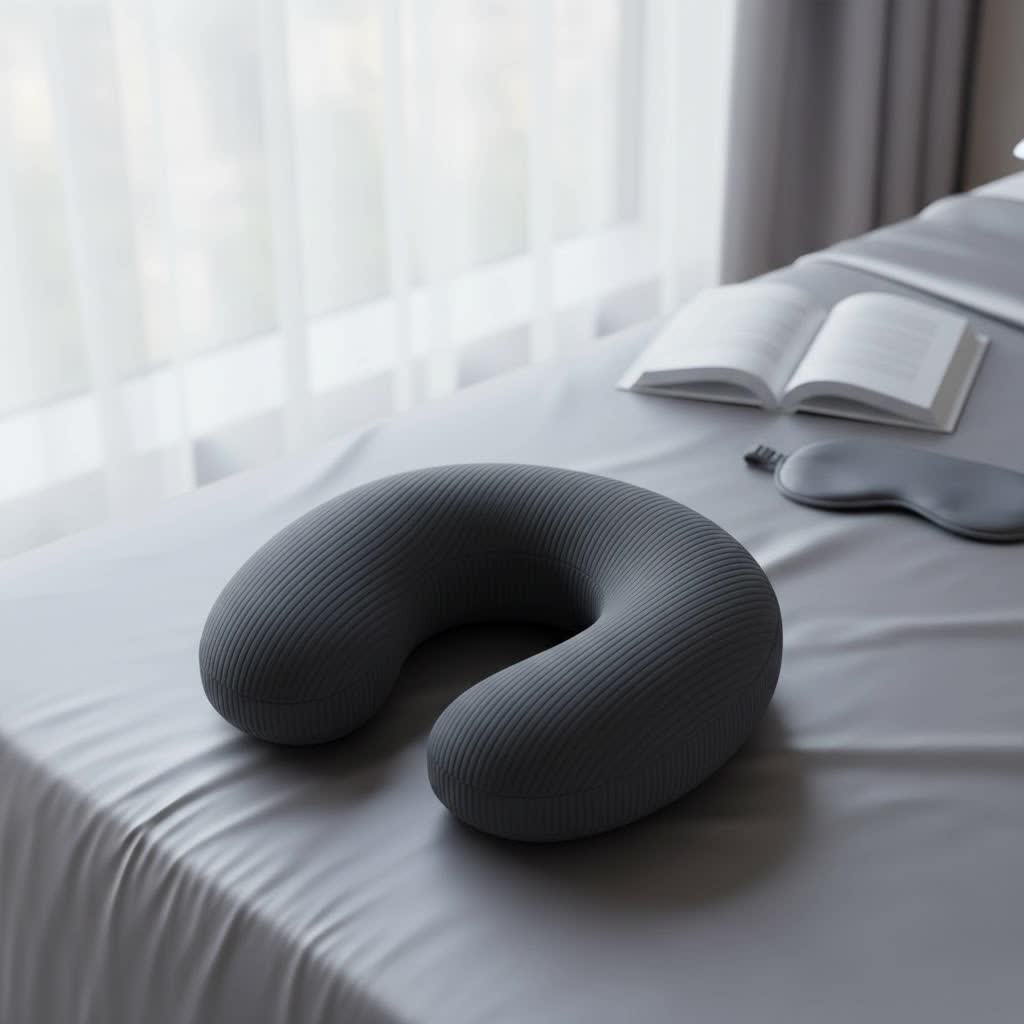
Waking up with a stiff neck or persistent aches can transform the promise of a refreshing night’s sleep into a daily struggle. For countless individuals, the culprit isn’t just a restless night but an unsupportive pillow working against their body’s natural alignment. Finding a pillow good for your neck is more than a luxury; it’s a fundamental step towards alleviating discomfort, improving sleep quality, and safeguarding your long-term spinal health. This comprehensive guide, informed by years of specialized experience in sleep solutions, will help you navigate the vast world of neck pillows to discover the one that perfectly cradles your cervical spine and ushers in an era of truly restorative sleep.
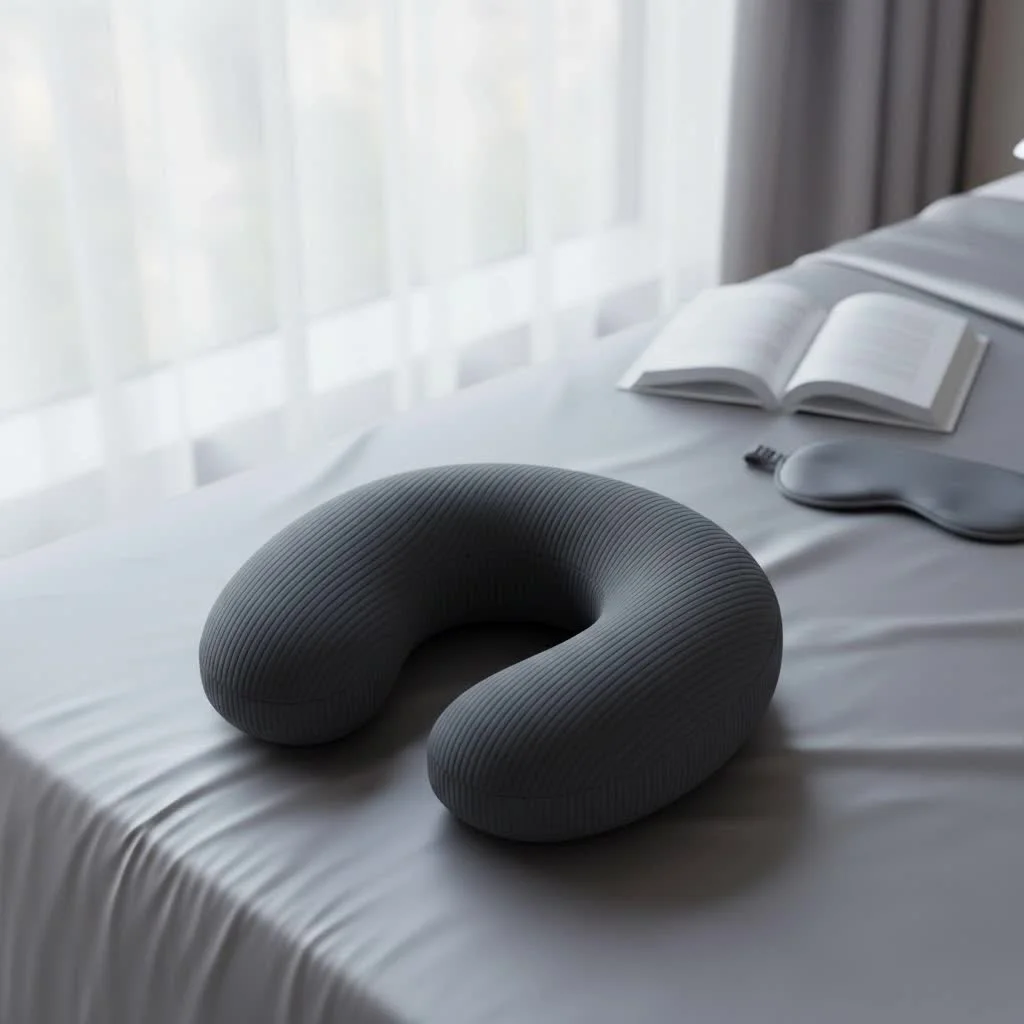
What is a Neck Pillow?
A neck pillow, often referred to as a cervical or orthopedic pillow, is specifically engineered to provide targeted support to the natural curve of your neck (the cervical spine) while you sleep. Unlike traditional pillows that may flatten or allow your head to be propped at an unnatural angle, a good neck pillow works to maintain neutral spinal alignment from your head down to your shoulders. Its primary function is to fill the gap between your head and shoulders, ensuring your neck muscles can relax and recover, rather than remaining strained throughout the night. These specialized pillows come in various shapes and materials, each designed to address specific needs and sleeping preferences. For shop curated neck pillows on this site.
Why You Need a Good Neck Pillow
The benefits of upgrading to a neck pillow that properly supports your cervical spine extend far beyond simple comfort. For many, a well-chosen neck pillow is a game-changer for overall health and well-being.
First and foremost, a supportive neck pillow can significantly reduce and prevent neck pain and stiffness. By keeping your spine in a neutral position, it alleviates pressure on sensitive areas, allowing muscles to relax and recover. This proper alignment is crucial in preventing common morning aches and can even help manage discomfort associated with conditions like cervical spondylosis or herniated discs.
Beyond pain relief, optimal neck support translates directly into improved sleep quality. When your neck and head are comfortably aligned, you’re less likely to toss and turn, leading to deeper, more uninterrupted sleep cycles. This enhanced rest not only boosts physical recovery but also contributes to better mental clarity and mood during the day. Furthermore, proper spinal alignment can promote better breathing by keeping airways unobstructed, which can be beneficial for those who snore or experience mild sleep apnea. Ultimately, a good neck pillow isn’t just about cushioning your head; it’s about investing in a foundation for healthier sleep and a more comfortable, pain-free life.
Popular Neck Pillow Designs and Materials
The market offers a diverse array of neck pillows, each distinguished by its unique design and choice of materials. Understanding these differences is key to identifying which type will best suit your individual needs for support and comfort.
Memory Foam Pillows
|
Our Picks for the Best Neck Pillow in 2026
As an Amazon Associate I earn from qualifying purchases.
|
||
| Num | Product | Action |
|---|---|---|
| 1 | SAIREIDER Travel Pillows for Sleeping Airplane 100% Pure Memory Foam Neck Pillow for Airplanes Washable Cover(Grey) |

|
| 2 | SAIREIDER Travel Pillow 100% Pure Memory Foam Travel Neck Pillow, Airplane Pillow for Traveling、Car、Home、Office,Washable Cover(Black) |
|
| 3 | Ultra Pain Relief Cooling Pillow for Neck Support, Adjustable Cervical Pillow Cozy Sleeping, Odorless Ergonomic Contour Memory Foam Pillows, Orthopedic Bed Pillow for Side Back Stomach Sleeper |
|
| 4 | SAIREIDER Travel Pillows for Sleeping Airplane 100% Pure Memory Foam Neck Pillow for Airplanes Washable Cover with Storage Bag (Grey) |
|
| 5 | Ultra Pain Relief Cooling Pillow for Neck Support, Adjustable Cervical Pillow Cozy Sleeping, Odorless Ergonomic Contour Memory Foam Pillows, Orthopedic Bed Pillow for Side Back Stomach Sleeper |
|
| 6 | SAIREIDER Travel Neck Pillow 100% Pure Memory Foam Airplane Pillow for Head Support,Soft Adjustable Pillow for Plane, Car & Home Recliner (Pink) |
|
| 7 | SAIREIDER Travel Pillow 100% Pure Memory Foam Travel Neck Pillow with Storage Bag, Airplane Pillow for Traveling、Car、Home、Office,Washable Cover(Black) |
|
| 8 | Ultra Pain Relief Cooling Pillow for Neck Support, Adjustable Cervical Pillow Cozy Sleeping, Odorless Ergonomic Contour Memory Foam Pillows, Orthopedic Bed Pillow for Side Back Stomach Sleeper |
|
| 9 | Cervical Memory Foam Pillow – Ergonomic Neck Support for Side, Back & Stomach Sleepers - Odorless Beauty Sleep Pillow for Deep Rest (Light Grey, King Size 24.8" Lx16.9 Wx5.9 H) |
|
| 10 | SAIREIDER Neck Pillows for Travel-Head Neck Support Travel Pillow for Traveling, Car, Home, Office Adjustable(Navy Blue) |
|
Memory foam is perhaps the most popular material for neck pillows due to its remarkable ability to contour precisely to the shape of your head and neck. This personalized cradling provides exceptional support and pressure relief, distributing weight evenly and reducing tension points. Memory foam pillows are known for maintaining their shape throughout the night, offering consistent support.
- Pros: Excellent contouring and pressure relief, superior support, durable.
- Cons: Can retain heat (though cooling gel-infused options exist), may have an initial off-gassing smell, can feel dense.
- Best for: Individuals seeking firm, adaptive support for significant neck pain relief; side and back sleepers.
Latex Pillows
Latex pillows are celebrated for their responsive, springy feel and natural breathability. Made from rubber tree sap, natural latex is inherently hypoallergenic and resistant to dust mites. It offers robust support while still being comfortable, providing a gentle bounce that keeps your head and neck aligned without sinking too deeply.
- Pros: Highly supportive, responsive bounce, naturally breathable and cooling, durable, hypoallergenic.
- Cons: Can be more expensive, some may find the bouncy feel takes getting used to.
- Best for: Those who prefer a firmer, more responsive pillow; hot sleepers; individuals with allergies; side and back sleepers.
Contoured/Cervical Pillows
These pillows are specifically designed with an ergonomic shape, often featuring a raised edge or “cervical roll” to support the natural curve of the neck and a lower central area for the head. They are typically made from memory foam or latex, leveraging these materials’ supportive properties within a targeted design. The contour helps maintain neutral spinal alignment, making them highly effective for therapeutic use.
- Pros: Directly addresses spinal alignment, excellent for neck pain relief, promotes proper posture.
- Cons: May not suit all sleeping positions, specific shape might feel restrictive to some.
- Best for: Individuals with chronic neck pain, whiplash, or those needing strict cervical support; back and some side sleepers.
Adjustable Pillows
Adjustable pillows offer customizable loft and firmness, typically by allowing you to add or remove fill material, such as shredded memory foam, kapok, or buckwheat hulls. This versatility makes them adaptable to various sleeping positions and personal preferences, allowing you to fine-tune the pillow to your exact needs.
- Pros: Highly customizable support and firmness, versatile for all sleeping positions, can evolve with changing needs.
- Cons: Requires some experimentation to find the perfect fill level, shredded fills can be messy to adjust.
- Best for: Combination sleepers, those unsure of their ideal pillow loft/firmness, individuals with evolving neck support requirements.
Down and Down Alternative Pillows
Traditional down and down alternative pillows are known for their plush softness and moldability. While incredibly comfortable for some, they often lack the structured support necessary to maintain proper cervical alignment, especially for those prone to neck pain. They tend to compress significantly, allowing the head to sink too far, which can exacerbate neck issues.
- Pros: Soft, luxurious feel, lightweight, easy to shape.
- Cons: Often lack sufficient support for neck alignment, compress easily, can worsen neck pain.
- Best for: Individuals without neck pain who prioritize extreme softness; stomach sleepers (if very thin and malleable). Generally not recommended for dedicated neck support.
Comparison Table of Neck Pillow Types
Choosing the right neck pillow involves weighing various factors. This table provides a quick comparison to help you understand the core differences between popular types:
| Feature | Memory Foam Pillow | Latex Pillow | Contoured/Cervical Pillow | Adjustable Pillow | Down/Down Alternative Pillow |
|---|---|---|---|---|---|
| Material | Polyurethane foam | Natural or synthetic rubber | Memory foam, latex | Shredded foam, latex, kapok, wool | Feathers, synthetic fibers |
| Comfort | Adapts to shape, pressure relief | Responsive, springy | Ergonomic, targeted support | Customizable, personalized feel | Plush, soft, malleable |
| Support | High, conforming | High, responsive | Very High, anatomical | High, tailored to individual needs | Low, compresses easily |
| Durability | High | Very High | High | High (depends on fill) | Moderate (can clump) |
| Price Range | Mid to High | Mid to High | Mid to High | Mid to High | Low to Mid |
| Key Features | Viscoelastic, cradling | Hypoallergenic, breathable | Spine alignment, therapeutic | Variable loft/firmness | Lightweight, easily shaped |
| Best For | Neck pain, side/back sleepers | Hot sleepers, allergy sufferers | Chronic pain, specific alignment | All sleepers, customization needs | Stomach sleepers (thin), soft preference |
How to Choose the Right Neck Pillow
Selecting the perfect neck pillow is a personalized journey, deeply influenced by your unique physiology and sleep habits. Focusing on a few key factors can significantly narrow down your choices and lead you to the ideal sleep companion.
Assess Your Sleeping Position
Your primary sleeping position is the single most critical factor in determining the right pillow.
- Back Sleepers: You need a pillow that supports the natural curve of your neck without pushing your head too far forward. A medium-loft pillow, often with a slight contour or a cervical roll, is ideal to maintain a neutral spine. The pillow should cradle your neck and allow your head to rest comfortably, keeping it in line with your spine.
- Side Sleepers: To maintain proper alignment, a side sleeper requires a thicker, firmer pillow that fills the gap between your ear and outer shoulder. This keeps your head from tilting downwards or upwards, aligning it perfectly with your spine. Look for higher-loft pillows, crescent shapes, or those designed specifically for side sleepers.
- Stomach Sleepers: Generally, sleeping on your stomach is not recommended as it forces your neck into an unnatural twisted position, which can lead to significant strain. If you must sleep on your stomach, opt for a very thin, low-loft pillow, or even no pillow at all, to minimize neck extension. Many experts suggest trying to transition to side or back sleeping for better spinal health.
Consider Pillow Loft and Firmness
Loft, or the height of the pillow, is crucial for maintaining spinal alignment. Too high, and your neck can be craned; too low, and it can sag. The ideal loft depends on your sleeping position and body size. Firmness refers to how much resistance the pillow provides. A pillow that is too soft will not offer adequate support, allowing your head and neck to sink into an unhealthy position. Conversely, one that is too firm can cause pressure points and discomfort. The goal is a pillow that feels supportive yet comfortable, gently cradling your neck without being rigid. Adjustable pillows are excellent for fine-tuning both loft and firmness.
Material Matters
The material of your neck pillow directly impacts its support, comfort, and other properties like temperature regulation and hygiene.
- Memory foam provides exceptional contouring and pressure relief, ideal for those needing deep support, though some varieties can retain heat.
- Latex offers a more responsive, bouncy feel with excellent support and is generally more breathable and hypoallergenic.
- Shredded fills (memory foam, kapok, wool) found in adjustable pillows allow for personalized loft and firmness.
- Consider materials that offer good airflow if you tend to sleep hot. Also, check for materials that are easy to clean or come with washable covers to maintain hygiene.
Evaluate Shape and Design
Beyond material, the shape of the pillow plays a significant role in targeted support.
- Contoured/Cervical pillows are ergonomically shaped to follow the natural curve of your neck, often featuring a raised edge.
- Traditional rectangular pillows can be supportive if they have the right loft and fill for your sleeping position.
- Specialized shapes like crescent or butterfly designs cater to specific body types or sleeping styles. For travel, horseshoe-shaped pillows provide upright support.
Read Reviews and Check Brand Reputation
Before making a final decision, take the time to research brands and read user reviews. Look for feedback from individuals with similar sleep patterns or neck concerns. A reputable brand often provides transparent information about materials, certifications (e.g., CertiPUR-US for memory foam), and offers trial periods or generous return policies. This allows you to test the pillow in your own sleep environment without risk. Remember, comfort is subjective, and what works wonders for one person might not be perfect for another.
Top 5 Neck Pillow Types for Optimal Sleep
While specific brand recommendations can vary, certain types of neck pillows consistently receive high praise for their ability to deliver optimal support and comfort. These categories represent the pinnacle of effective neck pain relief and improved sleep.
- Ergonomic Contoured Memory Foam Pillow: These pillows feature a sculpted design with a higher lobe to support the neck’s curve and a central dip for the head. Made from dense memory foam, they offer superior pressure relief and maintain neutral spinal alignment for back and side sleepers. Their adaptive nature cradles the unique contours of your neck and head.
- Adjustable Shredded Memory Foam Pillow: Offering unparalleled customization, these pillows allow you to add or remove fill (typically shredded memory foam mixed with other fibers) to achieve your precise desired loft and firmness. This versatility makes them an excellent choice for combination sleepers or those whose needs might change, ensuring perfect alignment regardless of position.
- Supportive Talalay Latex Pillow: Known for its responsive bounce and consistent support, a Talalay latex pillow provides a firm yet cushioned feel. It lifts and supports the head and neck without sinking, making it ideal for those who prefer a more resilient pillow. Natural latex is also breathable and hypoallergenic, adding to its appeal for a healthy sleep environment.
- Crescent-Shaped Side Sleeper Pillow: Specifically designed for side sleepers, these pillows often have a cutout or crescent shape that allows the shoulder to fit snugly, filling the space between the neck and the mattress. This specialized design ensures the head and neck remain perfectly aligned with the spine, preventing discomfort often experienced by side sleepers using standard pillows.
- Cooling Gel-Infused Memory Foam Pillow: Addressing the common concern of memory foam retaining heat, these pillows incorporate gel particles or layers to dissipate warmth. They combine the superior contouring support of memory foam with enhanced breathability, offering a cool and comfortable sleep surface while effectively alleviating neck pain.
Where to Buy Quality Neck Pillows
Investing in a quality neck pillow is an investment in your sleep and overall health. Fortunately, several reputable channels make it easy to find the right one.
Specialized Sleep Stores: These stores often have a knowledgeable staff who can guide you through various options and allow you to try out pillows in-store. They typically carry a wide range of ergonomic and cervical pillows from top brands.
Department Stores: Many larger department stores feature home goods sections with a selection of pillows. While the expertise might be less specialized, you can often find popular brands and occasionally benefit from seasonal sales.
Online Retailers: E-commerce platforms offer the widest selection of neck pillows, often at competitive prices. Websites like Amazon, as well as direct-to-consumer brand sites (e.g., Tempur-Pedic, Saatva, Coop Home Goods), provide detailed product descriptions, customer reviews, and comparative shopping tools. Many online brands offer generous trial periods, allowing you to test the pillow at home and return it if it’s not the right fit.
When buying online, be sure to:
- Read reviews: Pay attention to comments regarding support, firmness, and suitability for different sleep positions.
- Check return policies: Ensure there’s a clear and reasonable return window or trial period.
- Verify certifications: Look for certifications like CertiPUR-US for foam products to ensure they meet health and environmental standards.
- Compare prices: While quality is paramount, compare prices across different retailers.
Caring for Your Neck Pillow
Proper care and maintenance can significantly extend the life and effectiveness of your neck pillow, ensuring it continues to provide optimal support for years to come.
Cleaning Instructions by Material:
- Memory Foam: Most memory foam pillows cannot be machine washed or submerged in water, as this can damage the foam structure. Instead, spot clean any stains with a mild detergent and water, then air dry thoroughly. Many memory foam pillows come with removable, washable covers that can be machine washed according to the label’s instructions.
- Latex: Similar to memory foam, solid latex pillows should not be machine washed. Spot clean with a damp cloth and mild soap, then air dry away from direct sunlight, which can degrade latex. Shredded latex fills in adjustable pillows may sometimes be washable if specified by the manufacturer, but always check the care tag.
- Down and Down Alternative: These are often machine washable on a gentle cycle with a mild detergent. Tumble dry on low heat, ideally with dryer balls, to fluff the filling and prevent clumping. Ensure the pillow is completely dry to prevent mold or mildew.
- Adjustable Fill Pillows: The outer cover is usually machine washable. For the internal fill, follow the specific care instructions for that material (e.g., shredded memory foam, kapok). Some natural fills like buckwheat hulls are not washable and should only be aired out.
Maintenance Tips for Longevity:
- Use a Pillow Protector: A good quality pillow protector acts as an extra barrier against dust mites, allergens, and spills, keeping your pillow cleaner for longer.
- Wash Pillowcases Regularly: Change and wash your pillowcase at least once a week to remove oils, sweat, and dead skin cells.
- Fluff Daily (if applicable): For pillows with loose fills (down, down alternative, shredded foam), fluffing them daily helps redistribute the filling and maintain their shape and loft.
- Air Out Periodically: Allow your pillow to air out in a well-ventilated area, away from direct sunlight, every few weeks. This helps to remove moisture and keep it fresh.
- Know When to Replace: Even the best pillows have a lifespan. Generally, replace your neck pillow every 18-36 months, or sooner if it starts to sag, lose its shape, or no longer provides adequate support. If you notice increased neck pain or stiffness, it might be a sign it’s time for a new one.
“The right pillow is an investment in your spinal health, not just your sleep. It’s about proactive care for your most vital support structure.” – Dr. Elena Petrova, Chiropractor and Sleep Specialist
Conclusion
Finding a pillow good for your neck is a transformative step towards achieving consistent, restful sleep and alleviating the pervasive discomfort of neck pain. By understanding the critical role a supportive neck pillow plays in maintaining neutral spinal alignment, and by carefully considering factors like your sleeping position, desired firmness, and material preferences, you can make an informed choice that truly benefits your health. Whether you opt for the adaptive embrace of memory foam, the responsive support of latex, or the customizable comfort of an adjustable fill, the goal remains the same: to provide your neck with the precise care it needs to relax and rejuvenate throughout the night. Don’t underestimate the profound impact a well-chosen neck pillow can have on your daily comfort and overall quality of life. What small change will you make tonight to support your neck better?
Frequently Asked Questions
What kind of pillow is best for neck and shoulder pain?
For neck and shoulder pain, a contoured cervical pillow made of memory foam or latex is often highly recommended. These pillows are designed to support the natural curve of your neck and keep your spine in neutral alignment, which helps alleviate pressure and allows the muscles to relax.
How do I know if my pillow is causing neck pain?
If you frequently wake up with a stiff neck, persistent aches in your neck or shoulders, or headaches, your pillow might be the culprit. A pillow that is too old, too soft, too firm, or doesn’t match your sleeping position can lead to improper spinal alignment and strain your neck muscles.
Is a soft or firm pillow better for neck pain?
Generally, a medium-firm to firm pillow is better for neck pain, as it provides adequate support to maintain spinal alignment. A pillow that is too soft allows your head to sink too much, while one that is excessively firm can create pressure points. The ideal is a balance of support and comfort.
Can neck pillows help with headaches?
Yes, certain types of headaches, particularly tension headaches that stem from neck stiffness or poor posture, can be alleviated by using a proper neck pillow. By supporting the cervical spine and allowing neck muscles to relax, a good pillow can reduce the underlying tension contributing to these headaches.
How often should I replace my neck pillow?
Most neck pillows should be replaced every 18 to 36 months. However, if your pillow shows signs of sagging, clumping, or no longer provides adequate support, or if your neck pain returns or worsens, it’s time to consider a replacement regardless of age.
Get our weekly buyer guide
Practical specs, not advice. Unsubscribe anytime.
