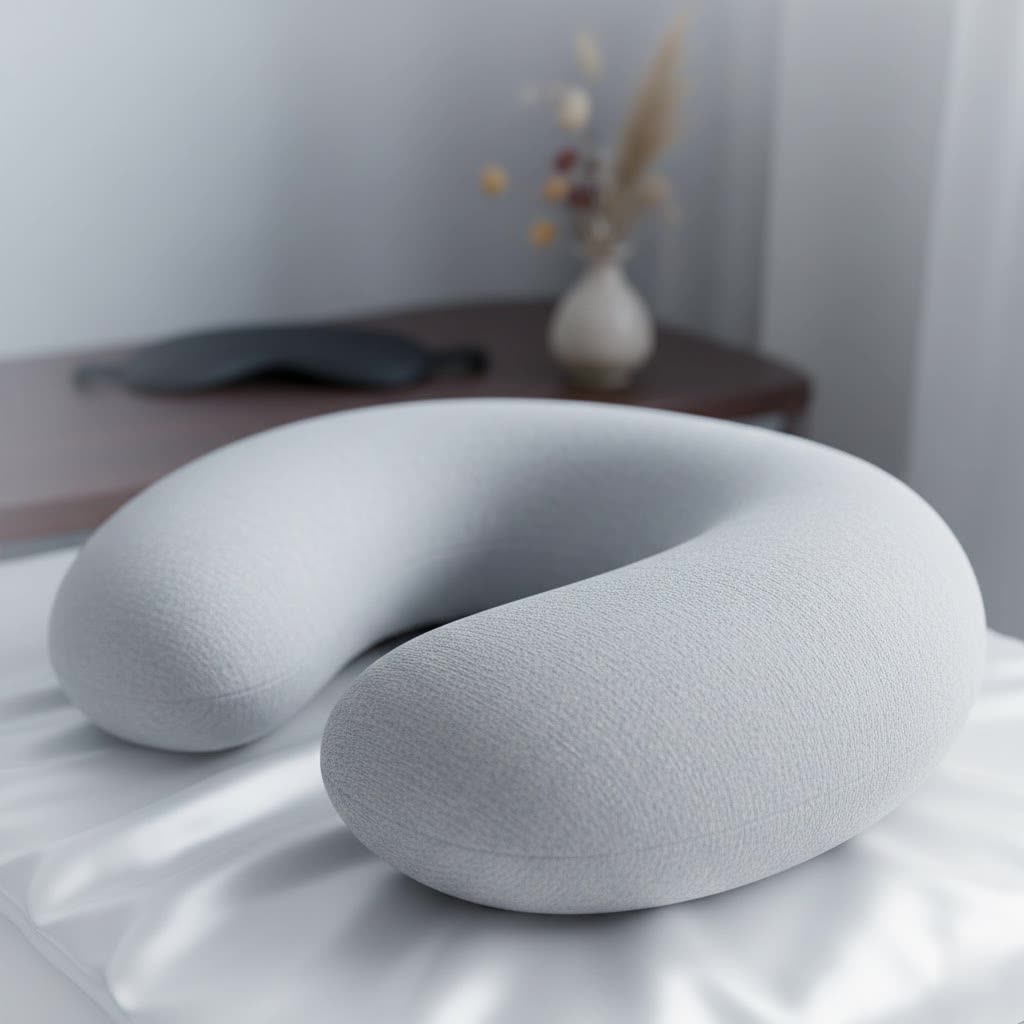
Waking up with a stiff, aching neck can turn the promise of a new day into a struggle, affecting your mood, productivity, and overall well-being. For many, chronic neck pain isn’t just a minor annoyance; it’s a persistent disruption to quality sleep and daily life. The culprit is often closer than you think: your pillow. Traditional pillows frequently fail to provide the necessary support, leading to spinal misalignment and increased strain on delicate cervical structures night after night. However, a specialized solution exists that can transform your sleep and alleviate discomfort: the orthopaedic pillow.
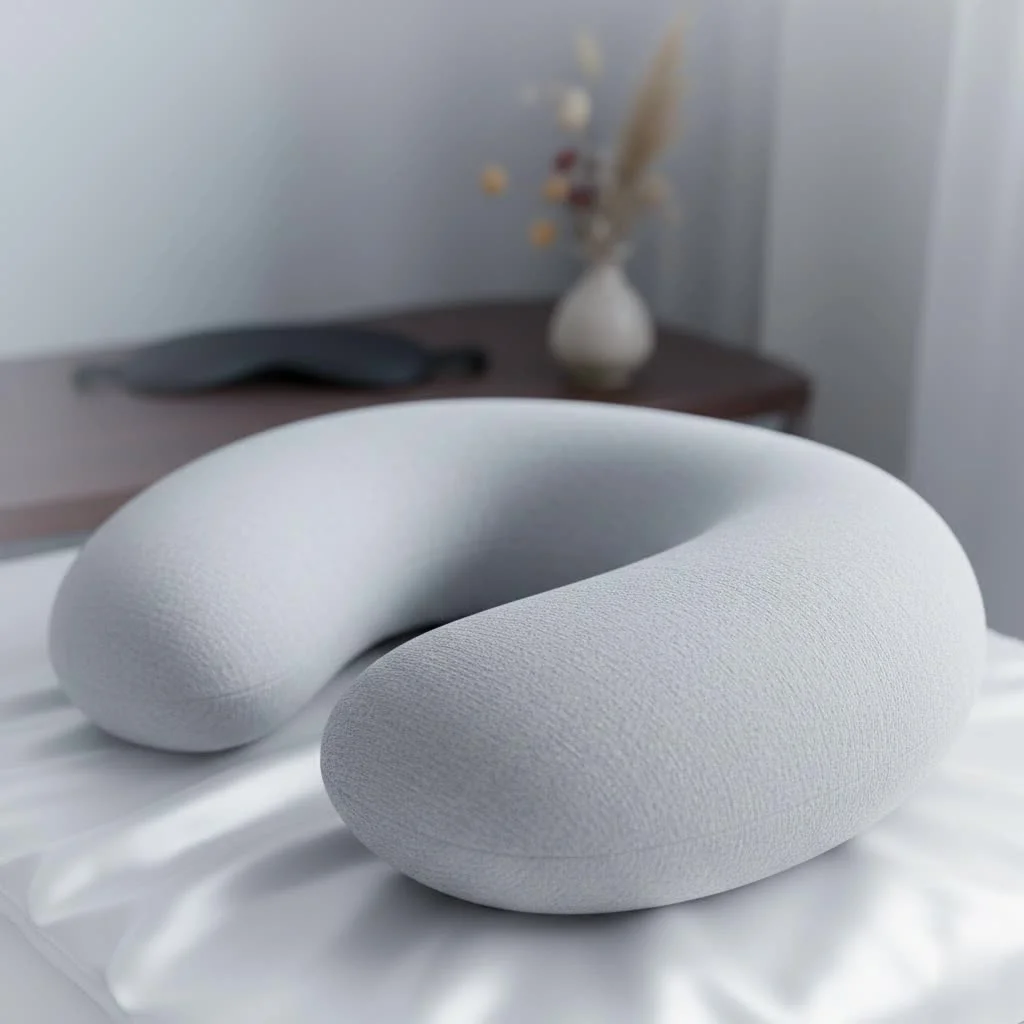
This comprehensive guide will delve into the world of orthopaedic pillows, exploring what makes them different, their profound benefits for neck pain, the various types available, and how to select the perfect one to match your unique needs and sleeping style. Investing in the right orthopaedic pillow can be a pivotal step towards achieving restful sleep and a pain-free morning.
What is an Orthopaedic Pillow?
An orthopaedic pillow is much more than a standard pillow; it is an expertly engineered sleep aid designed to correct body positioning and provide optimal support to the spine, particularly the cervical (neck) region. Unlike conventional pillows that often flatten or lose their shape, orthopaedic pillows conform to specific ergonomic guidelines. Their primary purpose is to maintain the natural curvature of your neck and align it with the rest of your spine while you sleep, whether you’re on your back or side.
This thoughtful design reduces strain on the muscles, ligaments, and nerves in your neck and shoulders. By promoting neutral spinal alignment, an orthopaedic pillow prevents awkward sleeping positions that can exacerbate existing pain or lead to new discomfort, allowing your muscles to relax and your body to rejuvenate throughout the night.
Why You Need an Orthopaedic Pillow for Neck Pain
The benefits of integrating an orthopaedic pillow into your sleep routine extend far beyond simple comfort. For individuals suffering from neck pain, stiffness, or related conditions, these pillows offer a therapeutic approach to nightly rest.
- Alleviates Neck and Shoulder Pain: By supporting the cervical spine’s natural curve, orthopaedic pillows reduce pressure points and muscle tension, which are common causes of chronic neck and shoulder pain. Many users report a significant decrease in discomfort after switching to a supportive pillow.
- Reduces Stiffness and Headaches: Improper spinal alignment during sleep can lead to morning stiffness and tension headaches or even migraines. An orthopaedic pillow helps prevent these issues by ensuring your head and neck remain in a healthy, neutral position.
- Improves Spinal Alignment and Posture: The core function of an orthopaedic pillow is to promote optimal spinal alignment. This not only eases current pain but also contributes to better posture throughout the day, mitigating the cumulative stress that can lead to long-term issues.
- Enhances Sleep Quality: When your body is properly supported, you’re less likely to toss and turn or wake up due to discomfort. This leads to deeper, more restorative sleep, which is crucial for physical and mental health.
- Aids in Recovery: For those recovering from injuries like whiplash or managing conditions such as cervical spondylosis or herniated discs, an orthopaedic pillow provides the consistent, therapeutic support essential for healing and pain management.
If you frequently wake with discomfort, work long hours at a desk, travel often, or have underlying spinal issues, an orthopaedic pillow can be a game-changer for your nightly rest and overall well-being.
Common Types of Orthopaedic Neck Pillows
The market offers a variety of orthopaedic pillows, each designed with specific features to address different needs and sleeping preferences. Understanding these types is crucial for making an informed choice.
Contour/Cervical Pillows
|
Our Picks for the Best Neck Pillow in 2026
As an Amazon Associate I earn from qualifying purchases.
|
||
| Num | Product | Action |
|---|---|---|
| 1 | Ultra Pain Relief Cooling Pillow for Neck Support, Adjustable Cervical Pillow Cozy Sleeping, Odorless Ergonomic Contour Memory Foam Pillows, Orthopedic Bed Pillow for Side Back Stomach Sleeper |

|
| 2 | Ultra Pain Relief Cooling Pillow for Neck Support, Adjustable Cervical Pillow Cozy Sleeping, Odorless Ergonomic Contour Memory Foam Pillows, Orthopedic Bed Pillow for Side Back Stomach Sleeper |
|
| 3 | Ultra Pain Relief Cooling Pillow for Neck Support, Adjustable Cervical Pillow Cozy Sleeping, Odorless Ergonomic Contour Memory Foam Pillows, Orthopedic Bed Pillow for Side Back Stomach Sleeper |
|
| 4 | SAIREIDER Travel Pillows for Sleeping Airplane 100% Pure Memory Foam Neck Pillow for Airplanes Washable Cover(Grey) |
|
| 5 | SAIREIDER Travel Pillows for Sleeping Airplane 100% Pure Memory Foam Neck Pillow for Airplanes Washable Cover with Storage Bag (Grey) |
|
| 6 | SAIREIDER Travel Pillow 100% Pure Memory Foam Travel Neck Pillow, Airplane Pillow for Traveling、Car、Home、Office,Washable Cover(Black) |
|
| 7 | SAIREIDER Travel Pillow 100% Pure Memory Foam Travel Neck Pillow with Storage Bag, Airplane Pillow for Traveling、Car、Home、Office,Washable Cover(Black) |
|
| 8 | SAIREIDER Neck Pillows for Travel-Head Neck Support Travel Pillow for Traveling, Car, Home, Office Adjustable(Navy Blue) |
|
| 9 | Cervical Memory Foam Pillow – Ergonomic Neck Support for Side, Back & Stomach Sleepers - Odorless Beauty Sleep Pillow for Deep Rest (Light Grey, King Size 24.8" Lx16.9 Wx5.9 H) |
|
| 10 | SAIREIDER Travel Neck Pillow 100% Pure Memory Foam Airplane Pillow for Head Support,Soft Adjustable Pillow for Plane, Car & Home Recliner (Pink) |
|
These are perhaps the most recognizable type of orthopaedic pillow, characterized by their distinctive wave-like shape. They typically feature a raised edge to support the neck’s curve and a shallower dip for the head.
- Pros: Excellent for maintaining cervical spine alignment for both back and side sleepers. They cradle the head and neck, offering consistent support and pressure relief.
- Cons: The fixed shape might not suit everyone immediately, and some may find them initially restrictive. Adjusting to the contours can take a few nights.
- Best for: Individuals with persistent neck pain, back sleepers, and side sleepers who need dedicated cervical support.
Memory Foam Orthopaedic Pillows
Memory foam, or viscoelastic foam, is a popular material for orthopaedic pillows due to its unique properties. These pillows conform to the shape of your head and neck in response to body heat and pressure.
- Pros: Provides personalized support and superior pressure distribution, effectively cradling the sensitive neck area. Memory foam is also known for its durability.
- Cons: Traditional memory foam can sometimes retain heat, which might be uncomfortable for hot sleepers. Some new pillows may have an initial “off-gassing” odor.
- Best for: Those seeking personalized, consistent support and excellent pressure relief. Many contour pillows are made from memory foam.
Adjustable Loft Pillows
Adjustable loft pillows typically contain shredded memory foam, latex, or other customizable fills that allow you to add or remove material to achieve your desired height and firmness.
- Pros: Highly customizable, enabling you to fine-tune the pillow’s loft and firmness to perfectly match your head, neck, and shoulder contours, regardless of your sleeping position. Ideal for combination sleepers.
- Cons: May require some trial and error to find the optimal fill level. The shredded material can sometimes shift, requiring occasional fluffing.
- Best for: Individuals who need precise control over their pillow’s characteristics, or those with unique anatomical requirements.
Latex Orthopaedic Pillows
Latex pillows are made from the sap of rubber trees (natural latex) or synthetic latex. They are known for their responsiveness and supportive qualities.
- Pros: Offers resilient, bouncy support that doesn’t sag. Latex is naturally hypoallergenic, dust mite resistant, and often more breathable than traditional memory foam.
- Cons: Can be more expensive than other materials and may have a distinct rubbery smell initially. The unique feel might not be preferred by everyone.
- Best for: Allergy sufferers, those seeking durable and responsive support, and individuals who prefer a bouncier feel over deep contouring.
Orthopaedic Neck Pillow Comparison Chart
| Pillow Type | Material (Common) | Ideal Sleep Position(s) | Firmness (Typical) | Key Benefit | Potential Drawback |
|---|---|---|---|---|---|
| Contour/Cervical | Memory Foam, Polyfoam | Back, Side | Medium-Firm | Excellent spinal alignment | Fixed shape, adjustment period |
| Memory Foam | Viscoelastic Foam | Back, Side | Medium-Firm | Personalized contouring | Heat retention, off-gassing |
| Adjustable Loft | Shredded Memory Foam/Latex | All (customizable) | Soft-Firm (adjustable) | Highly customizable support | Requires adjustment, occasional fluffing |
| Latex | Natural/Synthetic Latex | Back, Side | Medium-Firm | Responsive, hypoallergenic | Higher cost, distinct feel |
How to Choose the Right Orthopaedic Pillow for Your Neck Pain
Selecting the perfect orthopaedic pillow is a personal journey, as what works for one person might not work for another. Consider these crucial factors to make an informed decision:
Assess Your Sleep Position
Your primary sleeping position dictates the type and loft (height) of pillow you need to maintain proper spinal alignment.
- Back Sleepers: Look for a pillow with a medium loft that supports the natural curve of your neck without pushing your head too far forward. Cervical or contour pillows are often ideal, as they fill the space under your neck while cradling your head. A pillow thickness of around 3-5 inches is generally recommended.
- Side Sleepers: You need a firmer, higher loft pillow to fill the gap between your ear and the mattress, keeping your head and neck aligned with your spine. Memory foam or contour pillows with a robust structure work well. Aim for a pillow thickness of about 4-6 inches.
- Stomach Sleepers: This position is generally not recommended for neck health, as it often involves twisting the neck. If you must sleep on your stomach, opt for a very thin, soft pillow (under 2-3 inches) or consider sleeping without one to minimize strain.
Consider Material and Firmness
The pillow’s material influences its feel, support, and durability.
- Memory Foam: Excellent for personalized contouring and pressure relief. Look for gel-infused options if heat retention is a concern.
- Latex: Offers responsive, resilient support and is often a good choice for allergy sufferers due to its natural hypoallergenic properties.
- Shredded Foam/Adjustable Fill: Provides the flexibility to customize firmness and loft, making it adaptable to changing needs.
- Firmness: Generally, side sleepers benefit from a firmer pillow, back sleepers from a medium-firm, and stomach sleepers from a very soft or thin pillow. The right firmness prevents your head from sinking too much or being propped up too high.
Check for Adjustability and Support
Some orthopaedic pillows offer features like adjustable fill or interchangeable layers, allowing you to customize the pillow’s height and feel. This can be beneficial as your needs might change or if you’re unsure about your ideal loft. Ultimately, the pillow should actively support your head and neck, ensuring that your cervical spine remains in a neutral, aligned position, rather than simply cushioning it.
Evaluate Special Features
Many orthopaedic pillows come with additional features that can enhance your sleep experience.
- Cooling Properties: If you tend to sleep hot, look for pillows with gel infusions, breathable covers (e.g., bamboo, Tencel), or open-cell memory foam to help regulate temperature.
- Hypoallergenic Materials: For allergy sufferers, pillows made from latex, shredded foam with hypoallergenic covers, or those specifically labeled as anti-allergy can provide relief.
- Washable Covers: A removable, machine-washable cover is a practical feature for maintaining hygiene and extending the life of your pillow.
Read Reviews and Reputable Brands
Before purchasing, research reputable brands known for quality orthopaedic products. Read user reviews to gain insights into how the pillow performs for people with similar sleeping habits or neck issues. Many companies also offer trial periods, which allow you to test the pillow at home and ensure it meets your comfort and support needs.
“Finding the right orthopaedic pillow is about more than just comfort; it’s about investing in your long-term spinal health and preventing chronic discomfort.” – Dr. Alistair Finch, Orthopaedic Specialist
Top 5 Orthopaedic Pillows for Neck Pain Relief
While specific brand names can change frequently, the following categories represent highly effective orthopaedic pillow designs consistently praised for neck pain relief.
- The Ergonomic Contour Memory Foam Pillow: This classic design remains a favorite for its ability to perfectly cradle the head and support the cervical curve. Its unique shape ensures the neck is elevated while the head rests comfortably in a central depression, promoting optimal spinal alignment for both back and side sleepers. It’s often recommended for consistent, therapeutic support.
- The Adjustable Shredded Memory Foam Pillow: Offering unparalleled customization, this type allows you to remove or add shredded foam fill to achieve your ideal loft and firmness. This adaptability makes it an excellent choice for combination sleepers or those whose support needs vary, ensuring a personalized fit that alleviates pressure points.
- The Responsive Latex Cervical Pillow: For those who prefer a bouncier, more resilient feel than memory foam, a latex cervical pillow is a superb option. Natural latex provides firm yet yielding support, maintaining its shape throughout the night. Its inherent breathability and hypoallergenic properties also make it ideal for sensitive sleepers.
- The Cooling Gel-Infused Orthopaedic Pillow: Designed for hot sleepers experiencing neck pain, these pillows incorporate cooling gel particles or layers within memory foam. This technology helps dissipate heat, providing a cooler sleep surface while still delivering the firm, contouring support essential for pain relief and proper alignment.
- The Specialized Cervical Roll Pillow: Often a supplementary pillow or integrated into larger designs, the cervical roll provides targeted support directly to the neck’s curve. It can be particularly beneficial for individuals needing to maintain a very specific cervical posture, such as those with acute neck injuries or conditions requiring precise alignment.
Where to Buy Orthopaedic Neck Pillows
Orthopaedic pillows are widely available, making it convenient to find the right one for you.
- Online Retailers: Websites like Amazon, dedicated bedding stores, and specialist medical supply sites offer a vast selection, often with detailed descriptions and customer reviews. This provides convenience and a wide range of options.
- Physical Stores: Department stores, specialty bedding shops, and even some chiropractic or physiotherapy clinics may carry orthopaedic pillows. Shopping in person allows you to feel the materials and test the pillow’s firmness and shape, though selection might be more limited.
- Consider Trial Periods: Many manufacturers, especially online, offer generous trial periods (e.g., 30-100 nights) and easy return policies. This is highly beneficial, as it allows you to truly test the pillow in your own sleeping environment before committing.
Cleaning and Maintaining Your Orthopaedic Pillow
Proper care extends the life and effectiveness of your orthopaedic pillow. Always refer to the manufacturer’s instructions, as materials vary.
- Covers: Most orthopaedic pillows come with removable, washable covers. Wash these regularly according to the fabric care instructions.
- Foam Inserts: Memory foam and latex inserts typically cannot be machine washed. Spot clean any stains with a mild detergent and allow them to air dry completely, away from direct sunlight.
- Shredded Fill: For pillows with removable shredded fill, some types might allow gentle machine washing of the fill itself, but often it’s best to air it out regularly and spot clean as needed.
- Airing Out: Periodically air out your pillow (without the cover) to remove moisture and refresh the material.
- Replacement: Even the best pillows eventually lose their supportive qualities. A general guideline is to replace your orthopaedic pillow every 1-2 years, or sooner if you notice it has become lumpy, flat, or no longer provides adequate support.
Conclusion
Choosing the right orthopaedic pillow is a proactive step towards alleviating neck pain, improving sleep quality, and fostering long-term spinal health. By understanding the different types of pillows, considering your unique sleeping habits, and prioritizing materials that offer optimal support and comfort, you can find a solution that truly transforms your nights. Don’t let chronic neck pain dictate your comfort or disrupt your rest any longer. Investing in a quality orthopaedic pillow is an investment in your well-being, paving the way for refreshed mornings and pain-free days.
What difference could a truly supportive pillow make for your sleep tonight?
Frequently Asked Questions
Are orthopaedic pillows really effective for neck pain?
Yes, orthopaedic pillows are widely regarded as effective for neck pain relief. They are specifically designed to support the natural curvature of the cervical spine, promoting proper alignment and reducing strain on muscles and ligaments, which are common causes of neck pain.
How long does it take to get used to an orthopaedic pillow?
The adjustment period for an orthopaedic pillow can vary from a few nights to a couple of weeks. Your body needs time to adapt to the new support and alignment, especially if you’ve been using an unsupportive pillow for a long time.
Can stomach sleepers use an orthopaedic pillow?
Generally, orthopaedic pillows are not recommended for stomach sleepers, as their contoured shape can elevate the head too much, further straining the neck. A very thin, flat pillow or no pillow at all is usually better for stomach sleepers to maintain spinal alignment.
What’s the difference between a cervical pillow and an orthopaedic pillow?
A cervical pillow is a specific type of orthopaedic pillow. While “orthopaedic pillow” is a broader term for any pillow designed to support body positioning, a cervical pillow specifically focuses on supporting the natural curve of the neck (cervical spine).
How do I know if my current pillow is causing neck pain?
Key indicators that your current pillow might be the culprit include waking up with a stiff, sore neck, morning headaches, shoulder tension, or feeling the need to “crack” your neck when you first get out of bed.
Get our weekly buyer guide
Practical specs, not advice. Unsubscribe anytime.
