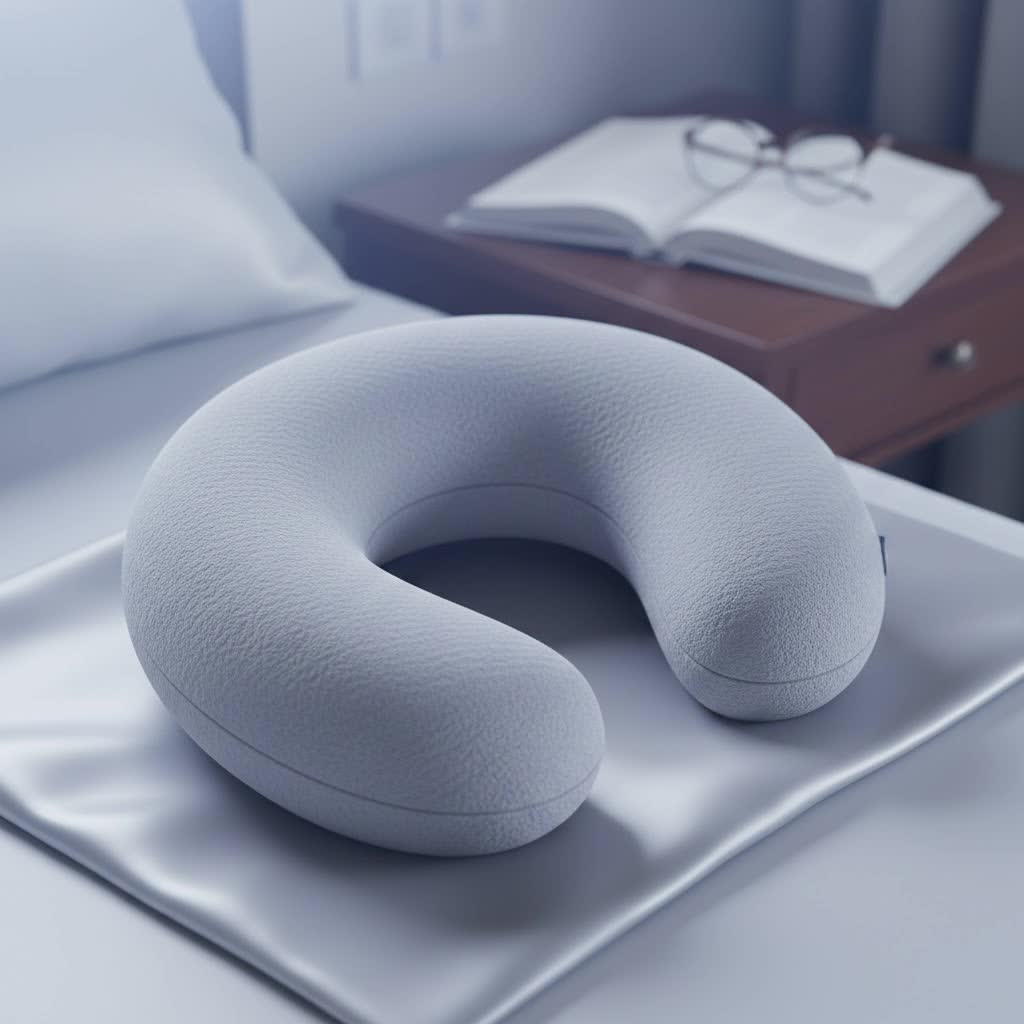
Waking up with a stiff, achy neck can instantly derail your day, turning morning serenity into a struggle. If you find yourself frequently experiencing discomfort, headaches, or even arm numbness, the culprit might be closer than you think: your pillow. While often overlooked, the right neck pillow is crucial for maintaining proper spinal alignment and ensuring restorative sleep. But with countless options on the market, how do you choose the one that offers relief instead of contributing to your pain?
What is a Neck Pillow and How Does it Work (or Fail)?
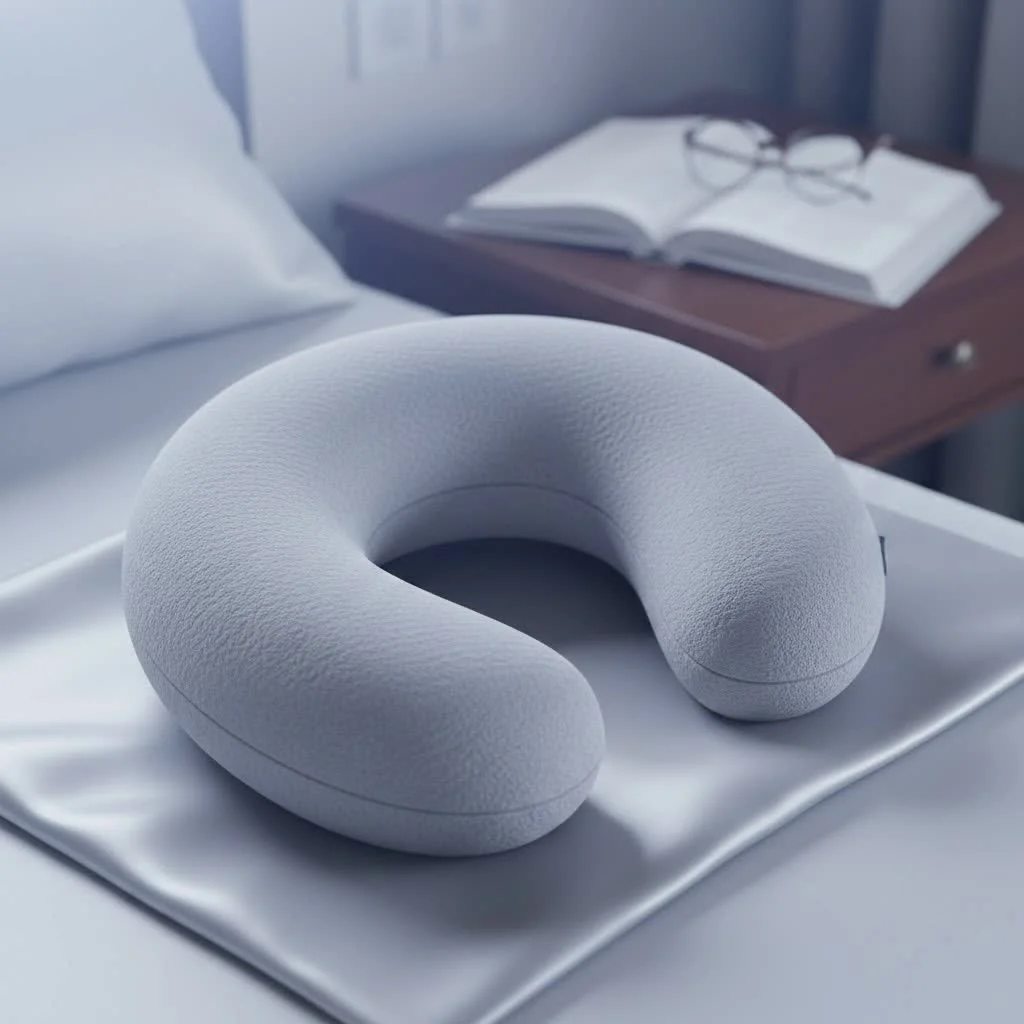
At its core, a neck pillow, often referred to as a cervical pillow, is designed to support the natural curve of your cervical spine—the upper part of your backbone located in your neck. Its primary purpose is to keep your head and neck aligned with the rest of your spine while you sleep, preventing unnatural angles and reducing strain on muscles and ligaments. When functioning correctly, a good neck pillow cradles your head, promoting relaxation and allowing your muscles to repair themselves overnight. For best neck pillows roundups on this site.
However, a neck pillow fails in its duty when it doesn’t match your individual needs. A pillow that is too soft, too firm, or the wrong height for your sleeping position can force your neck into an awkward position, creating pressure points and leading to discomfort, stiffness, and chronic pain. The goal is a neutral alignment, where your ears are level with your shoulders and your chin sits parallel to the floor, neither tilted up nor down.
Why Your Current Pillow Might Be Hurting Your Neck
Many factors contribute to a pillow causing neck pain, often stemming from a mismatch between the pillow and your unique sleep physiology. Recognizing these common pitfalls is the first step toward a pain-free morning.
Wrong Loft (Height) or Thickness
One of the most frequent culprits is a pillow with an unsuitable loft, or height. If your pillow is too thick or you use too many pillows, your neck can be propped at an angle that causes craning or twisting, straining your neck, shoulders, and back. [cite: 2(Pillow Talk)] Conversely, a pillow that is too flat or thin allows your head to fall back, flattening your natural cervical curve and forcing muscles and ligaments to work harder throughout the night.
Incorrect Firmness
The firmness of your pillow plays a critical role in providing adequate support. A pillow that is too firm can create uncomfortable pressure points, while one that is too soft will lack the necessary support, allowing your head to sink too deeply. Both scenarios disrupt neutral spinal alignment, leading to tension and neck pain.
Poor Support & Shape Retention
|
Our Picks for the Best Neck Pillow in 2026
As an Amazon Associate I earn from qualifying purchases.
|
||
| Num | Product | Action |
|---|---|---|
| 1 | SAIREIDER Travel Pillow 100% Pure Memory Foam Travel Neck Pillow with Storage Bag, Airplane Pillow for Traveling、Car、Home、Office,Washable Cover(Black) |

|
| 2 | Ultra Pain Relief Cooling Pillow for Neck Support, Adjustable Cervical Pillow Cozy Sleeping, Odorless Ergonomic Contour Memory Foam Pillows, Orthopedic Bed Pillow for Side Back Stomach Sleeper |
|
| 3 | Ultra Pain Relief Cooling Pillow for Neck Support, Adjustable Cervical Pillow Cozy Sleeping, Odorless Ergonomic Contour Memory Foam Pillows, Orthopedic Bed Pillow for Side Back Stomach Sleeper |
|
| 4 | SAIREIDER Travel Pillow 100% Pure Memory Foam Travel Neck Pillow, Airplane Pillow for Traveling、Car、Home、Office,Washable Cover(Black) |
|
| 5 | SAIREIDER Travel Pillows for Sleeping Airplane 100% Pure Memory Foam Neck Pillow for Airplanes Washable Cover(Grey) |
|
| 6 | SAIREIDER Neck Pillows for Travel-Head Neck Support Travel Pillow for Traveling, Car, Home, Office Adjustable(Navy Blue) |
|
| 7 | Cervical Memory Foam Pillow – Ergonomic Neck Support for Side, Back & Stomach Sleepers - Odorless Beauty Sleep Pillow for Deep Rest (Light Grey, King Size 24.8" Lx16.9 Wx5.9 H) |
|
| 8 | SAIREIDER Travel Neck Pillow 100% Pure Memory Foam Airplane Pillow for Head Support,Soft Adjustable Pillow for Plane, Car & Home Recliner (Pink) |
|
| 9 | SAIREIDER Travel Pillows for Sleeping Airplane 100% Pure Memory Foam Neck Pillow for Airplanes Washable Cover with Storage Bag (Grey) |
|
| 10 | Ultra Pain Relief Cooling Pillow for Neck Support, Adjustable Cervical Pillow Cozy Sleeping, Odorless Ergonomic Contour Memory Foam Pillows, Orthopedic Bed Pillow for Side Back Stomach Sleeper |
|
Over time, pillows can compress, lose their original shape, and become less supportive. Materials like shredded foam or feather pillows, while initially comfortable, can lose stability and flatten, failing to provide consistent support and allowing for malalignment of the head, neck, and spine. [cite: 2(HealthCentral), 5] An old, worn-out pillow simply can’t do its job effectively.
Mismatched to Your Sleep Position
Your preferred sleeping position significantly dictates the type of pillow you need for optimal neck support. A pillow that works for a back sleeper will likely be unsuitable for a side sleeper, and vice versa. Using a pillow designed for a different sleep style can inadvertently lead to misalignment and pain.
Pillow Age & Hygiene
Pillows don’t last forever. Most should be replaced every 1-2 years, especially if they no longer spring back or have lost their supportive qualities. Beyond support, unwashed pillows can harbor bacteria, dust mites, and allergens, potentially impacting sleep quality and overall health. Regular washing of pillowcases and periodic pillow cleaning are essential for a healthy sleep environment.
Common Pillow Mistakes
Even with the “right” pillow, improper usage can lead to pain. Resting your shoulders on the pillow, for instance, lifts the upper body awkwardly, straining neck muscles. Similarly, folding your pillow in half for extra height creates uneven pressure and can lead to stiffness. Ignoring your body shape and size is also a common mistake; taller individuals or those with broader shoulders often require a firmer, higher pillow for proper alignment.
The Importance of the Right Neck Pillow for Pain-Free Sleep
Investing in the right neck pillow is more than just a comfort upgrade; it’s an investment in your health and well-being. A properly selected pillow can be a game-changer, offering a multitude of benefits that extend far beyond simply alleviating a stiff neck.
The primary benefit is maintaining natural spinal alignment, which is crucial for reducing pressure on sensitive areas of your neck and back. This proper support can significantly reduce or even eliminate chronic neck pain, headaches, shoulder pain, and upper back tightness. [cite: 2(Pillow Talk), 5] When your head and neck are correctly supported, your muscles can relax, de-stress, and recover from the day’s activities, improving blood flow and reducing muscle tension.
Moreover, a good neck pillow enhances overall sleep quality. By preventing discomfort and frequent tossing and turning, it allows for deeper, more restorative sleep, which is essential for physical and mental health. Preventing misalignment also helps avoid long-term issues, contributing to better posture and preventing conditions like “tech neck” or exacerbating existing spinal problems. In essence, the right neck pillow helps your body optimize its systems while you rest, setting the stage for a healthier you. [cite: 2(Pillow Talk)]
Decoding Neck Pillow Types: Pros and Cons for Neck Health
The market offers a diverse array of neck pillow materials and designs, each with unique characteristics that may or may not suit your specific needs. Understanding these differences is key to making an informed choice for your neck health.
Memory Foam Pillows
Memory foam, made from viscoelastic polyurethane foam, is renowned for its ability to contour precisely to the shape of your head and neck, offering personalized support and reducing pressure points. This adaptive quality helps maintain consistent support throughout the night. However, a common drawback is their tendency to retain heat, which can be uncomfortable for hot sleepers. Some also find memory foam pillows to be either too firm or too soft if not chosen carefully. [cite: 3(Cleveland Clinic), 5]
Latex Pillows
Latex pillows, derived from rubber tree sap, are celebrated for their responsive yet rigid support. They offer a bouncy feel, excellent durability, and are generally more breathable and cooler than traditional memory foam. [cite: 4(Types), 5(Neck Pillows)] Natural latex is also hypoallergenic and resistant to dust mites. Both Talalay and Dunlop latex variations exist, with Talalay often being softer and Dunlop firmer, providing consistent support that keeps its shape well over time.
Down/Feather Pillows
Down and feather pillows are traditionally prized for their luxurious softness and adjustability. They can be fluffed and molded to a desired shape, offering initial comfort. However, their primary disadvantage for neck health is their tendency to flatten and lose shape over time, leading to inconsistent support and potential spinal misalignment. They are often considered too soft for individuals requiring significant neck support to alleviate pain. [cite: 2(HealthCentral)]
Buckwheat Pillows
Buckwheat pillows, filled with buckwheat seed casings, are an excellent choice for those seeking very firm and stable support. The hulls interlock to create a solid sleeping surface that conforms without sinking, offering remarkable stability. They are also highly breathable. Some users may find the initial feel unusual, likening it to a “sack of sand,” and they can be slightly noisy with movement. However, for specific neck pain issues requiring rigid support, they are highly effective. [cite: 4(Types)]
Cervical/Orthopedic Pillows
Cervical or orthopedic pillows are specifically engineered with contours, dips, or raised bolsters to provide targeted support for the neck and head. They are designed to promote neutral spinal alignment and can be particularly beneficial for back and side sleepers who need help maintaining proper posture. Examples include D-core pillows with a central indentation or butterfly-shaped designs that cradle the neck and relieve shoulder pressure. [cite: 5(Neck Pillows), 2] While highly effective for many, it’s crucial to find one that fits your unique anatomy, as a one-size-fits-all approach doesn’t apply.
Adjustable Pillows
Adjustable pillows offer a customizable solution by allowing you to add or remove fill material (such as shredded memory foam, latex, or even wool) to achieve your ideal loft and firmness. This adaptability makes them suitable for combination sleepers or those unsure of their exact preferences. They provide the flexibility to “dial in” the perfect orthopedic posture, accommodating various body sizes and sleep positions.
Finding Your Perfect Neck Pillow: A Comprehensive Buying Guide
Choosing the right neck pillow is a personal journey, but by following a structured approach, you can significantly increase your chances of finding one that provides lasting relief.
Assess Your Sleep Position
Your dominant sleep position is the most critical factor in pillow selection, as it dictates the required height and support to maintain neutral spinal alignment. [cite: 1, 2(How to Choose)]
- Back Sleepers: Aim for a medium-loft pillow (around 3-5 inches thick) that supports the natural curve of your neck without pushing your head too far forward. Contoured memory foam or cervical pillows are often ideal. [cite: 1, 2(How to Choose)] A small neck roll or a rolled-up towel can also be placed inside your pillowcase for added cervical support. [cite: 2(Best Pillows)]
- Side Sleepers: You need a thicker, firmer pillow (approximately 4-6 inches thick) to fill the gap between your ear and shoulder, keeping your head aligned with your spine’s horizontal line. [cite: 1, 3(How to Choose)] Look for pillows with a higher loft and medium-to-firm support, or those with a crescent shape that hugs the shoulder. [cite: 1(Best Pillows)]
- Stomach Sleepers: This position is generally discouraged due to the strain it places on the neck by forcing your head to turn to one side. If you must sleep on your stomach, opt for a very thin pillow (under 2-3 inches) or no pillow at all to minimize neck strain. [cite: 1, 3(How to Choose)] Gradually transitioning to side or back sleeping is often recommended for better spinal health.
Consider Your Body Type
Your height, weight, and shoulder width are important considerations. Taller individuals or those with broader shoulders typically require a firmer, higher pillow to adequately fill the space between the head and mattress and keep the spine aligned. Conversely, slimmer individuals may need a softer, lower pillow.
Choose the Right Material
The material dictates the pillow’s feel, support, and heat retention properties.
- Memory Foam is excellent for contouring and pressure relief, but consider cooling features if you sleep hot.
- Latex offers a balance of support, responsiveness, and breathability, making it a popular choice for chronic neck pain. [cite: 1(Healthline)]
- Buckwheat provides firm, stable support for those who need it, while down/feather offers softness but may lack consistent support over time.
Evaluate Loft and Firmness
The goal is a pillow that keeps your neck in a “neutral” position, where your face plane is horizontal for both side and back sleepers. [cite: 3(Pillows and neck)] The pillow should fill the distance from your shoulder to your ear (for side sleepers) or support your neck’s natural curve (for back sleepers) without forcing your head up or letting it sink too deep. Testing different materials and noting how your neck feels in the morning is crucial.
Don’t Forget Pillow Age & Durability
A pillow’s effectiveness diminishes with age. If your pillow is over two years old, doesn’t bounce back when folded, or has visible signs of wear and tear, it’s likely time for a replacement. Look for durable materials that retain their shape and support, ensuring a longer lifespan for your investment.
Brand Reputation and Reviews
Researching reputable brands and reading user reviews can provide valuable insights into a pillow’s performance and durability. Pay attention to feedback regarding neck pain relief, material quality, and how well the pillow maintains its shape over time.
Trial Periods
Many companies offer trial periods, allowing you to test a pillow at home. Take advantage of these to ensure the pillow genuinely improves your neck health over several nights. If pain persists after a week, it may be time to try another option or consult a specialist.
Top 5 Features to Look for in a Neck Pillow to Prevent Pain
When actively seeking a new neck pillow, keep these key features in mind to guide your selection towards lasting pain relief and optimal support.
- Ergonomic Design & Cervical Support: Look for pillows specifically designed to support the natural curve of your neck. These often feature contoured shapes, raised bolsters, or D-shaped indentations that cradle your head and neck, promoting neutral spinal alignment and relieving tension. [cite: 5(Neck Pillows)]
- Adjustable Loft: Pillows that allow you to customize their height by adding or removing fill are incredibly beneficial. This adjustability ensures you can fine-tune the pillow to your specific body type and sleep position, achieving personalized support that prevents your head from being too high or too low.
- Pressure-Relieving Material: Materials like memory foam and latex are excellent at conforming to your body, distributing weight evenly, and reducing pressure points. This helps alleviate discomfort and allows muscles to fully relax during sleep.
- Breathability & Cooling: Overheating can disrupt sleep, leading to discomfort and increased tension. Choose pillows with breathable materials (like natural latex or certain shredded foams) or cooling technologies to help regulate temperature and ensure a more restful night.
- Durable Construction: A high-quality pillow should maintain its shape and supportive properties over time. Investing in durable materials like latex or dense memory foam ensures consistent support for years, preventing the premature sagging that can lead to recurrent neck pain. [cite: 2(How to Choose)]
Where to Buy Quality Neck Pillows
Finding a quality neck pillow requires knowing where to look to ensure you’re getting a product that genuinely addresses your needs.
- Specialty Sleep Stores: These stores often have knowledgeable staff who can guide you through different pillow types and allow you to test them in person.
- Online Retailers: Many reputable online brands specialize in pillows for neck pain, often offering a wider selection, competitive pricing, and generous trial periods. Be sure to read detailed product descriptions and customer reviews.
- Physical Therapy or Chiropractic Offices: Sometimes, these professionals may recommend specific pillows or brands known for their therapeutic benefits and spinal support.
- Department Stores: While they offer a broad selection, be wary of general pillows and focus on those explicitly marketed for neck support, checking specifications closely.
When buying online, always verify return policies, warranty information, and read customer feedback to ensure satisfaction.
Caring for Your Neck Pillow: Maintenance Tips
Proper care and maintenance can extend the life of your neck pillow and maintain its supportive qualities, ensuring continuous relief from neck pain.
- Wash Pillowcases Regularly: Aim to wash your pillowcases weekly to remove oils, sweat, and allergens that accumulate.
- Clean Your Pillow: Check the care label for specific washing instructions. Different materials have different requirements. Some pillows can be machine-washed (e.g., certain synthetic or shredded foam pillows), while others (like solid memory foam or latex) may only allow spot cleaning. Pillows should typically be cleaned every 3-6 months.
- Fluff and Air Out: Regularly fluffing your pillow (if applicable to its material) helps redistribute the fill and maintain its shape. Airing your pillow out can also help keep it fresh and reduce moisture buildup.
- Use a Pillow Protector: A good quality pillow protector adds an extra barrier against dust mites, allergens, and spills, prolonging the pillow’s cleanliness and lifespan.
- Know When to Replace: Even with the best care, pillows have a lifespan. If your pillow is consistently causing neck pain, has lost its ability to spring back, or shows significant lumps and indentations, it’s time for a replacement, typically every 1-2 years.
Conclusion
Waking up with a stiff neck is a clear signal that your sleep setup, particularly your pillow, might be working against you. The journey to pain-free mornings begins with understanding the crucial role a neck pillow plays in maintaining proper spinal alignment and supporting the delicate structures of your cervical spine. By considering your sleep position, body type, preferred materials, and the right level of loft and firmness, you can navigate the vast world of neck pillows to find your perfect match.
Remember, the goal isn’t just any pillow, but one that actively supports your head and neck in a neutral position, allowing for optimal muscle relaxation and restorative sleep. Are you ready to transform your sleep and say goodbye to neck pain for good?
Frequently Asked Questions
What is the ideal pillow height for neck pain?
The ideal pillow height, or loft, depends on your sleep position. Back sleepers generally need a medium-height pillow (3-5 inches), while side sleepers require a thicker, firmer pillow (4-6 inches) to bridge the gap between their shoulder and head. Stomach sleepers benefit from a very thin pillow or no pillow at all.
Can an old pillow cause neck pain?
Yes, absolutely. Over time, pillows lose their shape, firmness, and supportive qualities, leading to improper spinal alignment during sleep. This lack of support can exacerbate existing neck pain or even cause new discomfort and stiffness. Most pillows should be replaced every 1-2 years.
Is memory foam good for neck pain?
Memory foam can be an excellent choice for neck pain due to its ability to contour to the head and neck, offering personalized support and pressure relief. However, some memory foam can retain heat, and finding the right firmness is key—too soft or too firm can still lead to pain.
Should stomach sleepers use a neck pillow?
Stomach sleeping is generally not recommended for neck health as it forces the head to turn to the side, twisting the spine. If you must sleep on your stomach, use a very thin, soft pillow or no pillow at all to minimize strain on your neck and maintain the most neutral alignment possible.
How do I know if my pillow is too firm or too soft?
If your pillow is too firm, your head will be pushed upwards, creating a pronounced angle at your neck. If it’s too soft, your head will sink too deeply, causing your neck to tilt downwards. In both cases, your ears won’t be aligned with your shoulders, and your chin won’t be parallel to the floor.
Get our weekly buyer guide
Practical specs, not advice. Unsubscribe anytime.
