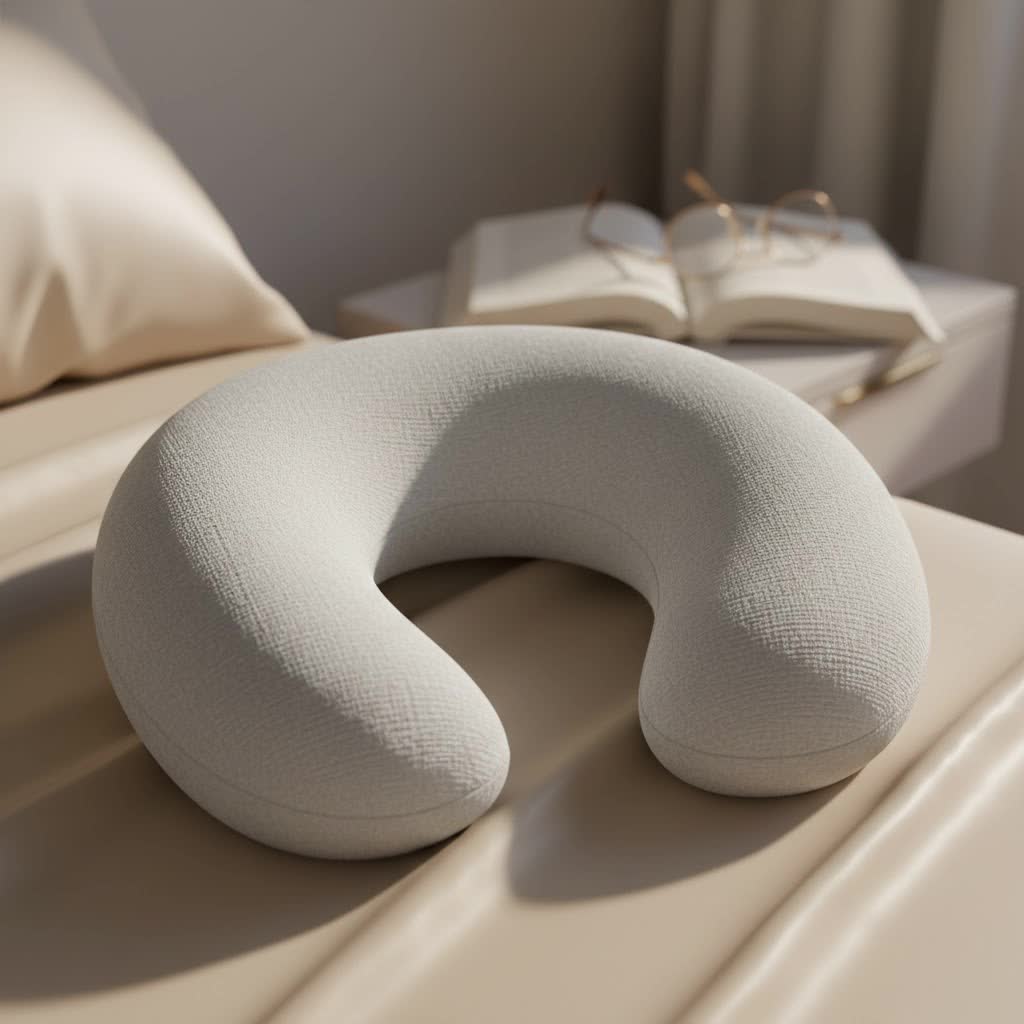
Waking up with a stiff, aching neck is a frustrating and common experience, often signaling that your current pillow is working against you. The right pillow isn’t just a comfort item; it’s a critical tool for maintaining proper spinal alignment and alleviating neck pain, transforming your sleep and overall well-being. With so many options available, finding the perfect pillow for your unique needs can feel overwhelming. This comprehensive guide, informed by years of expertise in sleep health, will help you navigate the choices and discover the best pillow to bring you lasting neck pain relief and restorative sleep.
Understanding Neck Pillows: Your Foundation for Pain Relief
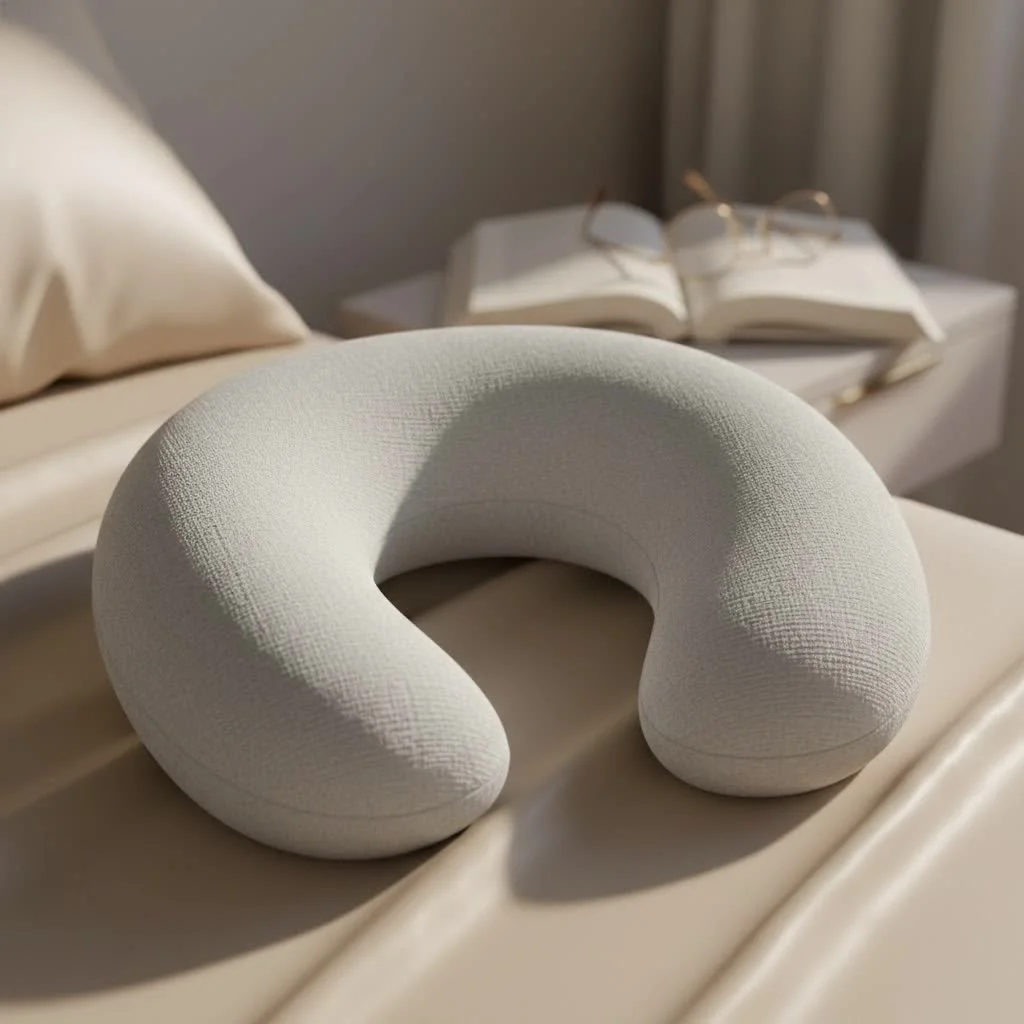
A neck pillow, often referred to as a cervical or orthopedic pillow, is specifically designed to support the natural curve of your cervical spine (neck) and keep your head aligned with your body while you sleep. Unlike standard pillows that may flatten or fail to provide adequate support, these specialized pillows aim to fill the gap between your head and shoulders, ensuring your neck muscles remain relaxed throughout the night. For expert neck pillows reviews on this site.
The market offers various types, each with unique features to address different sleeping needs and pain points. Their primary goal is to promote neutral spinal alignment, which is essential for reducing strain and preventing morning stiffness and discomfort.
Why a Specialized Pillow is Crucial for Neck Pain
Many people don’t realize that their neck pain often originates or worsens during sleep. When your pillow doesn’t properly support your head and neck, your muscles work overtime to maintain a healthy position, leading to constant tension. This ongoing strain can result in persistent morning stiffness, headaches, and even long-term spinal issues.
The right recommended pillow for neck pain actively counters these problems by:
- Promoting Proper Spinal Alignment: It keeps your ears in line with your shoulders and your chin parallel to your sternum, ensuring your neck and spine are naturally aligned. “A supportive pillow is important for maintaining proper spinal alignment and neck posture throughout the night,” notes Dr. Raj Dasgupta, Chief Medical Advisor at Sleepopolis.
- Reducing Muscle Strain: By providing consistent support, it allows your neck muscles to fully relax, alleviating the tension that causes pain.
- Improving Sleep Quality: When your neck is comfortable and supported, you’re less likely to toss and turn, leading to deeper, more restorative sleep.
- Targeting Specific Pain Points: Many pillows are designed with ergonomic contours to address issues like herniated discs, pinched nerves, or general stiffness.
If you frequently wake up with discomfort, choosing a pillow specifically engineered for neck pain can make a profound difference in easing symptoms and preventing further issues.
Popular Types of Neck Pillows for Pain Relief
When exploring pillows for neck pain, you’ll encounter several core types, each offering distinct advantages. Understanding these can help you narrow down your choices.
Contour/Cervical Pillows
|
Our Picks for the Best Neck Pillow in 2026
As an Amazon Associate I earn from qualifying purchases.
|
||
| Num | Product | Action |
|---|---|---|
| 1 | SAIREIDER Travel Pillows for Sleeping Airplane 100% Pure Memory Foam Neck Pillow for Airplanes Washable Cover with Storage Bag (Grey) |

|
| 2 | SAIREIDER Travel Pillow 100% Pure Memory Foam Travel Neck Pillow with Storage Bag, Airplane Pillow for Traveling、Car、Home、Office,Washable Cover(Black) |
|
| 3 | SAIREIDER Travel Pillow 100% Pure Memory Foam Travel Neck Pillow, Airplane Pillow for Traveling、Car、Home、Office,Washable Cover(Black) |
|
| 4 | Ultra Pain Relief Cooling Pillow for Neck Support, Adjustable Cervical Pillow Cozy Sleeping, Odorless Ergonomic Contour Memory Foam Pillows, Orthopedic Bed Pillow for Side Back Stomach Sleeper |
|
| 5 | Ultra Pain Relief Cooling Pillow for Neck Support, Adjustable Cervical Pillow Cozy Sleeping, Odorless Ergonomic Contour Memory Foam Pillows, Orthopedic Bed Pillow for Side Back Stomach Sleeper |
|
| 6 | Cervical Memory Foam Pillow – Ergonomic Neck Support for Side, Back & Stomach Sleepers - Odorless Beauty Sleep Pillow for Deep Rest (Light Grey, King Size 24.8" Lx16.9 Wx5.9 H) |
|
| 7 | SAIREIDER Neck Pillows for Travel-Head Neck Support Travel Pillow for Traveling, Car, Home, Office Adjustable(Navy Blue) |
|
| 8 | SAIREIDER Travel Pillows for Sleeping Airplane 100% Pure Memory Foam Neck Pillow for Airplanes Washable Cover(Grey) |
|
| 9 | SAIREIDER Travel Neck Pillow 100% Pure Memory Foam Airplane Pillow for Head Support,Soft Adjustable Pillow for Plane, Car & Home Recliner (Pink) |
|
| 10 | Ultra Pain Relief Cooling Pillow for Neck Support, Adjustable Cervical Pillow Cozy Sleeping, Odorless Ergonomic Contour Memory Foam Pillows, Orthopedic Bed Pillow for Side Back Stomach Sleeper |
|
These pillows are characterized by their ergonomic, wave-like shape, featuring a dip in the center for your head and raised edges or bolsters to cradle your neck. This design is specifically engineered to maintain the natural curvature of your cervical spine, providing targeted support.
- Pros: Excellent for promoting spinal alignment, effective for chronic neck pain sufferers, often made from supportive materials like memory foam or latex.
- Cons: Can feel rigid or unusual at first, may not suit all sleeping positions (especially stomach sleepers), specific shape can make pillowcase fitting difficult.
- Best for: Back and side sleepers who need consistent, targeted neck support to alleviate chronic pain or maintain healthy posture.
Memory Foam Pillows
Memory foam is a highly popular material for neck pain pillows due to its unique ability to mold to the contours of your head and neck in response to heat and pressure. This personalized support helps distribute weight evenly and reduce pressure points.
- Pros: Exceptional contouring and pressure relief, consistent support that adapts to your shape, good for isolating motion.
- Cons: Can sometimes retain heat (though cooling gel-infused options exist), may have an off-gassing smell initially, can feel dense or heavy.
- Best for: Back and side sleepers seeking customized, consistent support and pressure relief.
Latex Pillows
Made from natural or synthetic rubber, latex pillows are known for their resilience, responsiveness, and breathability. They offer a bouncier feel than memory foam, providing buoyant support that keeps your head elevated without sinking too much.
- Pros: Excellent support and durability, often naturally hypoallergenic and resistant to dust mites, generally cooler than traditional memory foam. “Latex pillows have excellent support, durability, and breathability,” states Dr. Raj Dasgupta.
- Cons: Can be more expensive, some may find the bouncy feel less appealing than the contouring of memory foam, can be heavy.
- Best for: All sleeping positions, especially those who sleep hot, suffer from allergies, or prefer a responsive, buoyant feel over deep contouring.
Adjustable Pillows
Adjustable pillows offer customizable loft and firmness by allowing you to add or remove filling. This versatility makes them an excellent choice for individuals who are unsure about their ideal pillow height or firmness, or for combination sleepers.
- Pros: Highly customizable to suit individual preferences and sleeping positions, can be adapted over time as needs change, versatile for all sleeper types.
- Cons: Requires some experimentation to find the “sweet spot,” can be messy to adjust the fill, some may find the process inconvenient.
- Best for: Combination sleepers, those new to specialized pillows, or anyone needing precise control over their pillow’s loft and firmness.
Pillow Comparison Chart
To help you visualize the differences, here’s a comparison of common pillow types often recommended for neck pain:
| Pillow Type | Material | Key Benefits | Ideal for | Pros | Cons |
|---|---|---|---|---|---|
| Contour/Cervical | Memory Foam, Latex | Targeted neck support, spinal alignment | Back & Side Sleepers | Excellent for chronic pain, consistent support | Can feel rigid, unique shape |
| Memory Foam | Polyurethane foam | Molds to body, pressure relief, consistent support | Back & Side Sleepers | Personalized contouring, reduces pressure | Can retain heat, dense |
| Latex | Natural/Synthetic Rubber | Responsive, breathable, durable, hypoallergenic | All Sleep Positions | Buoyant support, cool, long-lasting | More expensive, bouncy feel not for everyone |
| Adjustable | Shredded Foam, Microfiber | Customizable loft/firmness | All Sleep Positions | Highly versatile, adapts to changing needs | Requires self-adjustment, can be messy |
| Down/Down Alternative | Feather/Synthetic Fibers | Soft, moldable, luxurious | Stomach Sleepers (low loft) | Soft comfort, easily compressible | Less support, can flatten quickly |
How to Choose Your Recommended Pillow for Neck Pain
Selecting the right pillow for neck pain is a personal journey. Consider these factors to make an informed decision:
1. Identify Your Primary Sleeping Position
Your sleeping position is the most critical factor in determining the ideal pillow type, loft (height), and firmness.
- Side Sleepers: You need a firmer, thicker pillow (typically 4-6 inches high) to fill the gap between your ear and shoulder. This keeps your head, neck, and spine in a straight, neutral line. Look for options designed specifically for side sleepers, often with a higher loft.
- Back Sleepers: A medium-loft pillow (around 3-5 inches high) with medium firmness is often ideal. It should support the natural curve of your neck without pushing your head too far forward or letting it drop too low. Contoured memory foam or shaped latex pillows can be excellent choices.
- Stomach Sleepers: This position is generally not recommended for neck pain as it often requires turning your head to the side, twisting your spine. If you must sleep on your stomach, opt for a very soft, thin, low-loft pillow (under 3 inches) or even no pillow at all, to minimize neck strain. Prioritize shifting to side or back sleeping if possible.
- Combination Sleepers: An adjustable pillow that allows you to modify the fill, or a medium-firm pillow with good responsiveness (like latex), can adapt to multiple positions throughout the night.
2. Choose the Right Material
The pillow’s filling material significantly impacts its feel, support, and other properties.
- Memory Foam: Offers excellent contouring for personalized support. Choose solid blocks for firm support or shredded memory foam for a more breathable, adjustable feel.
- Latex: Provides responsive, buoyant support and is often cooler and more durable. It’s a great choice if you prefer a springier feel.
- Down/Down Alternative: Best for those who need a very soft, compressible pillow (like stomach sleepers) or prefer a traditional fluffy feel. However, ensure it offers enough support if you have significant neck pain.
- Polyfill (Synthetic Fiber): An affordable option, but typically less durable and supportive than memory foam or latex over time.
3. Determine Your Ideal Loft (Height) and Firmness
Loft and firmness work together to maintain neutral spinal alignment.
- Loft: Side sleepers generally need higher lofts, back sleepers medium lofts, and stomach sleepers very low lofts. Adjustable pillows are perfect if you’re unsure.
- Firmness: While personal preference plays a role, a medium to medium-firm pillow is often recommended for neck pain, as it offers the necessary support without being too hard or too soft. The right firmness will prevent your head from sinking too much or being propped up at an awkward angle.
4. Consider Additional Features
- Cooling Technology: If you tend to sleep hot, look for gel-infused memory foam, breathable latex, or covers made with cooling fabrics like bamboo or GlacioTex™.
- Hypoallergenic Properties: Latex and certain memory foams are naturally resistant to allergens like dust mites, which can be beneficial for allergy sufferers.
- Trial Periods and Warranties: Many reputable brands offer sleep trials (e.g., 30-100 nights) and warranties. These provide peace of mind, allowing you to test the pillow at home and ensure it’s the right fit for you.
Top 5 Recommended Pillows for Neck Pain
Based on expert recommendations and user reviews, these pillows are frequently cited as excellent choices for alleviating neck pain:
-
Tempur-Pedic TEMPUR-Neck Pillow:
- Description: A classic, molded memory foam pillow with an ergonomic, contoured shape designed to follow the natural curvature of the head and neck. It comes in various sizes to fit different body types.
- Pros: Exceptional firm support and pressure relief, durable proprietary TEMPUR material, helps maintain spinal alignment.
- Cons: Can be very firm, specific shape may not suit all, higher price point, generally not returnable once used (due to personal nature).
- Ideal for: Back and side sleepers seeking robust, consistent, and contoured support for chronic neck pain.
-
Coop Home Goods Original Adjustable Pillow:
- Description: This highly popular pillow features a shredded memory foam and microfiber blend fill that can be added or removed, allowing for customized loft and firmness.
- Pros: Extremely adjustable for personalized comfort, machine washable cover and pillow, suitable for all sleeping positions, comes with extra fill.
- Cons: Requires experimentation to find optimal fill level, may be perceived as “fluffy” rather than solid contour.
- Ideal for: Combination sleepers, those unsure of their preferred loft/firmness, and anyone who values customization.
-
Saatva Latex Pillow:
- Description: A luxury pillow featuring a blend of shredded Talalay latex and down-alternative fill, encased in an organic cotton cover. It offers responsive support and excellent breathability.
- Pros: Buoyant and responsive support, naturally breathable and cooling, hypoallergenic, durable, available in different lofts.
- Cons: Higher price point, some users report lumpiness over time.
- Ideal for: All sleeping positions, especially those who prefer a bouncier feel, sleep hot, or have allergies.
-
Eli & Elm Side Sleeper Pillow:
- Description: Specifically designed with a unique U-shape or crescent shape to accommodate the shoulders of side sleepers, reducing the gap between the neck and mattress. It often features adjustable latex or memory foam fill.
- Pros: Tailored support for side sleepers, promotes proper shoulder and neck alignment, often adjustable.
- Cons: Less versatile for other sleeping positions, specific shape might require custom pillowcases.
- Ideal for: Dedicated side sleepers seeking specialized support to prevent neck and shoulder pain.
-
Mkicesky Orthopedic Cervical Pillow:
- Description: A budget-friendly contoured memory foam pillow designed to support the neck’s natural curve. It often features an ergonomic shape with varying heights on either side.
- Pros: Affordable entry into orthopedic support, good contouring for neck alignment, often includes cooling features.
- Cons: Can be too firm for some, material quality may vary compared to premium brands, less durable.
- Ideal for: Back and side sleepers looking for an effective, budget-conscious contoured pillow to relieve neck pain.
Where to Purchase Your Neck Pillow
Finding your ideal neck pillow is easier than ever with various purchasing options:
- Specialty Sleep Stores: Retailers like Tempur-Pedic stores or dedicated sleep boutiques offer a hands-on experience, allowing you to test pillows and receive expert advice.
- Department Stores: Many larger department stores carry a selection of reputable pillow brands, often with bedding specialists to assist you.
- Online Retailers: Websites like Amazon, Sleepopolis, Forbes Vetted, Saatva, Coop Home Goods, and Helix websites provide a vast selection, detailed product information, customer reviews, and often generous trial periods and free shipping. Be sure to check return policies before purchasing online.
Care and Maintenance for Longevity
Proper care extends the life and effectiveness of your neck pillow, ensuring it continues to provide optimal support.
- Follow Manufacturer Instructions: Always check the care label specific to your pillow’s materials.
- Removable Covers: Many pillows have machine-washable outer covers. Wash these regularly (weekly or bi-weekly) in cold water with a mild detergent and tumble dry on low.
- Spot Cleaning: For non-washable pillow cores (like solid memory foam or latex), spot clean with a damp cloth and mild soap, then air dry thoroughly away from direct sunlight.
- Fluffing: Regularly fluff pillows with shredded fills (memory foam, down alternative) to maintain their loft and prevent clumping.
- Protectors: Use a pillow protector under your pillowcase to guard against dust mites, allergens, moisture, and stains.
- Replacement: Even the best pillows lose support over time. Most pillows should be replaced every 18-24 months, though high-quality latex pillows can last longer. Signs you need a new one include persistent flatness after fluffing, a musty smell, visible clumps, or a resurgence of neck pain.
Conclusion
Choosing the recommended pillow for neck pain can be a major upgrade for your sleep health and overall well-being. By understanding your sleeping position, exploring the various materials and types available, and considering key features like loft and firmness, you can find a pillow that truly supports your cervical spine and alleviates discomfort. investing in a quality pillow is an investment in your health, leading to more restful nights and pain-free mornings. Don’t settle for waking up sore—find the perfect pillow and reclaim the comfortable, restorative sleep you deserve.
Are you ready to finally wake up without neck pain?
Frequently Asked Questions
How does a pillow help neck pain?
A pillow helps neck pain by maintaining the neutral alignment of your cervical spine while you sleep. When your head and neck are properly supported, your neck muscles can relax, reducing strain and preventing stiffness and pain that can develop overnight.
What pillow material is best for neck pain?
Memory foam and latex are frequently recommended as the best pillow materials for neck pain. Memory foam offers contouring support, while latex provides responsive, buoyant support. Both materials are effective at promoting spinal alignment and reducing pressure points.
Should I use a firm or soft pillow for neck pain?
The ideal firmness depends on your sleeping position. Side sleepers typically benefit from a firmer pillow, back sleepers from a medium-firm pillow, and stomach sleepers (if they must use one) from a very soft, thin pillow. The goal is consistent support without pushing your head too high or letting it sag too low.
Can the wrong pillow cause neck pain?
Yes, absolutely. A pillow that is too flat, too thick, too soft, or too firm can force your neck into an unnatural position, causing muscles to strain, misaligning your spine, and leading to significant neck pain and stiffness.
How often should I replace my neck pillow?
Most pillows should be replaced every 18-24 months. However, high-quality latex pillows can last longer. You should consider replacing your pillow if it loses its shape, becomes lumpy, no longer provides adequate support, or if you consistently wake up with neck pain.
Are contour pillows good for neck pain?
Yes, contour or cervical pillows are specifically designed with an ergonomic shape to cradle the neck and support its natural curve, making them very good for alleviating neck pain by promoting optimal spinal alignment.
What is the ideal loft for a side sleeper with neck pain?
For side sleepers with neck pain, an ideal pillow loft is typically between 4 and 6 inches. This height helps to adequately fill the space between your head and shoulder, keeping your head and neck aligned with the rest of your spine.
Get our weekly buyer guide
Practical specs, not advice. Unsubscribe anytime.

I tried a new orthopedic pillow based on the recommendations for back sleepers. While it definitely helps with spinal alignment, I found it a bit too firm for my personal preference. It’s good for pain relief, but I sometimes miss the softer feel of my old pillow. I’m going to give it a bit more time to see if I adjust.
I was skeptical about how much a pillow could help, but my old one was definitely working against me. I focused on finding one that supported my side-sleeping position, and the alignment has improved a lot. My neck feels much better in the mornings. It took a few nights to get used to the new shape, but it was worth it.
I’ve been struggling with neck pain for years, and I finally decided to invest in a proper cervical pillow. This guide really helped me understand what to look for. I ended up getting one with memory foam, and it’s made such a difference. Waking up without that stiff ache is truly life-changing. Highly recommend doing your research and finding the right fit!
This guide was a lifesaver! I never realized how important the natural curve of my cervical spine was until I started experiencing constant discomfort. I chose a pillow specifically designed for that support, and my sleep quality has improved dramatically. No more tossing and turning trying to get comfortable. Best purchase for my well-being in a long time.