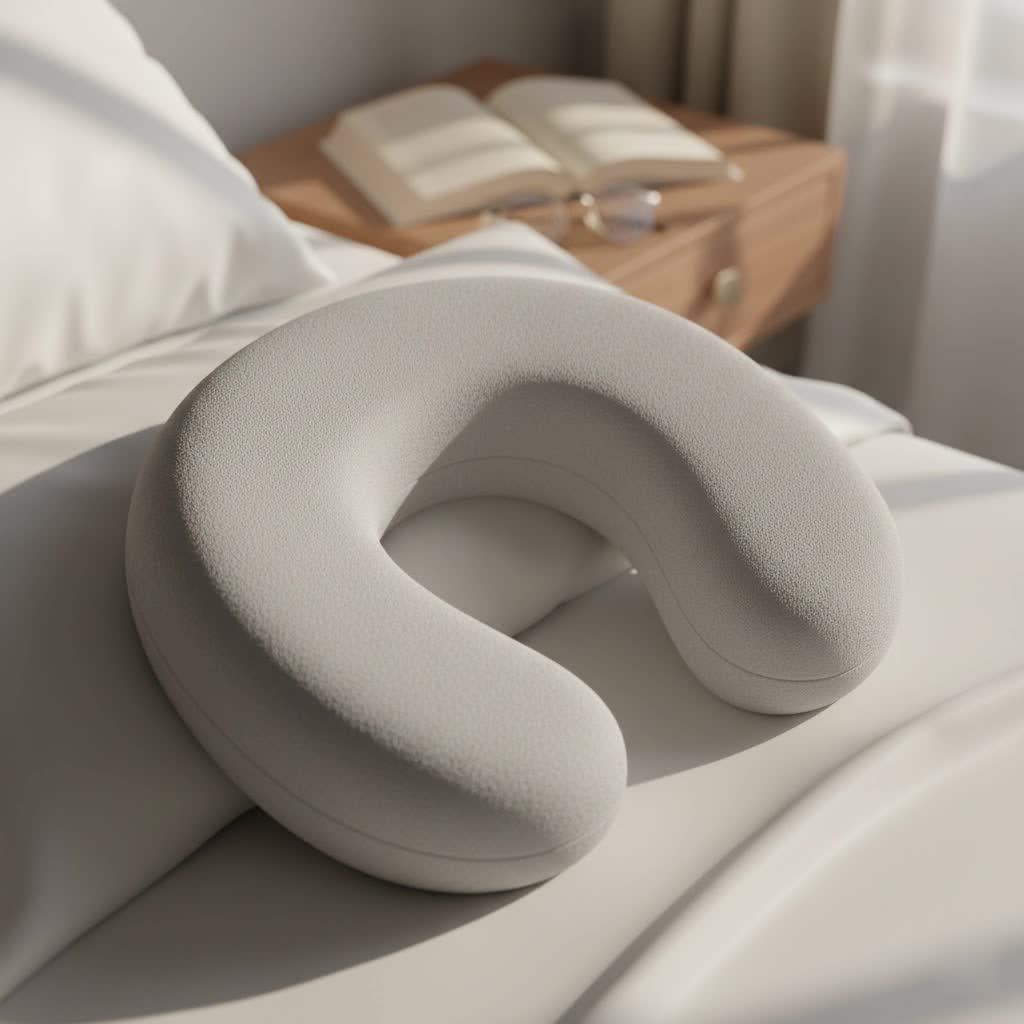
Waking up with a stiff neck or persistent shoulder pain can turn the promise of a refreshing night’s sleep into a daily struggle. If you’re a back sleeper, the culprit might be simpler than you think: your pillow. Finding the right neck pillow isn’t just about comfort; it’s about achieving optimal spinal alignment, alleviating pressure points, and unlocking truly restorative rest. This comprehensive guide will navigate you through the world of neck pillows, helping you understand their unique benefits and how to choose the ideal one to support your back-sleeping posture and transform your mornings.
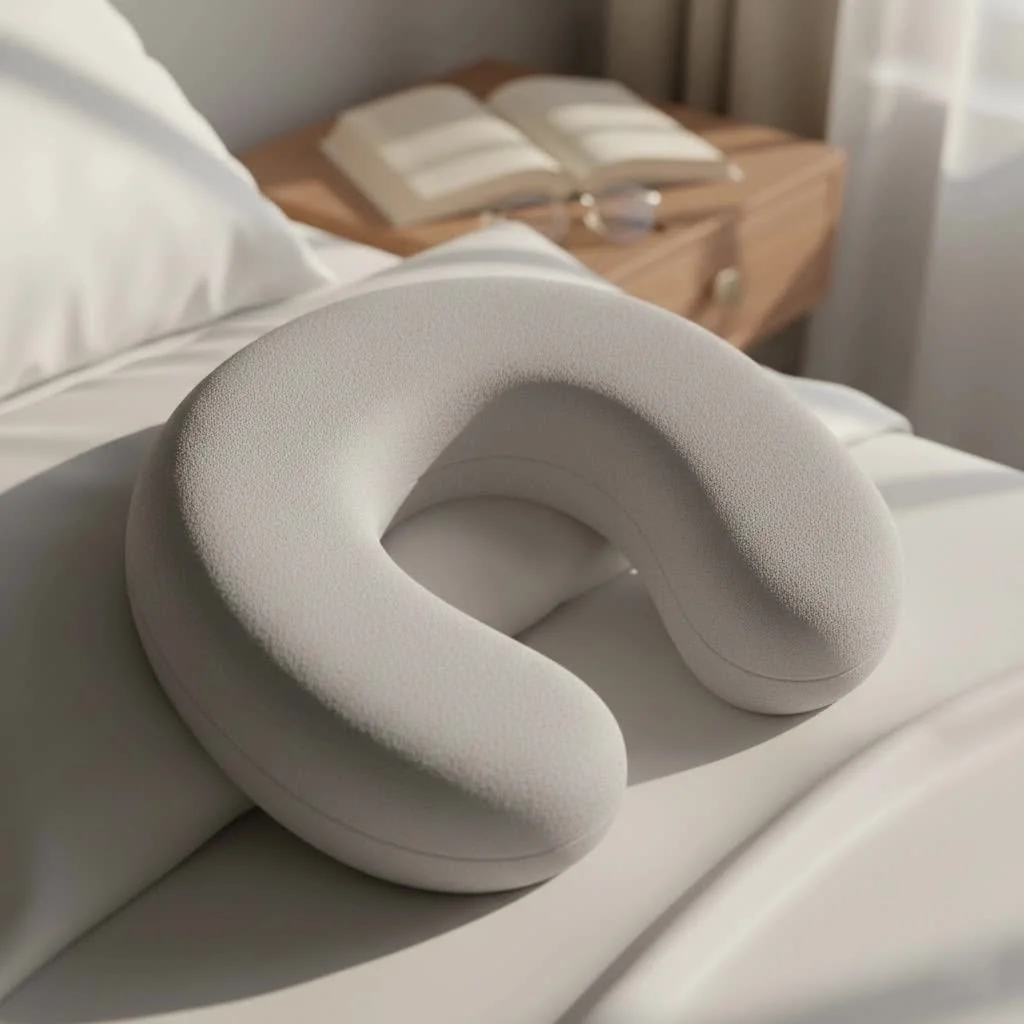
What is a Neck Pillow for Back Sleepers?
A neck pillow designed for back sleepers is a specialized cushion engineered to maintain the natural curvature of your cervical spine (neck) while you lie flat on your back. Unlike generic pillows that might be too thick, too flat, or lack adequate support, these pillows are crafted to fill the gap between your head and shoulders, ensuring your head doesn’t tilt too far back or push forward. Their primary purpose is to promote neutral spinal alignment, preventing strain and discomfort that often arise from an unsupported neck during sleep.
Why Do Back Sleepers Need a Specific Neck Pillow?
Sleeping on your back can be one of the healthiest positions for your spine, provided your head and neck are properly supported. Without the right pillow, your neck can be forced into an unnatural angle, leading to a cascade of problems. A pillow that’s too high will push your chin towards your chest, hyper-flexing your cervical spine. Conversely, a pillow that’s too low allows your head to tilt backward, straining the neck muscles. Both scenarios disrupt spinal alignment, causing pain, stiffness, and potentially long-term issues.
A specialized neck pillow for back sleepers addresses these concerns by:
- Maintaining Spinal Alignment: It cradles your head and supports the natural curve of your neck, aligning it with the rest of your spine. This neutral position is crucial for reducing muscle tension and pressure.
- Alleviating Neck and Shoulder Pain: By providing consistent support, these pillows can significantly reduce or eliminate morning aches in the neck, shoulders, and even the upper back.
- Improving Sleep Quality: When your body is properly aligned, you experience less discomfort, leading to fewer awakenings and a deeper, more restorative sleep cycle.
- Preventing Headaches: Neck misalignment can contribute to tension headaches, which a supportive pillow can help mitigate.
- Promoting Better Posture: Consistent support during sleep can reinforce healthy posture throughout the day.
“The key is to find a pillow that will maintain your neck in a neutral position. Meaning, in line with your spine and not overly flexed in any direction.” – Nicholas Anastasio, MD, Board-Certified Physician
Key Factors When Choosing a Neck Pillow for Back Sleepers
Selecting the perfect neck pillow involves understanding several critical factors that impact comfort and support for back sleepers.
Loft (Height)
|
Our Picks for the Best Neck Pillow in 2026
As an Amazon Associate I earn from qualifying purchases.
|
||
| Num | Product | Action |
|---|---|---|
| 1 | SAIREIDER Travel Pillows for Sleeping Airplane 100% Pure Memory Foam Neck Pillow for Airplanes Washable Cover with Storage Bag (Grey) |

|
| 2 | Cervical Memory Foam Pillow – Ergonomic Neck Support for Side, Back & Stomach Sleepers - Odorless Beauty Sleep Pillow for Deep Rest (Light Grey, King Size 24.8" Lx16.9 Wx5.9 H) |
|
| 3 | SAIREIDER Travel Pillows for Sleeping Airplane 100% Pure Memory Foam Neck Pillow for Airplanes Washable Cover(Grey) |
|
| 4 | Ultra Pain Relief Cooling Pillow for Neck Support, Adjustable Cervical Pillow Cozy Sleeping, Odorless Ergonomic Contour Memory Foam Pillows, Orthopedic Bed Pillow for Side Back Stomach Sleeper |
|
| 5 | SAIREIDER Travel Neck Pillow 100% Pure Memory Foam Airplane Pillow for Head Support,Soft Adjustable Pillow for Plane, Car & Home Recliner (Pink) |
|
| 6 | SAIREIDER Travel Pillow 100% Pure Memory Foam Travel Neck Pillow with Storage Bag, Airplane Pillow for Traveling、Car、Home、Office,Washable Cover(Black) |
|
| 7 | SAIREIDER Neck Pillows for Travel-Head Neck Support Travel Pillow for Traveling, Car, Home, Office Adjustable(Navy Blue) |
|
| 8 | Ultra Pain Relief Cooling Pillow for Neck Support, Adjustable Cervical Pillow Cozy Sleeping, Odorless Ergonomic Contour Memory Foam Pillows, Orthopedic Bed Pillow for Side Back Stomach Sleeper |
|
| 9 | Ultra Pain Relief Cooling Pillow for Neck Support, Adjustable Cervical Pillow Cozy Sleeping, Odorless Ergonomic Contour Memory Foam Pillows, Orthopedic Bed Pillow for Side Back Stomach Sleeper |
|
| 10 | SAIREIDER Travel Pillow 100% Pure Memory Foam Travel Neck Pillow, Airplane Pillow for Traveling、Car、Home、Office,Washable Cover(Black) |
|
Loft refers to the pillow’s height or thickness. For back sleepers, a medium loft, typically between 3 to 5 inches, is generally recommended. This height is sufficient to fill the space between your neck and the mattress without pushing your head too far up or letting it sink too low.
- Too High: A pillow with too much loft can push your head forward, straining your neck and potentially causing a “forward head posture.”
- Too Low: A pillow that’s too flat won’t provide adequate support, allowing your head to tilt backward and hyperextend your neck.
Firmness
The firmness of a pillow determines how much your head sinks into it. A medium-firm feel is often ideal for back sleepers. It provides enough resistance to support your head and neck effectively while still allowing for a slight, comfortable sinkage.
- Too Soft: A pillow that’s too soft will lose its shape and allow your head to sink too deeply, compromising spinal alignment.
- Too Firm: An overly firm pillow might feel like sleeping on a brick, preventing proper contouring and creating pressure points.
Material
The material of your neck pillow plays a significant role in its feel, support, and durability.
- Memory Foam: Known for its excellent contouring abilities, memory foam molds to the shape of your head and neck, providing personalized pressure relief and consistent support. It slowly adapts to your curves, reducing strain.
- Latex: Latex pillows are responsive and durable, offering a buoyant yet supportive feel. They quickly rebound their shape and are naturally hypoallergenic and resistant to dust mites. Talalay latex is often praised for its soft, airy feel, while Dunlop latex is denser.
- Adjustable Fill (Shredded Foam, Down Alternative, Kapok): These pillows allow you to add or remove fill to customize the loft and firmness to your exact preference. Shredded memory foam, down-like microfiber, or natural kapok fibers offer versatility, making them suitable for various body types and sleep positions.
- Down/Down Alternative: While traditional down pillows can be very soft, they may not offer enough firm support for back sleepers unless specifically designed with a firmer core or chamber construction. Down alternatives mimic the softness of down while often being hypoallergenic and more affordable.
- Water Pillows: These pillows use a water pouch to provide adjustable firmness and adaptive support, contouring to head movements.
Design
Beyond traditional rectangular shapes, specific designs cater to back sleepers:
- Contoured/Cervical Pillows: These often feature a wave-like or butterfly shape with a raised area for the neck and a slightly lower dip for the head. This ergonomic design is excellent for maintaining the natural cervical curve.
- Adjustable Pillows: Many pillows designed for back sleepers feature removable layers or shredded fill, allowing you to fine-tune the height and density to your comfort.
- Wedge Pillows: While primarily used for elevation to address issues like acid reflux or snoring, some wedge pillows are designed to provide gradual support for the head and neck in a reclined back-sleeping position. However, ensure the primary focus is on neck alignment rather than just elevation.
Cooling Properties
If you tend to sleep hot, consider pillows with cooling features:
- Breathable Materials: Covers made from bamboo, Tencel, or cotton can enhance airflow.
- Gel Infusions: Memory foam pillows often come infused with cooling gel or have an open-cell structure to dissipate heat.
- Perforated Foam: Holes in the foam allow for greater air circulation, preventing heat buildup.
Popular Types of Neck Pillows for Back Sleepers
Let’s delve deeper into some of the most effective neck pillow types for those who sleep on their backs.
Contoured Memory Foam Pillows
These pillows are specifically shaped to provide ergonomic support. They typically have a higher ridge that supports the neck’s natural curve and a lower indentation to cradle the head. The memory foam gently conforms to your unique shape, offering excellent pressure relief and ensuring your cervical spine remains aligned. They are particularly beneficial for individuals experiencing neck pain or stiffness, as they help hold the neck in a corrective, therapeutic position throughout the night.
Adjustable Shredded Foam or Latex Pillows
The ability to customize your pillow’s loft and firmness is a game-changer for back sleepers. Pillows filled with shredded memory foam, latex, or a blend of fibers allow you to add or remove material until you achieve your ideal support level. This versatility is perfect for those who aren’t sure of their exact preference or whose needs might change over time. It allows for a truly personalized sleep experience, ensuring your head and neck are perfectly aligned.
Responsive Latex Pillows
Latex pillows offer a unique combination of softness and responsiveness. They provide excellent support without the “sinking in” feeling often associated with traditional memory foam. Their natural elasticity ensures that they cradle your neck while quickly adapting to any minor movements, maintaining consistent support. Natural latex is also known for its durability, breathability, and hypoallergenic properties, making it a great choice for sensitive sleepers.
How to Test if a Pillow is Right for You
Choosing a pillow can feel overwhelming, but a few simple tests can help confirm your selection:
- Lie Down: When trying a new pillow, lie on your back in your typical sleeping position.
- Check Chin Position: Your chin should point slightly downward towards your chest, or be parallel with the mattress – not angled sharply upwards or tucked too far down. This indicates a neutral spine.
- Assess Neck Strain: You shouldn’t feel any strain in your neck muscles. Instead, your head should feel gently supported and relaxed.
- Spinal Alignment: Ideally, someone else should observe you from the side to ensure your head, neck, and spine form a relatively straight line.
- Trial Periods: Many reputable brands offer sleep trials, allowing you to test the pillow at home for a period (e.g., 30-100 nights). This is invaluable for ensuring long-term comfort and compatibility. Always check the return policy before purchasing.
Top Neck Pillows for Back Sleepers Today
The market offers a diverse range of neck pillows tailored for back sleepers, each with unique features. Here are common characteristics of highly-rated options:
- Adjustable Support Pillows: Many top choices allow you to customize the fill, whether it’s shredded memory foam or a blend of other materials. This adaptability ensures that you can achieve the precise loft and firmness needed for your specific body type and sleeping posture. These often excel in providing both comfort and therapeutic benefits.
- Contoured Memory Foam for Pain Relief: Pillows with an ergonomic, contoured shape are frequently recommended for back sleepers, especially those with neck pain. They are designed to fit the natural curve of the neck, providing targeted support and maintaining spinal alignment throughout the night. Look for options with different height variations to accommodate individual preferences.
- Cooling Latex Pillows: For those who tend to sleep warm, pillows made with natural latex or infused with cooling technologies are highly sought after. Latex offers responsive support and is naturally breathable. When combined with a breathable cover or gel infusions, these pillows provide a cool and comfortable sleep surface while maintaining crucial neck support.
- Hybrid Pillows: Some innovative pillows combine different materials, such as memory foam layers with a supportive core or adjustable blends. These hybrid designs aim to offer the best of both worlds – the contouring comfort of foam with the responsiveness of other materials, catering to a broad range of back sleepers.
When considering a new pillow, looking for customer reviews and expert insights can provide valuable guidance. Prioritize those that emphasize maintaining neutral spinal alignment, offer customizable comfort, and address specific concerns like cooling or pain relief.
Where to Buy Neck Pillows
Finding the right neck pillow is easier than ever with various shopping options:
- Online Retailers: Websites specializing in bedding and sleep products, as well as large e-commerce platforms, offer a vast selection. Look for detailed product descriptions, customer reviews, and clear return policies.
- Specialty Sleep Stores: These stores often have knowledgeable staff who can guide you through different options and allow you to test pillows in person.
- Department Stores: Many larger department stores carry a range of pillows from various brands, offering a good opportunity for comparison.
When buying online, pay close attention to certifications (like CertiPUR-US for foams), trial periods, and warranty information to ensure you’re investing in a quality product.
How to Clean and Maintain Your Neck Pillow
Proper care extends the life of your neck pillow and maintains its hygienic integrity. Always check the manufacturer’s specific care instructions, as materials vary widely.
- Removable Covers: Most neck pillows come with a removable, machine-washable cover. Wash this regularly according to the label’s instructions, typically in cold water on a gentle cycle and tumble dry low.
- Memory Foam/Latex Cores: These materials are generally not machine washable. Spot clean any spills or stains with a mild detergent and water, then air dry thoroughly away from direct sunlight. Excessive moisture can damage the foam or latex.
- Shredded/Adjustable Fill: If your pillow has removable fill, the outer casing may be washable. Some shredded fills can be machine washed if specified by the manufacturer, but often it’s best to air them out or tumble dry on a no-heat setting to fluff them.
- Regular Airing: Air out your pillow periodically to keep it fresh and reduce moisture buildup.
- Pillow Protectors: Using a high-quality pillow protector can shield your pillow from dust mites, allergens, and spills, making it easier to maintain cleanliness.
Conclusion
Choosing the right neck pillow is a vital step towards achieving consistent, restful sleep and alleviating discomfort for back sleepers. By focusing on essential factors like appropriate loft, medium-firm support, and materials that contour to your unique shape, you can ensure your head and neck remain in perfect alignment throughout the night. Whether you opt for a contoured memory foam, a responsive latex, or a customizable adjustable pillow, prioritizing spinal health will undoubtedly lead to improved sleep quality and more refreshed mornings. Don’t let the wrong pillow compromise your well-being any longer; invest in a solution tailored for back sleepers and embrace the transformative power of truly supportive sleep.
What kind of difference could the right neck pillow make for your sleep and overall health?
Frequently Asked Questions
What is the ideal pillow height for a back sleeper?
For back sleepers, an ideal pillow height, or loft, is typically medium, ranging from 3 to 5 inches. This height ensures that your head is cradled just enough to maintain the natural curve of your neck, aligning it with your spine without tilting it too far forward or backward.
Can a regular pillow work for back sleepers?
While some regular pillows might offer temporary comfort, most are not specifically designed to provide the targeted support needed for back sleepers. They often lack the specific loft and firmness required to maintain proper spinal alignment, which can lead to neck pain and discomfort over time.
Which pillow material is best for back sleepers with neck pain?
Memory foam and latex are often recommended for back sleepers with neck pain. Memory foam contours precisely to the neck and head, offering excellent pressure relief, while latex provides responsive, durable support. Both materials help maintain neutral spinal alignment, which is crucial for pain relief.
How do I know if my pillow is too firm or too soft for back sleeping?
If your pillow is too firm, your head will feel pushed up, creating a gap between your neck and the pillow. If it’s too soft, your head will sink too much, causing your neck to hyperextend. The right pillow will allow your head to gently sink while keeping your neck aligned with your spine.
How often should I replace my neck pillow?
The lifespan of a neck pillow depends on its material and quality, but generally, it’s recommended to replace pillows every 1 to 3 years. Memory foam and latex pillows tend to last longer, up to 3-5 years, but if you notice a permanent sag, lumps, or increased neck pain, it’s time for a replacement.
Are contoured pillows only for people with neck pain?
No, contoured pillows are beneficial for any back sleeper seeking optimal spinal alignment and comfort, not just those with existing neck pain. Their ergonomic design helps maintain the natural curve of the cervical spine, acting as a preventative measure against future discomfort and promoting healthier sleep posture for everyone.
Can a neck pillow help with snoring for back sleepers?
A properly supportive neck pillow can sometimes help reduce snoring for back sleepers by maintaining an open airway. By ensuring the head and neck are in neutral alignment, it can prevent the soft tissues in the throat from collapsing, which is a common cause of snoring.
Get our weekly buyer guide
Practical specs, not advice. Unsubscribe anytime.
